About Porcelain Berry
Porcelain Berry (Ampelopsis brevipedunculata)
Amur Peppervine, Porcelain Ampelopsis
INVASIVE in Tennessee · listed on the Tennessee Exotic Pest Plant Council (TN-EPPC) invasive species list. Native alternative: Virginia creeper (Parthenocissus quinquefolia) for fall color; peppervine (Ampelopsis arborea) for similar fruiting habit.
Full sun to part shade, medium to well-drained soil, tolerates clay and disturbed soils, pH 5.0-7.5.
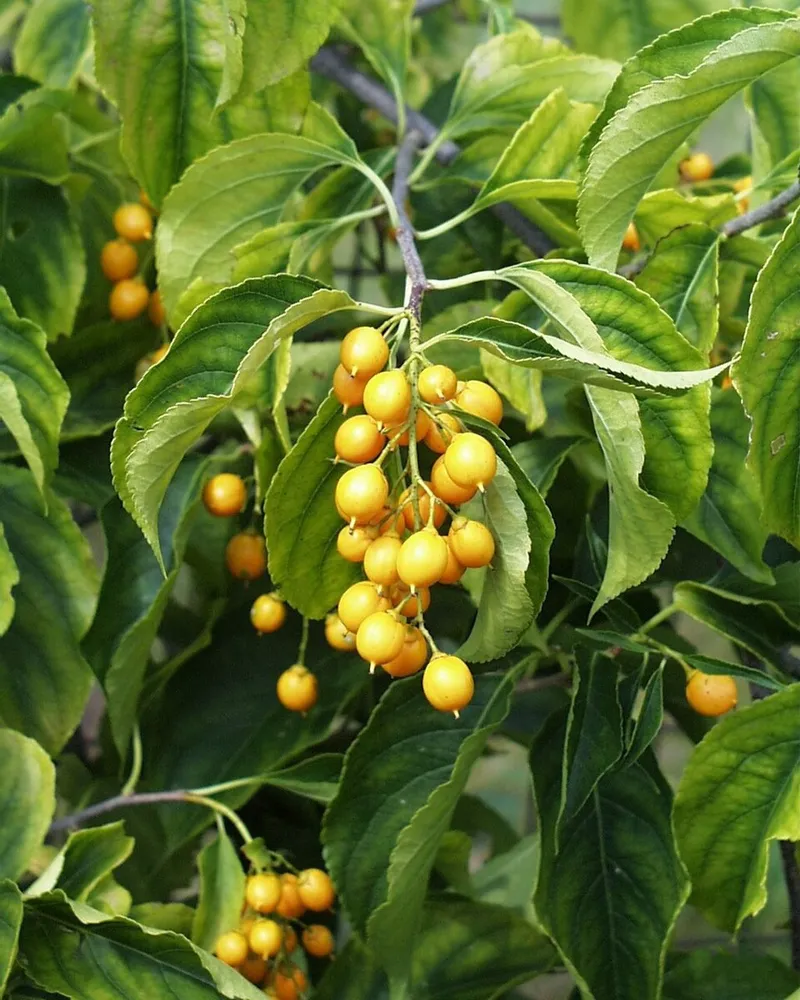
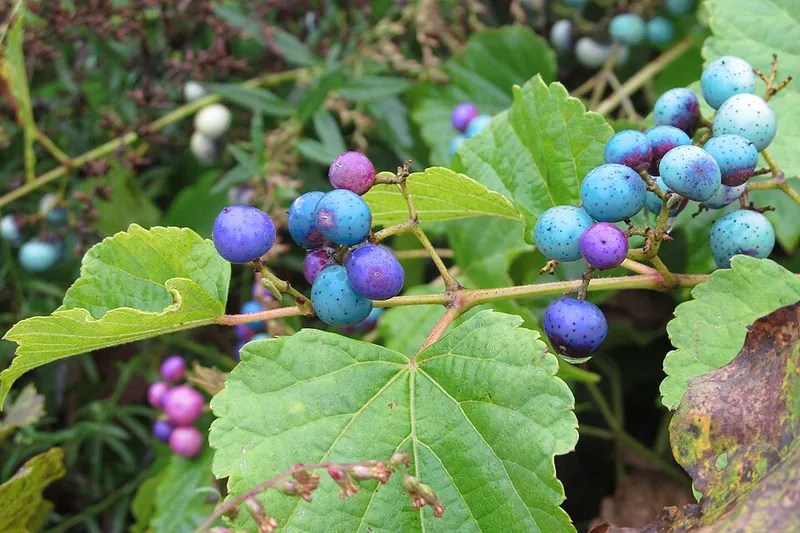
Deciduous woody vine climbing 15-25 feet by tendrils; leaves variable, 3-5 lobed, resembling grape leaves; berries ripen through white, lilac, turquoise, and dark purple simultaneously in August-October; spreads prolifically by bird-dispersed seed.
Native region: Not native to Tennessee; introduced from northeastern Asia (China, Japan, Korea, Russian Far East), now naturalized along forest edges, roadsides, and disturbed areas throughout Middle Tennessee.
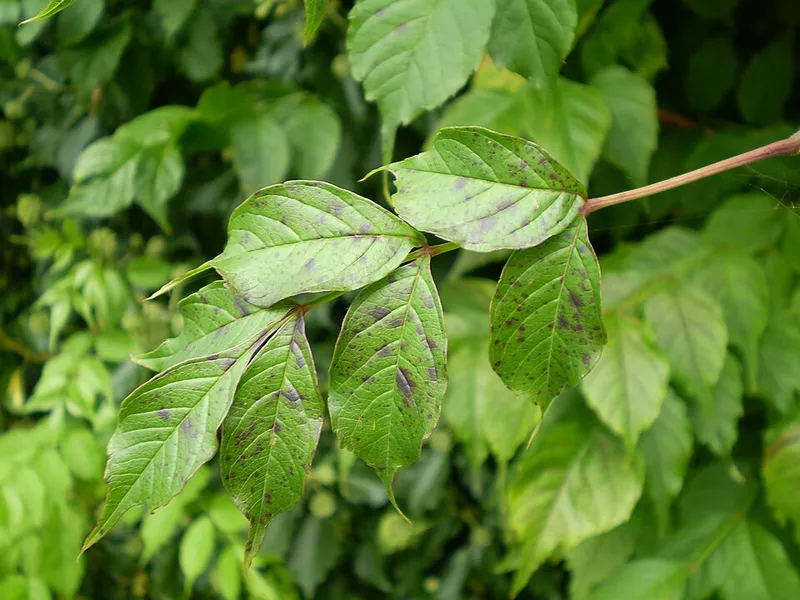
Porcelain berry is sold as an ornamental for its multicolored fruit display, but the prolific bird-dispersed seedbank makes it difficult to contain once established. In Middle Tennessee it invades forest edges along the I-65 corridor and has naturalized in disturbed riparian areas. The colorful berries are visually arresting but functionally inferior to native fruiting vines as wildlife food, the nutritional content is lower than native alternatives. Distinguish from native peppervine (Ampelopsis arborea) by the simple (not bipinnate) leaf and from native grapes by the non-shredding bark and hairless stems. Do not plant. Remove by cutting stems at the base and treating immediately with concentrated glyphosate to prevent resprouting from the root system.
Quick Facts
- Common Name
- Porcelain Berry
- Scientific Name
- Ampelopsis brevipedunculata
- Plant Type
- Vine
- Region
- Middle Tennessee