About Virginia Creeper
Virginia Creeper (Parthenocissus quinquefolia)
Woodbine, Five-leaved Ivy
Full sun to full shade, moderately dry to medium moisture, tolerates clay, rocky, and sandy soils, pH 5.0-7.5.
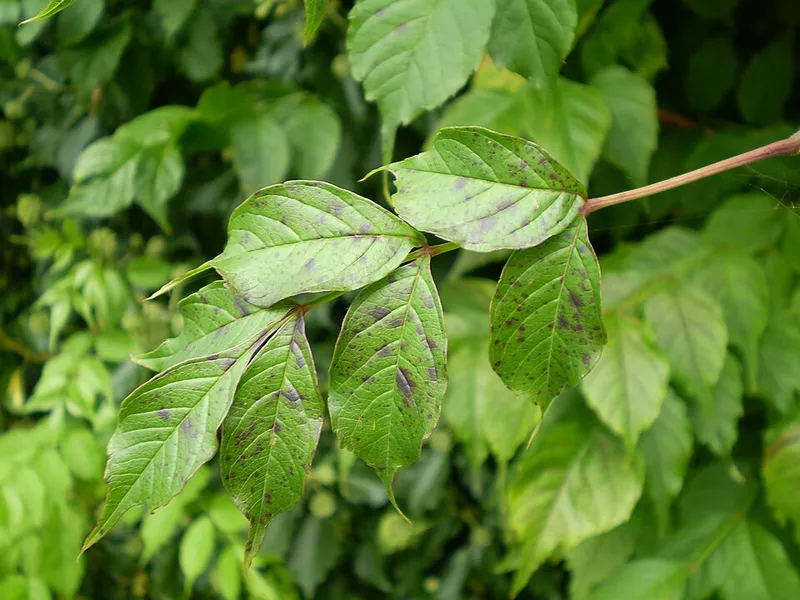
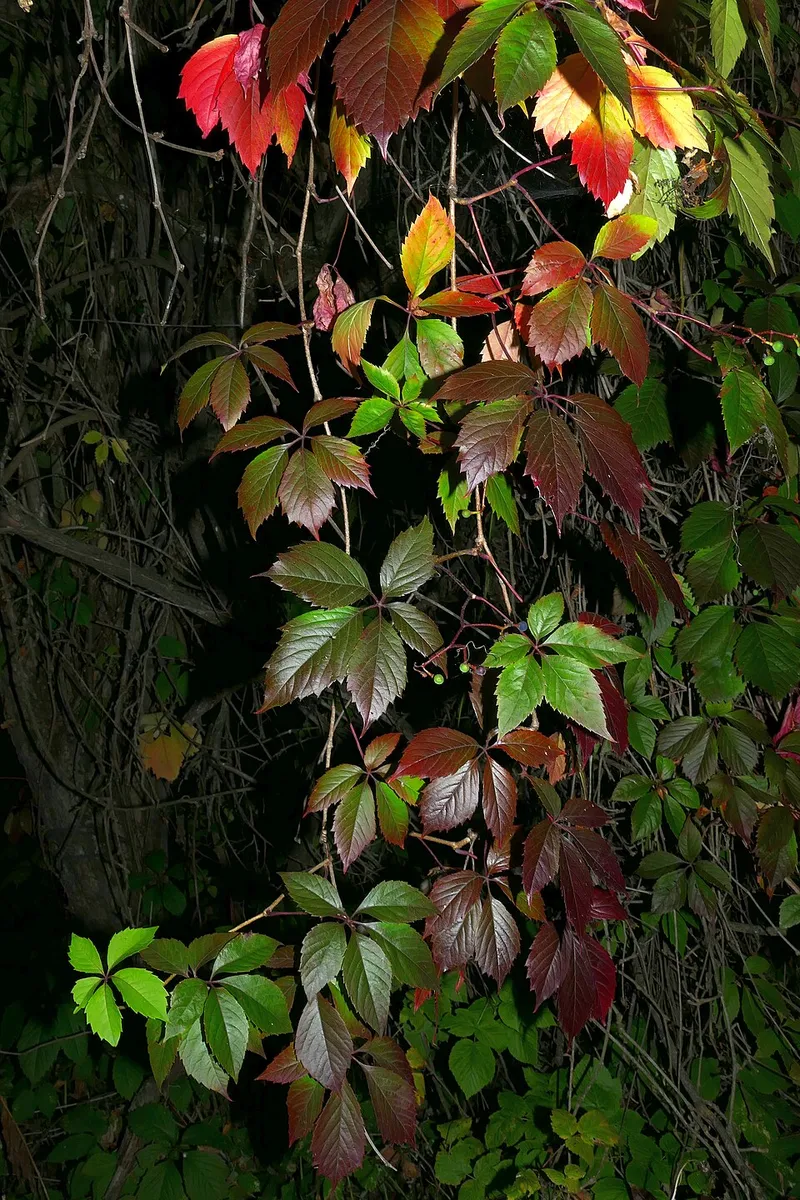
Vigorous deciduous vine climbing 30-50 feet by adhesive disk-tipped tendrils; compound leaves with 5 leaflets (rarely 3-7), turning brilliant crimson-scarlet in fall; small blue-black berries in September-October, toxic to humans but important wildlife food; spreads by birds and root suckering.
Germination Code: C(60), cold stratification 60 days. Division or hardwood cuttings are more reliable than seed.
Native region: Statewide in Tennessee, extremely common in forest edges, fence rows, roadsides, and disturbed areas throughout Middle Tennessee.
Virginia creeper is among the most adaptable native vines in Middle Tennessee, it establishes in full shade under tree canopies, tolerates the clay and compacted soils common along the I-65 corridor, and requires no supplemental irrigation once established. The adhesive disk tendrils attach firmly to masonry and wood but are easier to remove than true aerial rootlets; the vine does not penetrate mortar to the same degree as English ivy. It is a primary winter food source for mockingbirds (Mimus polyglottos), bluebirds (Sialia sialis), and cedar waxwings (Bombycilla cedrorum). Some individuals develop skin irritation from the oxalate crystals in the sap, similar in mechanism to poison ivy but far less severe. Confused with poison ivy (Toxicodendron radicans) by homeowners; reliably distinguished by five leaflets versus poison ivy's three.
Quick Facts
- Common Name
- Virginia Creeper
- Scientific Name
- Parthenocissus quinquefolia
- Plant Type
- Vine
- Region
- Middle Tennessee