About Peppervine
Peppervine (Ampelopsis arborea)
Pepper Vine, Hollygrape
Full sun to part shade, medium to moist soil, tolerates clay and periodically wet soils, pH 5.0-7.0.
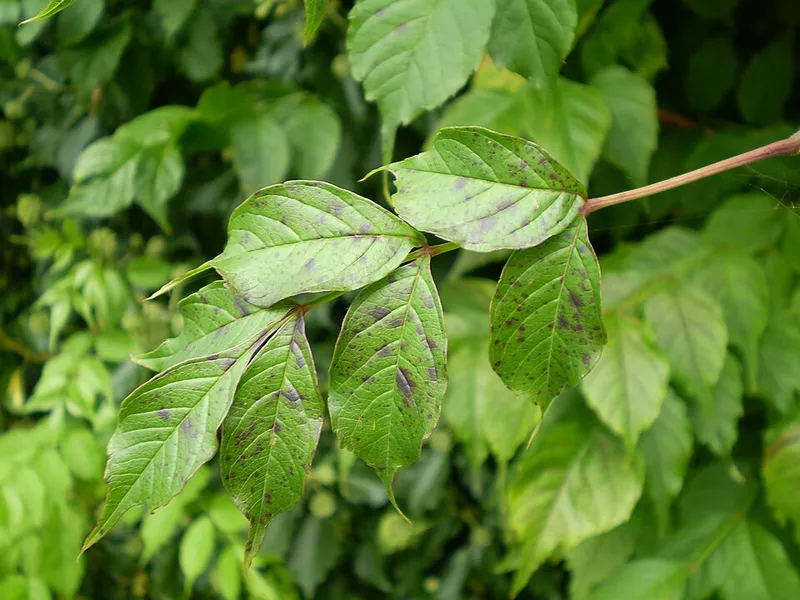
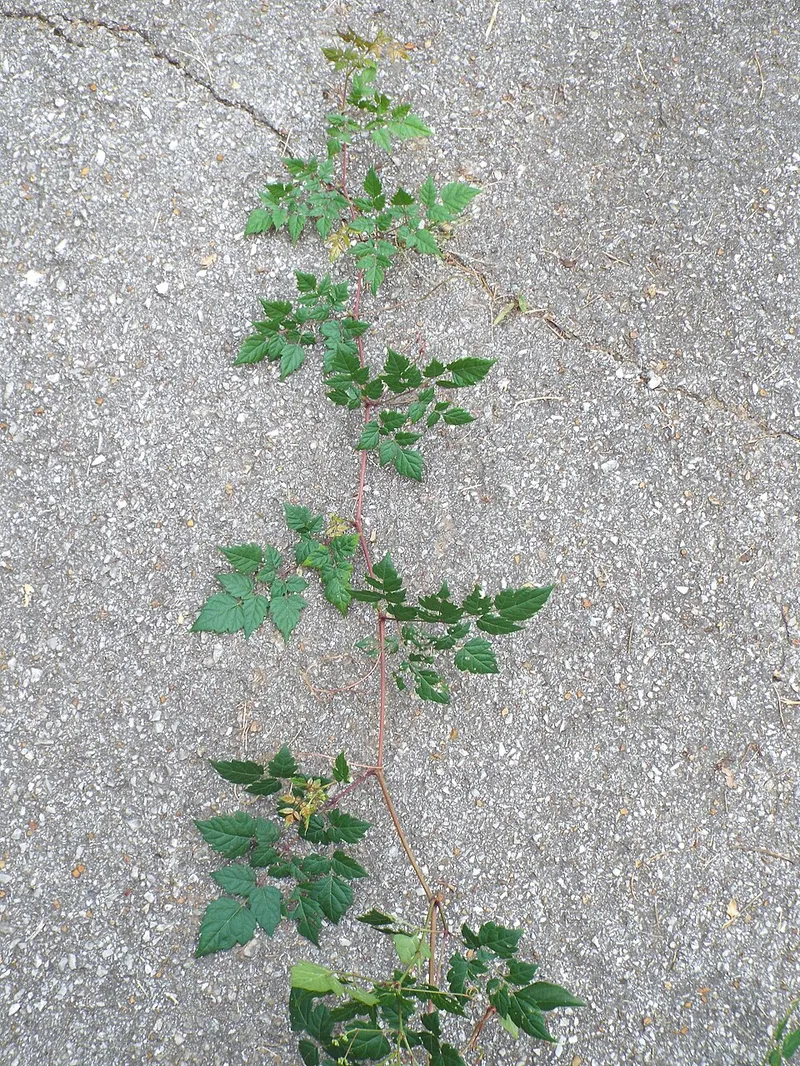
Deciduous woody vine climbing 10-20 feet by non-adhesive tendrils; bipinnately compound leaves (unusual among vines in this region); inconspicuous greenish flowers in June-August; small berries ripening through white, pink, lavender, and black in August-October; spreads by bird-dispersed seed and root sprouting.
Native region: Middle and West Tennessee, primarily in moist bottomland forests, stream margins, and floodplain edges; less common in East Tennessee.
Peppervine is a native species more often encountered as a volunteer in disturbed areas and woodland margins than as a deliberate planting in Middle Tennessee. The bipinnate compound leaves distinguish it immediately from the superficially similar porcelain berry (Ampelopsis brevipedunculata), which is invasive, the two are frequently confused at the seedling stage. Peppervine's multi-colored immature fruit clusters are visually striking in fall and provide late-season food for migratory and resident birds. The vine is not widely available in the nursery trade; most plants in the landscape are naturally seeded. It tolerates the heavy clay and seasonal flooding common in low-lying areas along the Duck River bottomlands near Columbia. Rarely requires management unless spreading into a formal landscape area.
Quick Facts
- Common Name
- Peppervine
- Scientific Name
- Ampelopsis arborea
- Plant Type
- Vine
- Region
- Middle Tennessee