Eliminate crabgrass, dandelions, clover, and other invasive weeds with our professional pre-emergent and post-emergent weed control treatments designed specifically for Middle Tennessee lawns.
Weeds are the most visible and frustrating problem facing Middle Tennessee homeowners. From the first crabgrass shoots in spring to the persistent henbit and chickweed that invade during winter, the I-65 corridor's climate provides year-round growing conditions for dozens of weed species. Everyone with a sunny yard is fighting common Bermuda, which spreads from pieces of itself. Mr. Lawn Care's professional weed control service combines pre-emergent barriers with targeted post-emergent spot treatments to keep your lawn clean and weed-free throughout every season.
Pre-emergent weed control is the foundation of any effective weed management program. Applied in early spring before soil temperatures reach 55°F, pre-emergent herbicides create an invisible barrier in the top layer of soil that prevents weed seeds from germinating. In Middle Tennessee, timing this application correctly is critical — apply too early and the barrier breaks down before crabgrass season peaks; apply too late and weeds have already established. Our UT Certified team monitors local soil temperatures to ensure perfect timing every year.
Post-emergent treatments target weeds that have already broken through or established in your lawn. We use selective herbicides that eliminate broadleaf weeds like dandelions, clover, plantain, and wild violets without harming your fescue grass. For tougher invaders like nutsedge and dallisgrass, we apply specialized products that require professional application rates and techniques.
Calibration and temperature windows matter more than most homeowners realize. When you see stripes of dead grass the width of an applicator tire, or yellowed fescue around a nutsedge spot treated in July heat, that's phytotoxicity — damage caused by the wrong product applied at the wrong rate or temperature. I take new customers who were burned by another company. See real examples at our [herbicide damage](/abiotic-disorders/herbicide-damage/) page for what to look for and how the lawn can recover.
Why This Matters in Middle Tennessee
Middle Tennessee's transition zone climate means your fescue lawn competes with both cool-season and warm-season weeds. Crabgrass, goosegrass, and nutsedge thrive in our hot summers, while henbit, chickweed, and annual bluegrass invade during mild winters. The heavy clay soils throughout Maury and Williamson counties also create thin spots where weeds establish quickly. Our weed control program addresses this full spectrum of weed pressure with seasonally appropriate treatments.
Everyone in a sunny Middle Tennessee yard is fighting common Bermuda — it spreads from pieces of itself, not seed, arriving on mower decks and blowing in from neighbors. Six of our eight annual services include Bermuda suppression products specifically because it never stops coming.
pre-emergent applications per year — spring and fall
0°F
soil temp triggers crabgrass germination — we track it
Real Middle Tennessee Results
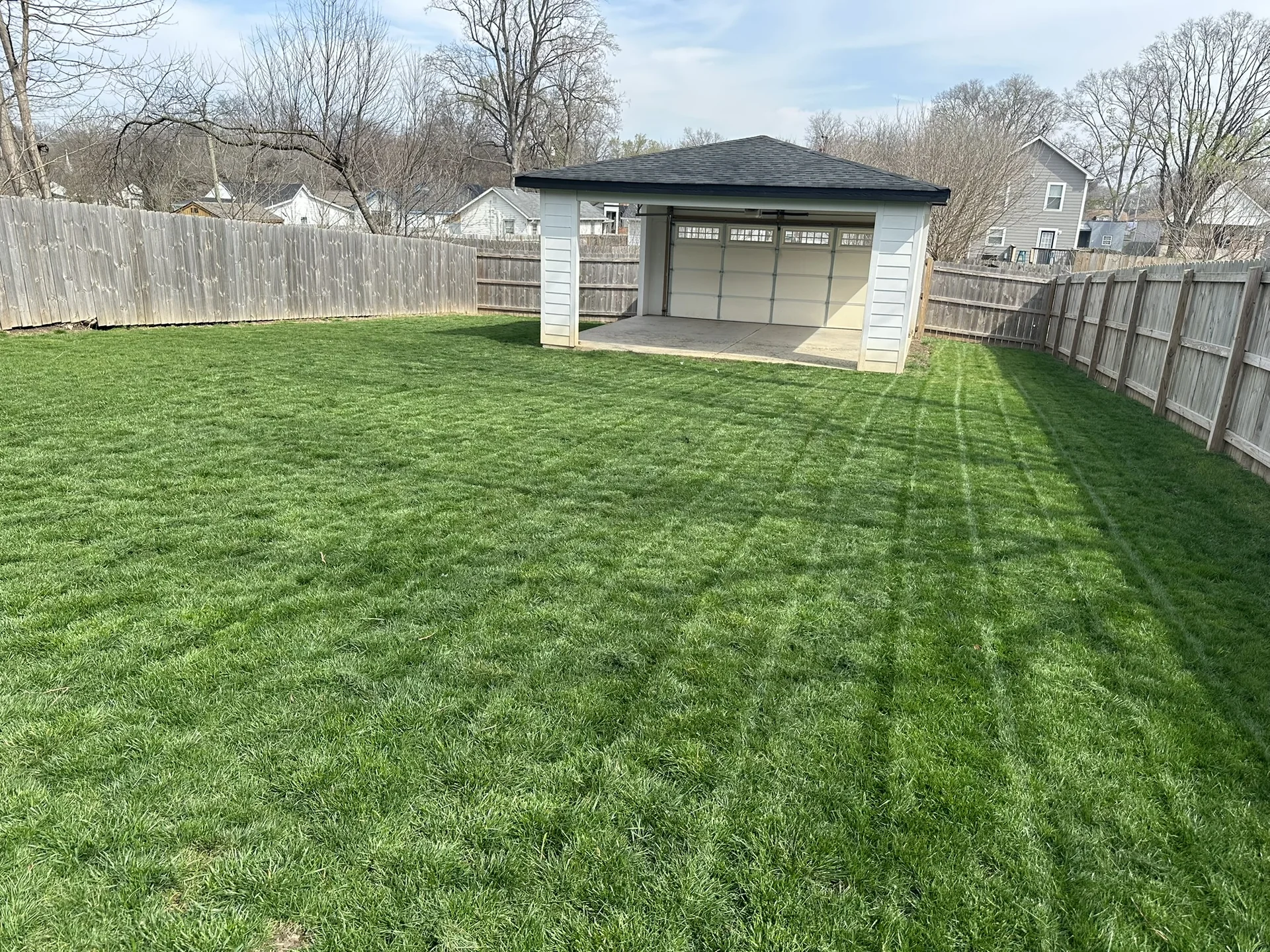
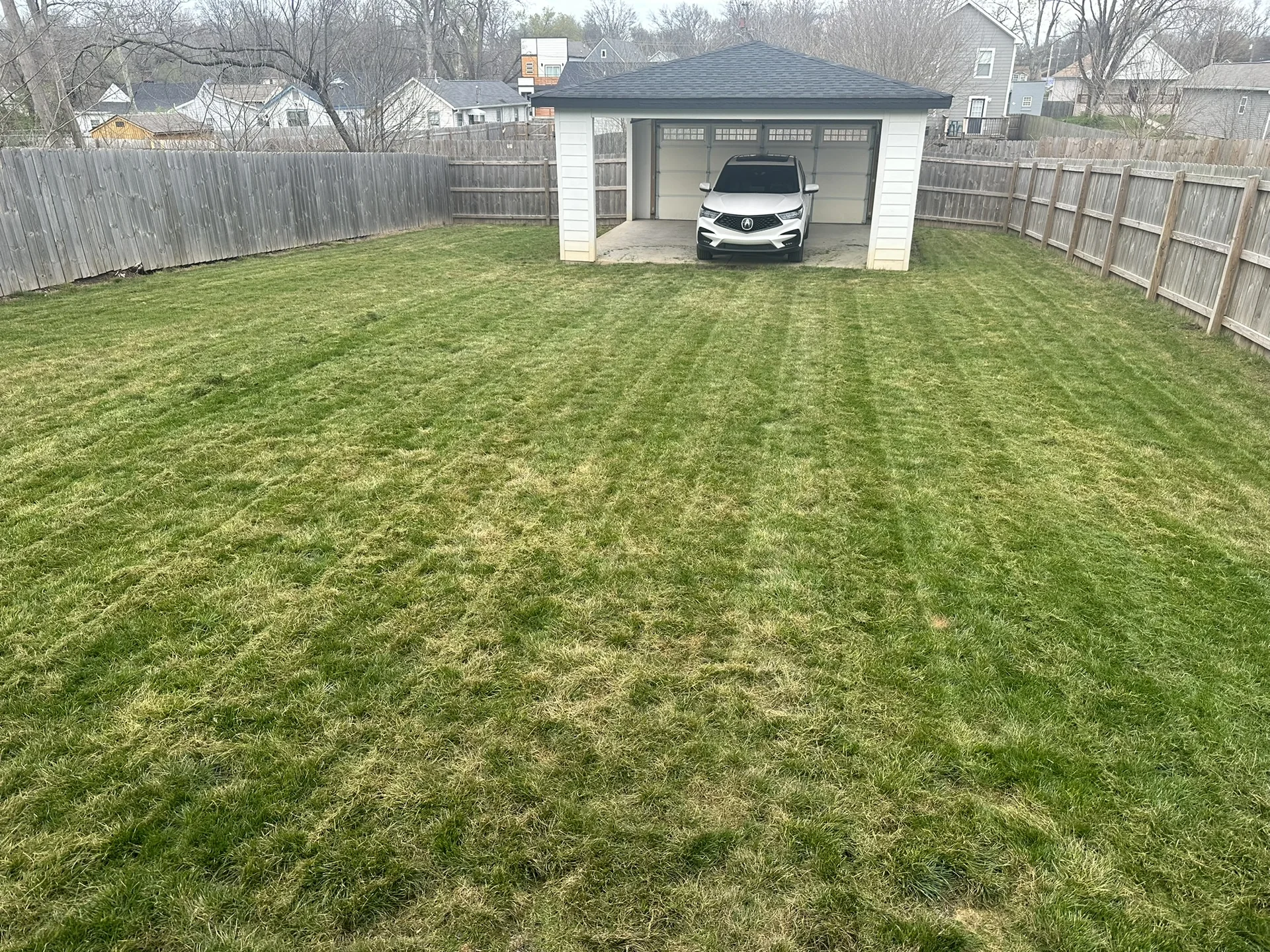
Drag the slider to compare before and after a full treatment program.
After
Before
← Drag to compare →
Weed Control FAQ
What is the difference between pre-emergent and post-emergent weed control?
Pre-emergent creates a chemical barrier in the soil that prevents weed seeds (like crabgrass) from germinating; it must be applied before weeds emerge, typically February-March in Middle Tennessee. Post-emergent targets actively growing weeds and works best when weeds are young and temperatures are moderate. A comprehensive program requires both.
Why do I still get weeds in the summer even after a spring pre-emergent?
Pre-emergent barriers naturally break down over 3 to 4 months due to microbial activity, rainfall, and summer heat. Additionally, some tough perennial weeds like nutsedge and wild violet reproduce from underground tubers or rhizomes, not just seeds, meaning they bypass the pre-emergent barrier entirely and require targeted post-emergent applications.
Do you treat for hard-to-control weeds like Bermuda or Dallisgrass?
Yes. We are one of the few companies to include Dallisgrass and Johnsongrass control at no extra charge, though complete control takes 2-3 years. Additionally, 6 of our 8 services include products that suppress common Bermuda grass. Combined with proper mowing habits, this keeps Bermuda from taking over your fescue lawn.
How does soil temperature dictate your weed control timing?
Weed seed germination is triggered by soil temperature, not the calendar. Crabgrass, for example, begins germinating when soil temperatures consistently reach 55°F for several days. As a UT Certified professional, I monitor local soil temperature models to time our pre-emergent applications perfectly for our region.
More Services
Mr. Lawn Care handles every treatment need your Middle Tennessee fescue lawn has — all from one specialist.
5.0·100+ verified reviews across Google, Yelp, Nextdoor & Facebook
S
S.B.
Spring Hill, TN
Google
AJ is wonderful. We are so happy that we chose him to do our yard. We now have carpet grass instead of weeds and dirt. After trying to create a carpet of grass for 14 years and failing, We hired AJ (Mr. Lawn). He tested… Read S.B.'s full review
Mr Lawn was hired to restore our lawn, killed by our previous service. He has been successful. His earth friendly quality products, personalized attention to the needs of our yard, knowledge (he will discuss the… Read B.M.'s full review
As a former chemistry teacher and graduate of Clemson, I appreciate AJ's knowledge and information. I am able to give excellent aftercare by following his emailed instructions. Please sign up for one year and you will… Read D.J.'s full review