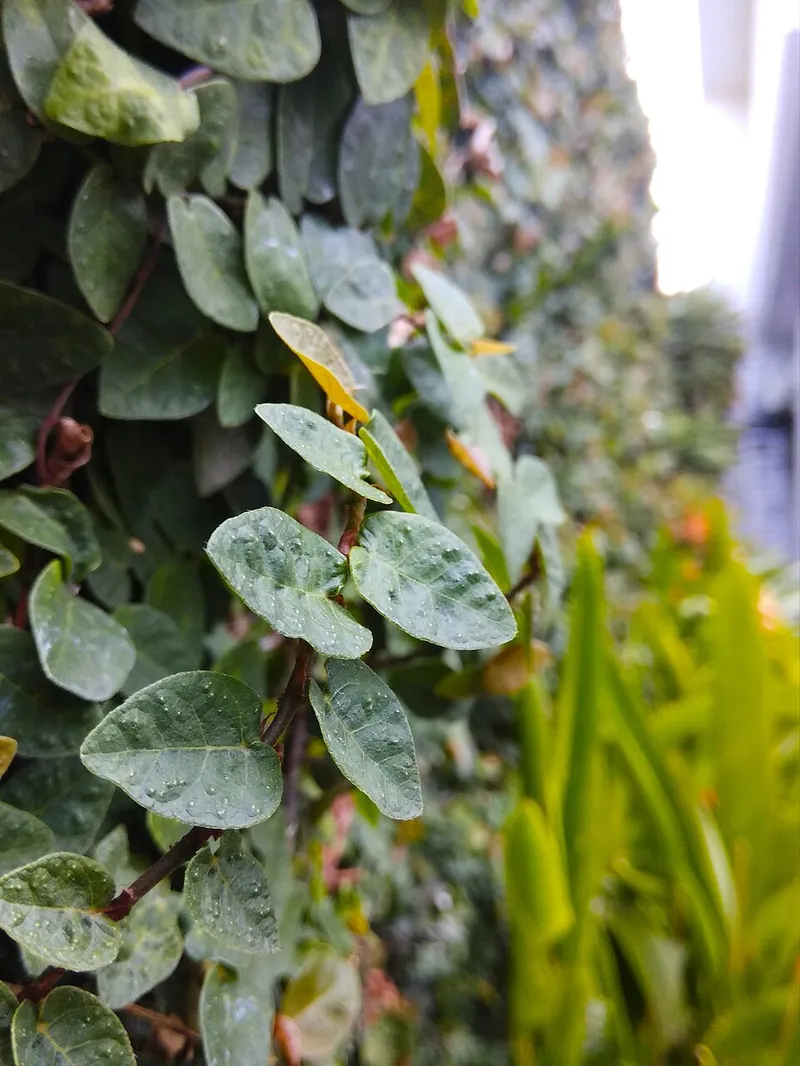
About Creeping Fig
Creeping Fig (Ficus pumila)
Climbing Fig
Part shade to full shade preferred, medium to moist well-drained soil, tolerates a range of soils including clay loam, pH 5.5-7.5.
Evergreen clinging vine reaching 15-40 feet by adhesive rootlets that bond tightly to masonry and stucco; juvenile leaves small and heart-shaped (3/4 inch), mature-phase leaves large and leathery (3-4 inches); mature phase produces inedible spongy figs.
Native region: Not native to Tennessee; ornamental introduction from East Asia (China, Japan, Vietnam), grown as an annual or in protected microclimates in Tennessee.
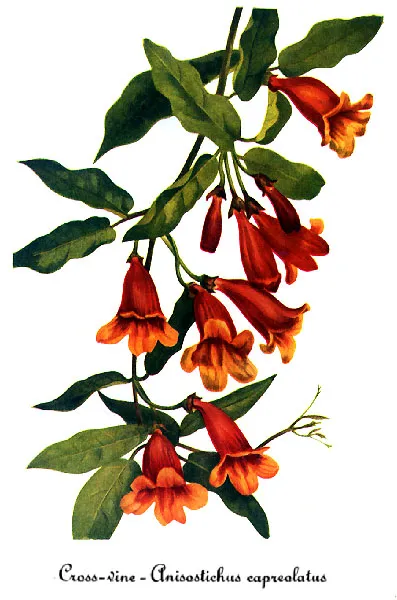
Creeping fig is reliably hardy only to about Zone 8a, most of Middle Tennessee sits in Zone 6b/7a, meaning top growth is killed to the ground in a typical Columbia winter and to the roots in a hard freeze below 15°F. Plants sold in Tennessee garden centers are treated as seasonal or container specimens. In protected microclimates (south-facing brick walls, urban courtyards in Nashville-area), plants sometimes resprout from the base after dieback but rarely reach mature climbing phase. The adhesive rootlets are extremely difficult to remove from masonry once attached; do not use on painted surfaces. For a true evergreen climber in Middle TN, Crossvine (Bignonia capreolata) is the native alternative with genuine hardiness.
Quick Facts
- Common Name
- Creeping Fig
- Scientific Name
- Ficus pumila
- Plant Type
- Vine
- Region
- Middle Tennessee