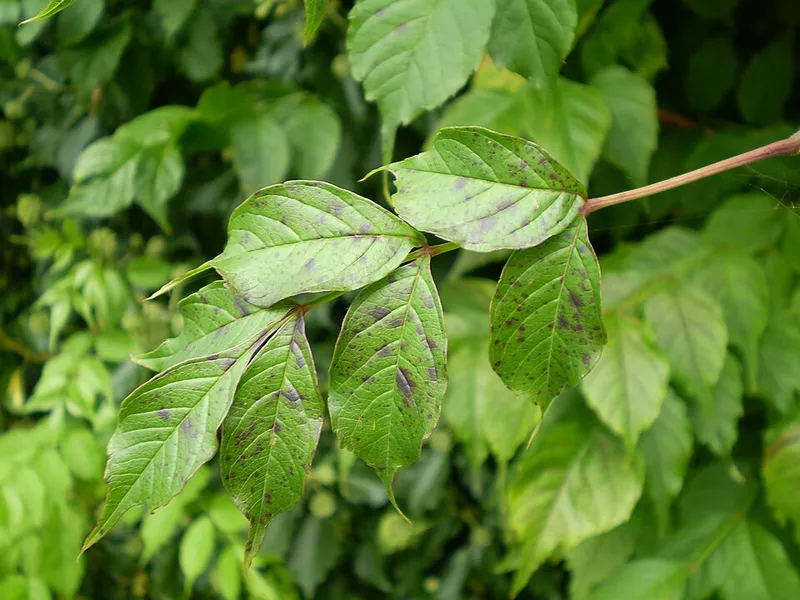
About Trumpetcreeper
Trumpetcreeper (Campsis radicans)
Trumpet Vine, Cow Itch Vine
Full sun to light shade, moderately dry to medium moisture, tolerates clay, sand, and rocky soils, pH 5.5-7.5.
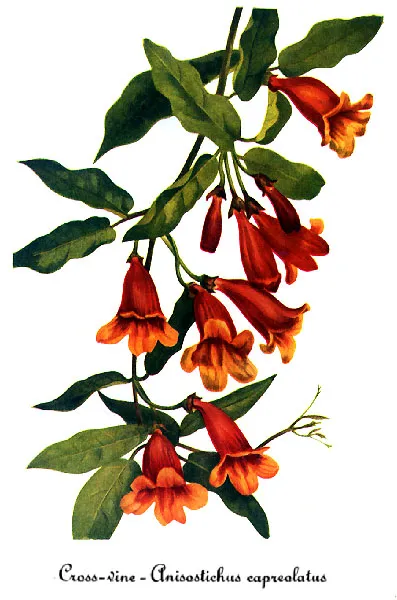
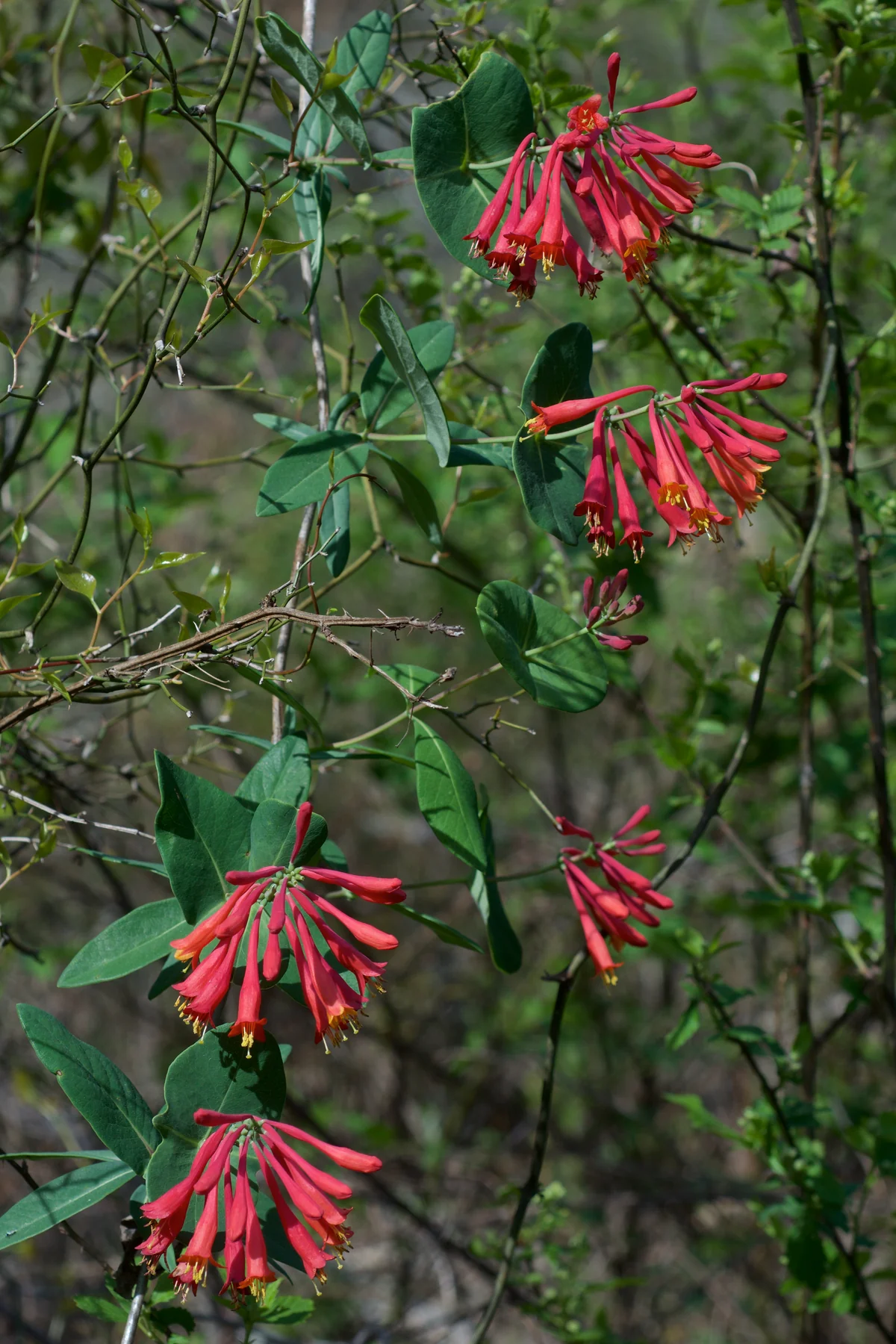
30-40 feet tall by clinging aerial rootlets; blooms July-September with 3-inch orange-red tubular flowers in terminal clusters; spreads aggressively by root suckers and self-seeding.
Propagation by stem cuttings in summer or root division in early spring.
Native region: Statewide in Tennessee, common in forest edges, disturbed ground, fence rows, and roadsides throughout Middle Tennessee.
Trumpetcreeper is one of the most drought-tolerant native vines in Middle Tennessee but its aggressiveness is frequently underestimated. Root suckers emerge 10-15 feet from the main stem and are difficult to eradicate once established, a particular problem along fence lines in Columbia-area yards where mowing misses the runners. The aerial rootlets penetrate mortar joints and can damage brick and wood siding; do not plant against house walls. Sap causes contact dermatitis in some individuals (hence "cow itch vine"). Despite the management demands, it is unmatched for late-summer hummingbird activity: ruby-throated hummingbirds (Archilochus colubris) and Baltimore orioles (Icterus galbula) actively work the flowers. Plant on a heavy-gauge trellis or arbor well away from structures and mow the sucker perimeter twice per season.
Quick Facts
- Common Name
- Trumpetcreeper
- Scientific Name
- Campsis radicans
- Plant Type
- Vine
- Region
- Middle Tennessee