About Lilac
Lilac (Syringa vulgaris)
Common Lilac, French Lilac
Full sun minimum 6 hours; medium moisture, well-drained; requires good drainage and air circulation; prefers slightly alkaline to neutral pH 6.0-7.5; requires adequate winter chilling hours to bloom.
8-15 feet tall and 6-12 feet wide, multi-stemmed, suckering; blooms April-May with intensely fragrant panicles in purple, lavender, pink, white, or bicolor; blooms on previous year's wood; deciduous; spreads by root suckering.
Propagation: softwood cuttings in June root under mist; division of suckers in early spring; grafted plants occasionally available for superior cultivars.
Native region: Not native to Tennessee; ornamental introduction from southeastern Europe and the Balkans.
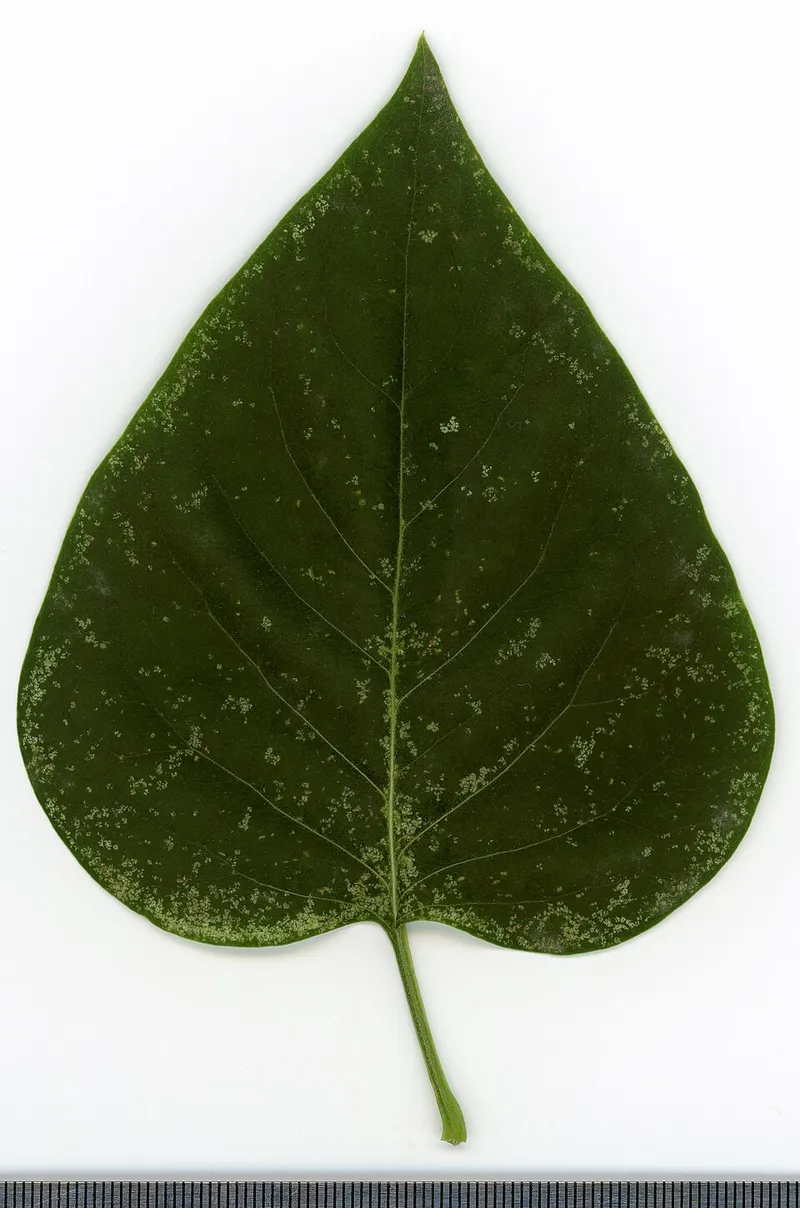
Common lilac is marginally reliable in Middle Tennessee's Zone 6b/7a transition zone, it requires 800-1,000+ chilling hours (temperatures below 45°F) to set bloom, and warm winters in the region can result in sparse or no flowering in mild years. The northern end of the service area (Spring Hill, Franklin) provides more reliable chilling than southern Maury County. Powdery mildew (Microsphaera alni) is the most consistent disease problem in Middle Tennessee's humid summers, causing white coating on foliage by July; this is cosmetic and does not threaten plant health but indicates poor air circulation. Bacterial blight (Pseudomonas syringae) can cause shoot dieback and brown blotches on young leaves in cool wet springs, prune out affected wood and disinfect tools. Low-chill alternatives for warmer sites include Syringa meyeri 'Palibin' (Meyer lilac) and S. pubescens subsp. patula 'Miss Kim', which bloom more reliably in the transition zone.
Quick Facts
- Common Name
- Lilac
- Scientific Name
- Syringa vulgaris
- Plant Type
- Shrub
- Region
- Middle Tennessee