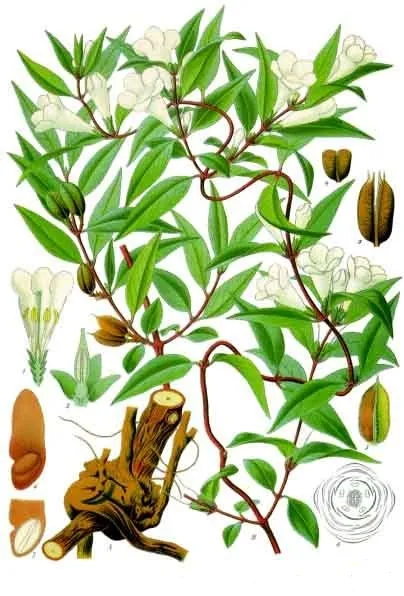
About Carolina Jasmine
Carolina Jasmine (Gelsemium sempervirens)
Yellow Jessamine, Evening Trumpet Flower
Full sun to part shade, medium to well-drained moisture, tolerates clay loam and sandy soils, pH 5.5-7.0.
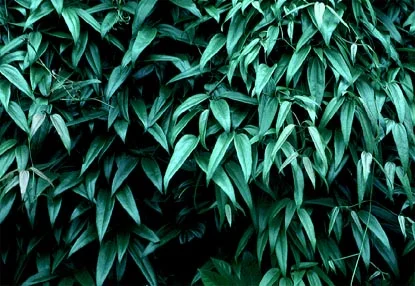
Evergreen twining vine reaching 10-20 feet; blooms February-April with 1-inch funnel-shaped yellow flowers, strongly fragrant; spreads by rhizomes and self-seeding.
Propagation by semi-hardwood cuttings in summer or layering in fall.
Native region: West and Middle Tennessee, primarily in forest edges, thickets, and roadsides; less common in East Tennessee.
Carolina jasmine is one of the earliest-blooming woody vines in Middle Tennessee, flowers often open in February during warm spells in Columbia, making it valuable for late-winter interest. All parts of the plant are toxic: the alkaloids gelsemine and sempervirine cause neuromuscular paralysis if ingested, and cases of honey toxicity have been reported when bees work the flowers heavily, this is not a vine to plant near beehives. Despite the toxicity, it is a reliable performer on trellises, split-rail fences, and mailbox posts in Zone 6b/7a where it typically retains most of its foliage through winter. Prune immediately after flowering to avoid cutting next season's buds. Swallowtail butterfly larvae do not feed on this species, pollination is primarily by long-tongued bees.
Quick Facts
- Common Name
- Carolina Jasmine
- Scientific Name
- Gelsemium sempervirens
- Plant Type
- Vine
- Region
- Middle Tennessee