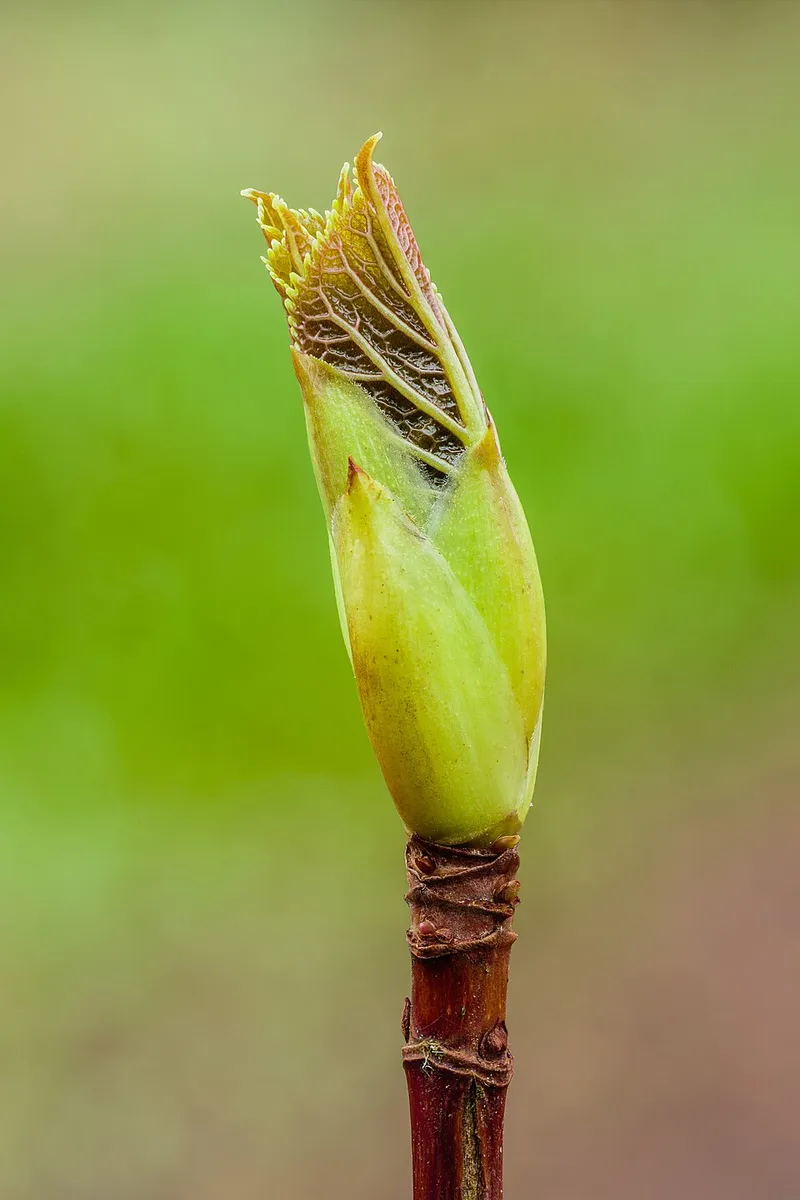
About Climbing Hydrangea
Climbing Hydrangea (Hydrangea anomala subsp. petiolaris)
Part shade to full shade preferred; full sun tolerated with consistent moisture; medium to moist well-drained soil, rich in organic matter; tolerates clay when drainage is adequate; pH 5.5-7.0.
Deciduous woody vine reaching 30-80 feet by self-clinging aerial rootlets; blooms June-July with flat-topped lacecap flower clusters 6-10 inches wide, creamy white sterile florets surrounding fertile inner flowers; attractive exfoliating cinnamon-brown bark provides winter interest.
Propagation by softwood cuttings in early summer; slow to establish, typically requires 3-5 years before significant bloom.
Native region: Not native to Tennessee; ornamental introduction from Japan and Korea.
Climbing hydrangea is the standard recommendation for shaded north- and east-facing walls in Middle Tennessee where few flowering vines will perform. The most common complaint is the "three-year wait", plants are slow to establish and reluctant to bloom before they have colonized adequate vertical surface. Planting in amended clay soil against a shaded masonry wall in Columbia is the typical use case; the aerial rootlets attach firmly but do not penetrate sound mortar as aggressively as ivy. Middle Tennessee's humid summers favor the lush foliage but also invite powdery mildew on congested plants, maintain spacing from adjacent plantings. Unlike bigleaf hydrangeas, this species does not require pH manipulation for bloom color. Prune sparingly; only remove dead or crossing stems immediately after flowering.
Quick Facts
- Common Name
- Climbing Hydrangea
- Scientific Name
- Hydrangea anomala petiolaris
- Plant Type
- Vine
- Region
- Middle Tennessee