About Crossvine
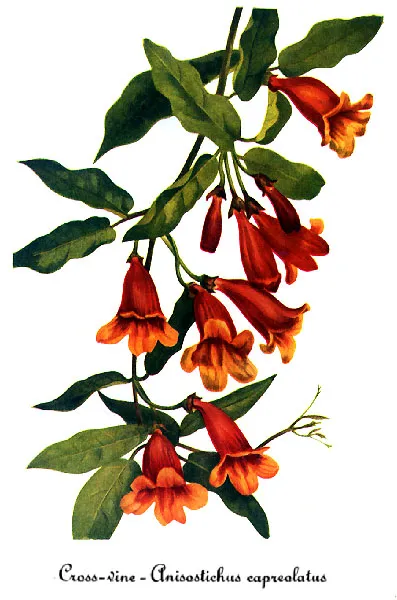
Crossvine (Bignonia capreolata)
Quartervine, Trumpet Flower
Full sun to part shade, medium to moist well-drained soil, tolerates clay and sandy loam, pH 5.5-7.0.
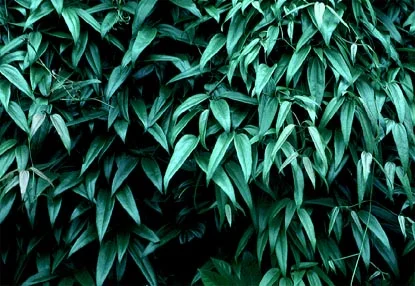
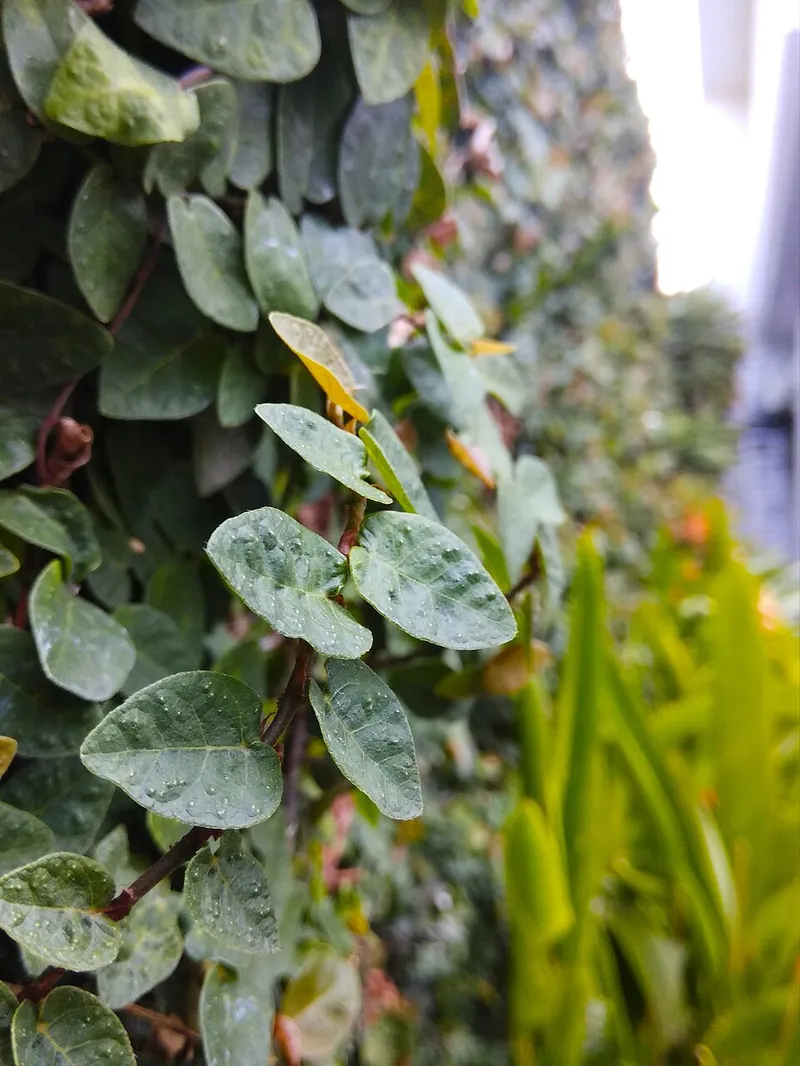
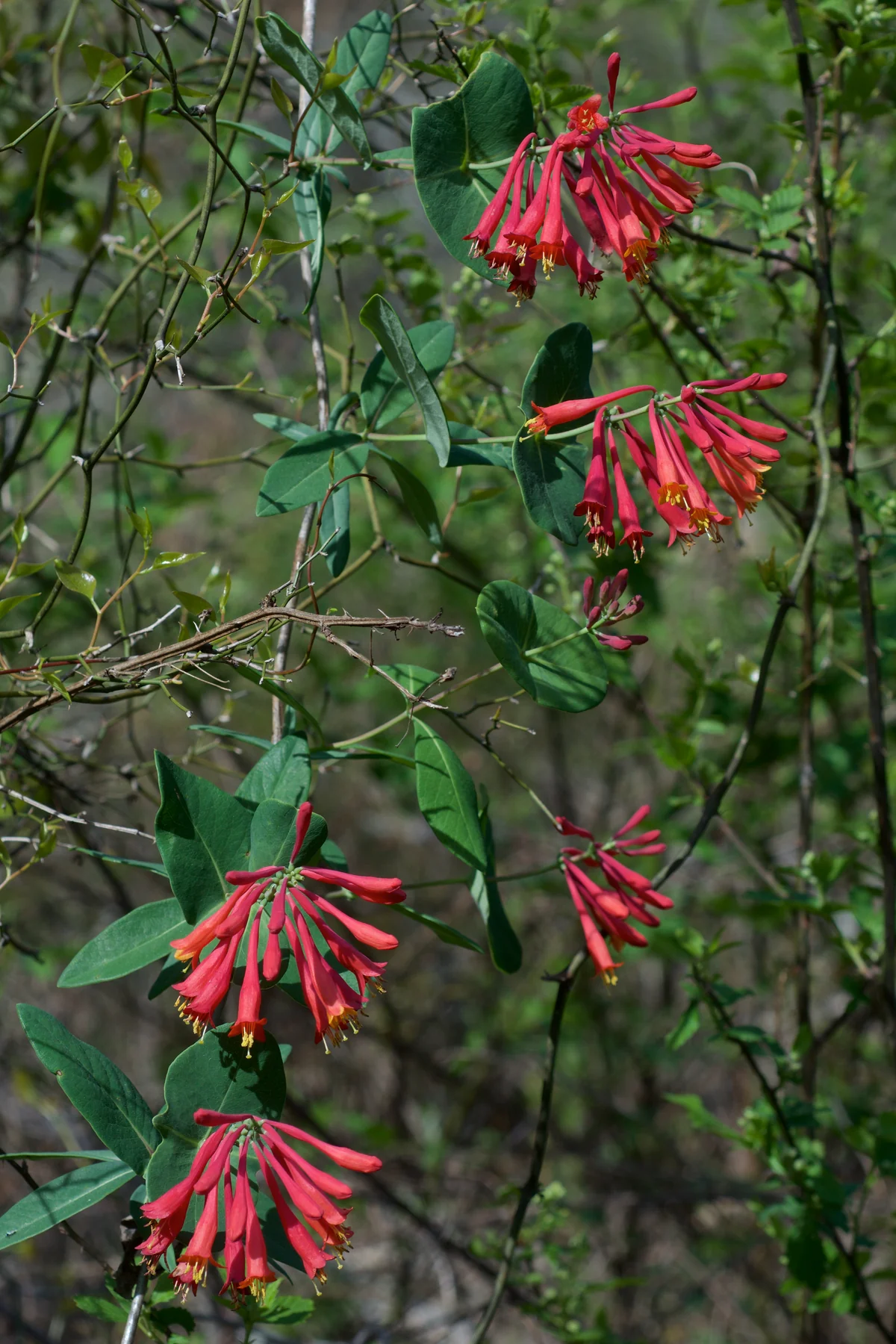
Semi-evergreen to evergreen woody vine climbing 30-50 feet by adhesive tendrils ending in small disk-like holdfasts; blooms April-May with 2-inch tubular flowers, orange-red outside and yellow within; spreads by rhizomes and layering.
Native region: Statewide in Tennessee, primarily in moist bottomland woods, forest margins, and along stream banks.
Crossvine is one of the most reliable early-spring hummingbird attractants native to Middle Tennessee. The adhesive holdfasts attach firmly to masonry, brick, and wood, useful for covering fences or pergola posts in Columbia-area gardens without the root-damaging aerial rootlets of Campsis radicans. In Middle Tennessee's clay-heavy soils along the I-65 corridor, established plants tolerate periodic wet feet during spring rains. The cross-shaped pith pattern visible in cut stems gives the species its common name. Blooms emerge before most other vines and coincide with the arrival of ruby-throated hummingbirds (Archilochus colubris) in late March-April. Little pruning is needed; cut back hard immediately after flowering to control spread.
Quick Facts
- Common Name
- Crossvine
- Scientific Name
- Bignonia capreolata
- Plant Type
- Vine
- Region
- Middle Tennessee