About Wisteria
Wisteria (Wisteria sinensis)
Chinese Wisteria
INVASIVE in Tennessee · listed on the Tennessee Exotic Pest Plant Council (TN-EPPC) invasive species list. Native alternative: American wisteria (Wisteria frutescens).
Full sun, medium well-drained soil, tolerates poor and clay soils, pH 5.5-7.0.
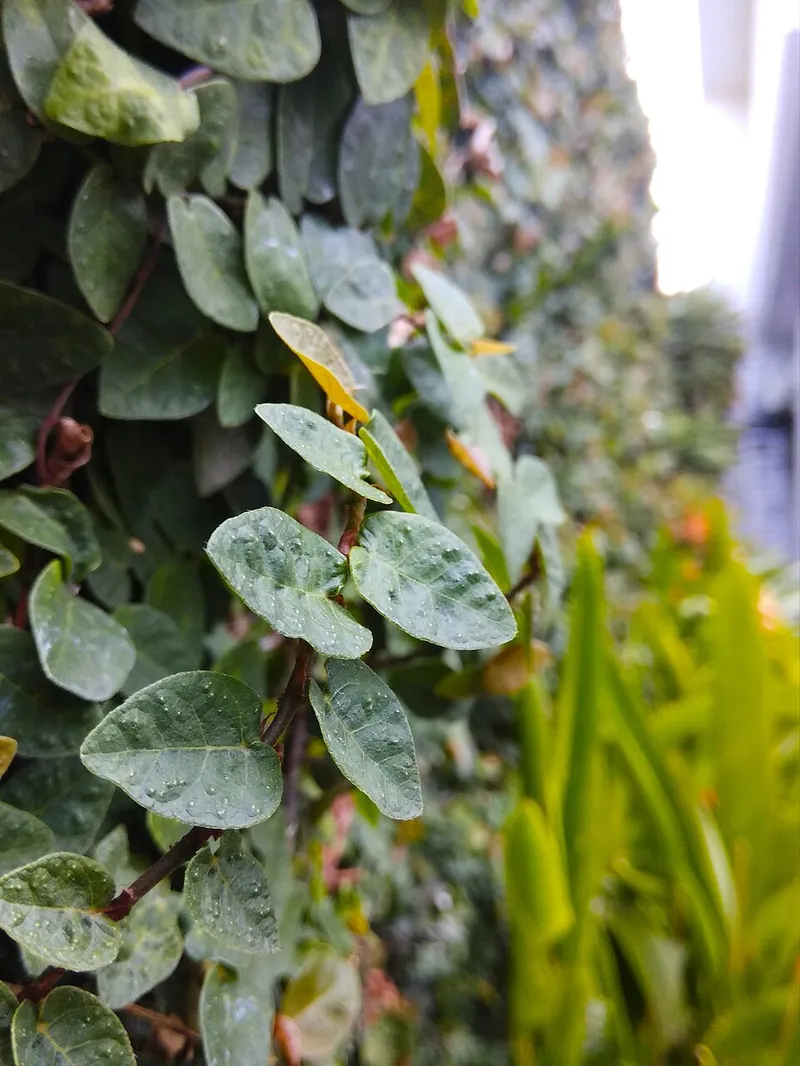
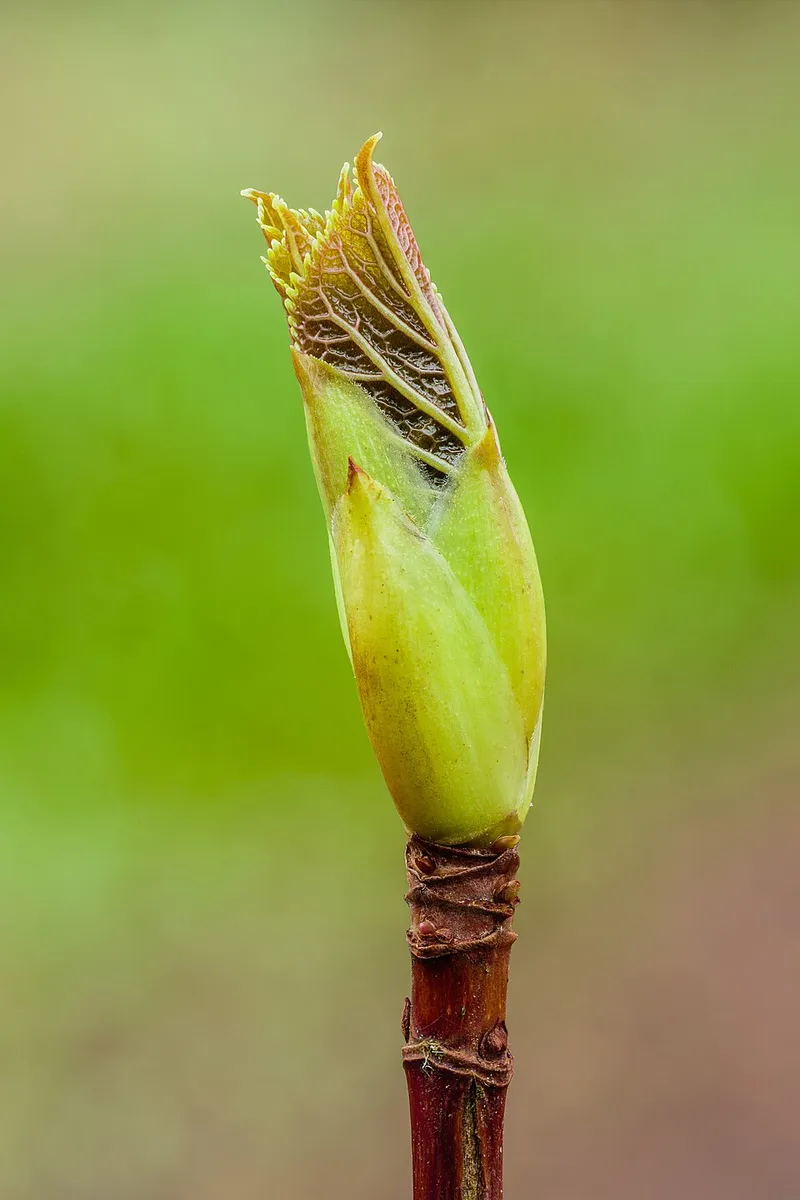
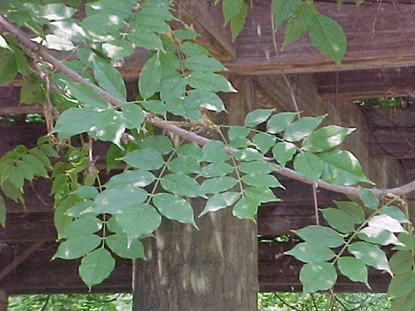
Deciduous woody vine climbing 30-100 feet by clockwise twining stems; blooms April-May before leaf-out with 6-12 inch pendant racemes of fragrant lavender-blue pea flowers; velvety seed pods; spreads aggressively by root suckers, layering, and bird-dispersed seed.
Native region: Not native to Tennessee; introduced from China, now invasive statewide in forest edges, roadsides, and disturbed areas throughout Middle Tennessee.
Chinese wisteria is one of the most structurally damaging landscape vines in the South. The twining stems can reach 8-10 inches in diameter and exert sufficient mechanical force to collapse pergolas, kill mature trees by girdling, and buckle gutters and downspouts. In Columbia-area neighborhoods, established plants are visible from the road each spring as a mass of lavender blooms smothering fence lines and telephone poles. Removal requires repeated cutting at ground level through the growing season combined with immediate treatment of the cut stem with concentrated glyphosate or triclopyr, a single cut-stump treatment rarely achieves more than temporary knockback. Do not plant. Remove existing plants and replace with Wisteria frutescens cultivars such as 'Amethyst Falls' or 'Blue Moon', which are available at Middle Tennessee garden centers.
Quick Facts
- Common Name
- Wisteria
- Scientific Name
- Wisteria sinensis
- Plant Type
- Vine
- Region
- Middle Tennessee