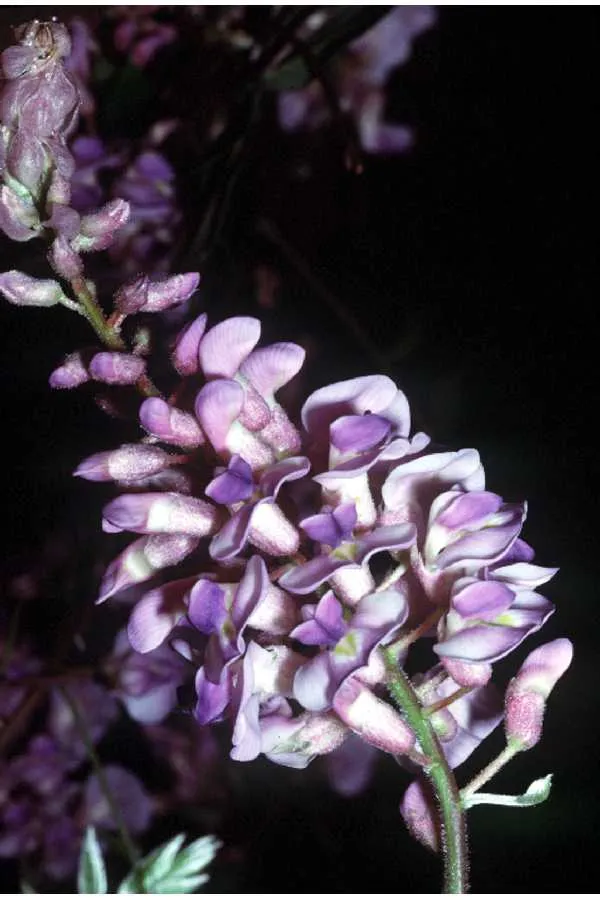
About American Wisteria
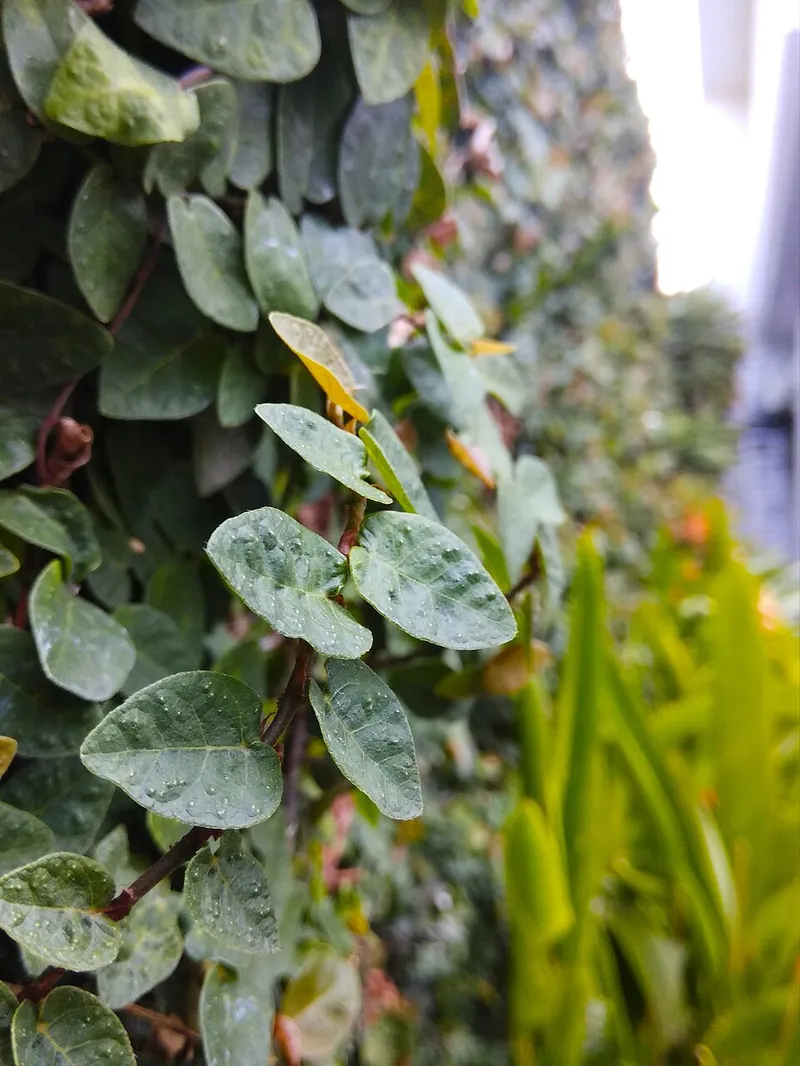
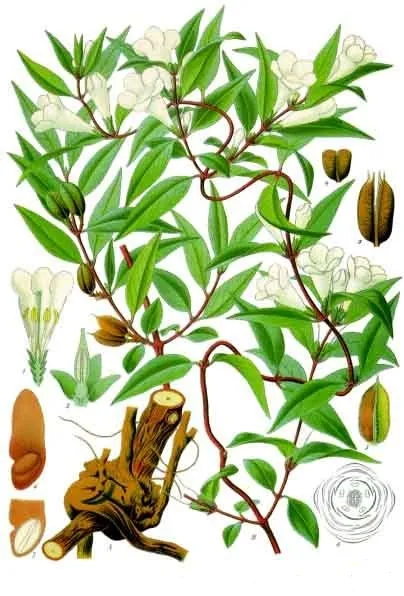
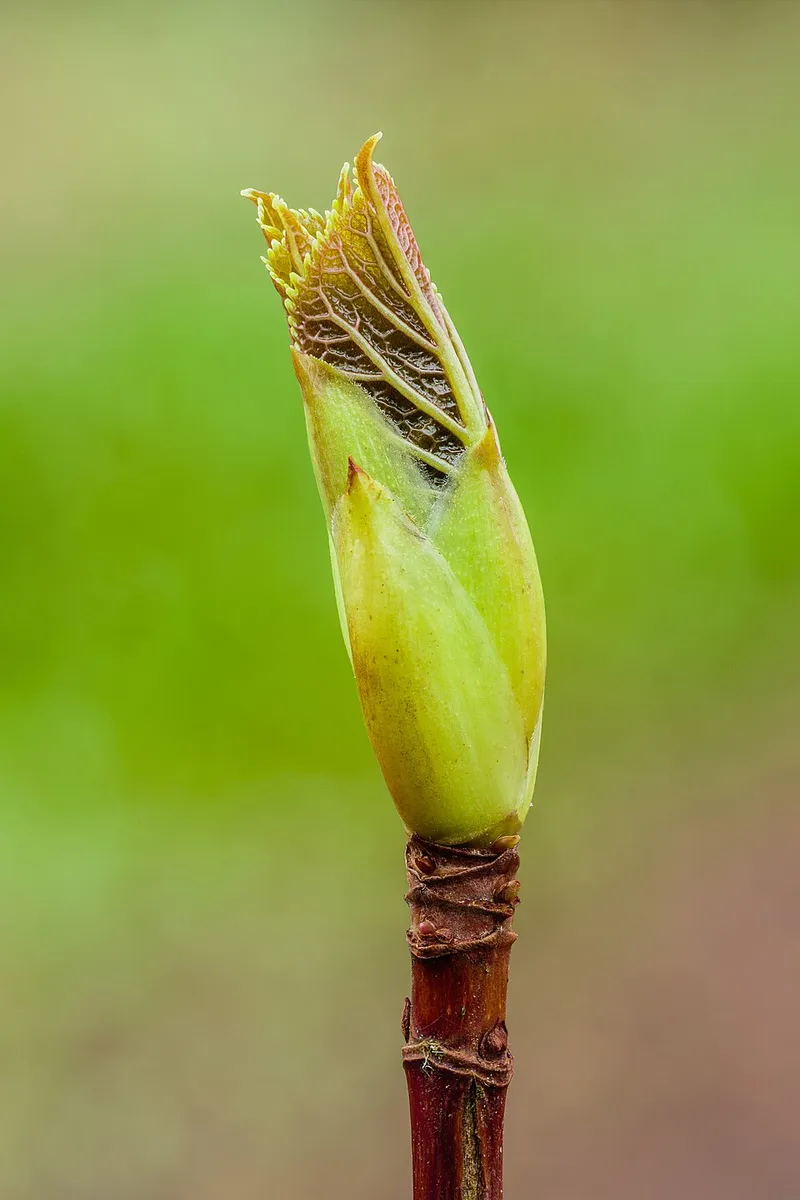
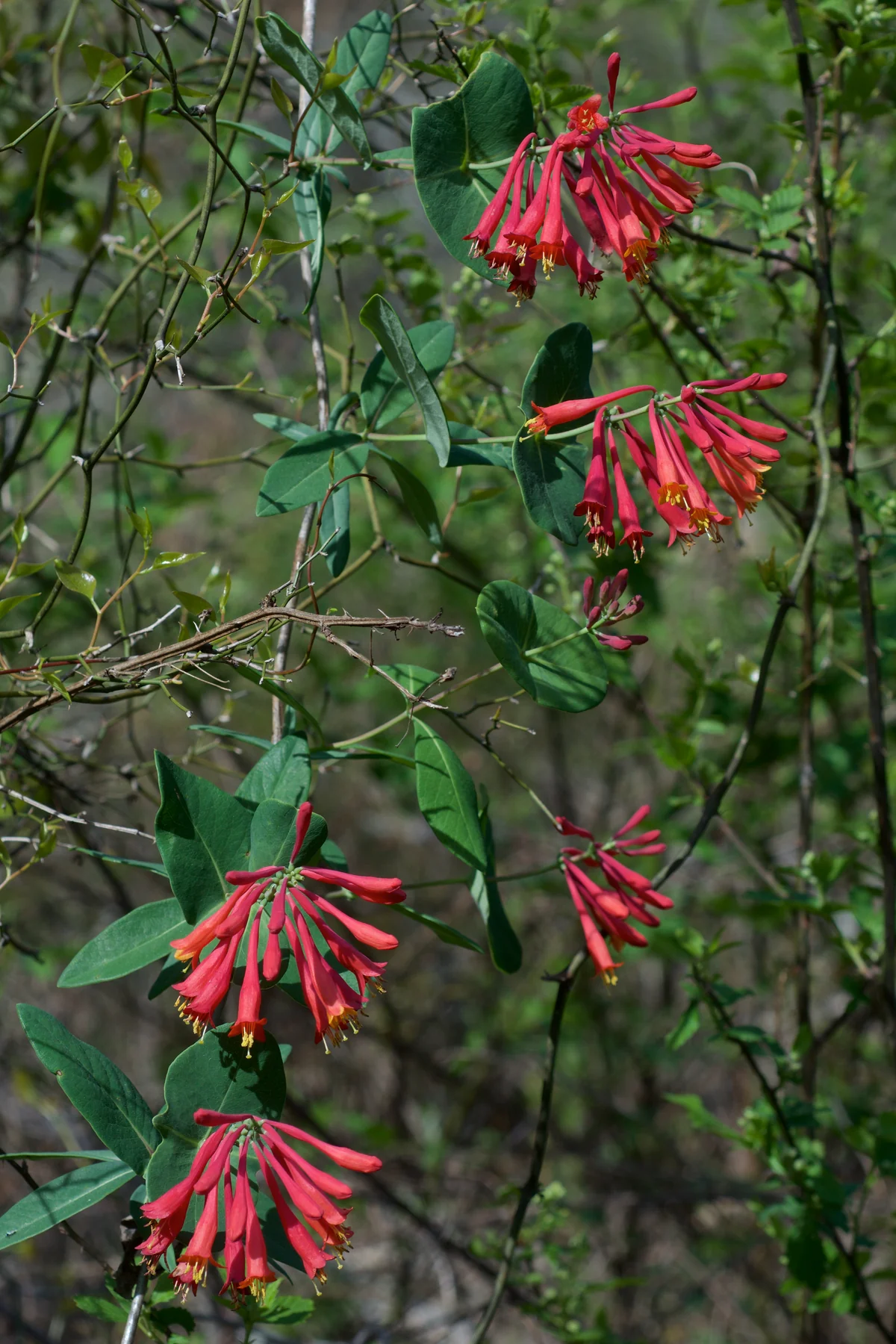
American Wisteria (Wisteria frutescens)
Full sun to part shade, medium to moist well-drained soil, tolerates clay and periodic wet conditions, pH 5.5-7.0.
Deciduous woody vine reaching 15-30 feet by counter-clockwise twining stems; blooms April-May after leaf-out with 4-6 inch pendant racemes of lilac to blue-violet pea flowers, lightly fragrant; smooth seed pods (not velvety); reblooms sporadically through summer; spreads by root suckers and layering.
Propagation by softwood cuttings in summer or by layering; grafted plants from named cultivars bloom years earlier than seedlings.
Native region: Middle and West Tennessee, primarily in moist bottomland forests, stream edges, and swamp margins; also naturalized in disturbed areas.
American wisteria is the ecologically responsible alternative to Chinese wisteria (Wisteria sinensis) and Japanese wisteria (Wisteria floribunda), both of which are invasive in Middle Tennessee and actively displace native vegetation in forest edges. W. frutescens is significantly less aggressive, root suckers are manageable with mowing, and it does not strangle large trees the way Asian species do. The cultivar 'Amethyst Falls' is the most widely available selection in Tennessee nurseries and reliably blooms without the multi-year establishment delay typical of seedling-grown plants. Bloom racemes are shorter than Asian wisterias (4-6 inches versus 12-18 inches) but the flowering display is still substantial. Bumble bees (Bombus spp.) are primary pollinators. Supports zebra swallowtail butterfly larvae (Eurytides marcellus) indirectly through habitat.
Quick Facts
- Common Name
- American Wisteria
- Scientific Name
- Wisteria frutescens
- Plant Type
- Vine
- Region
- Middle Tennessee