About lavender
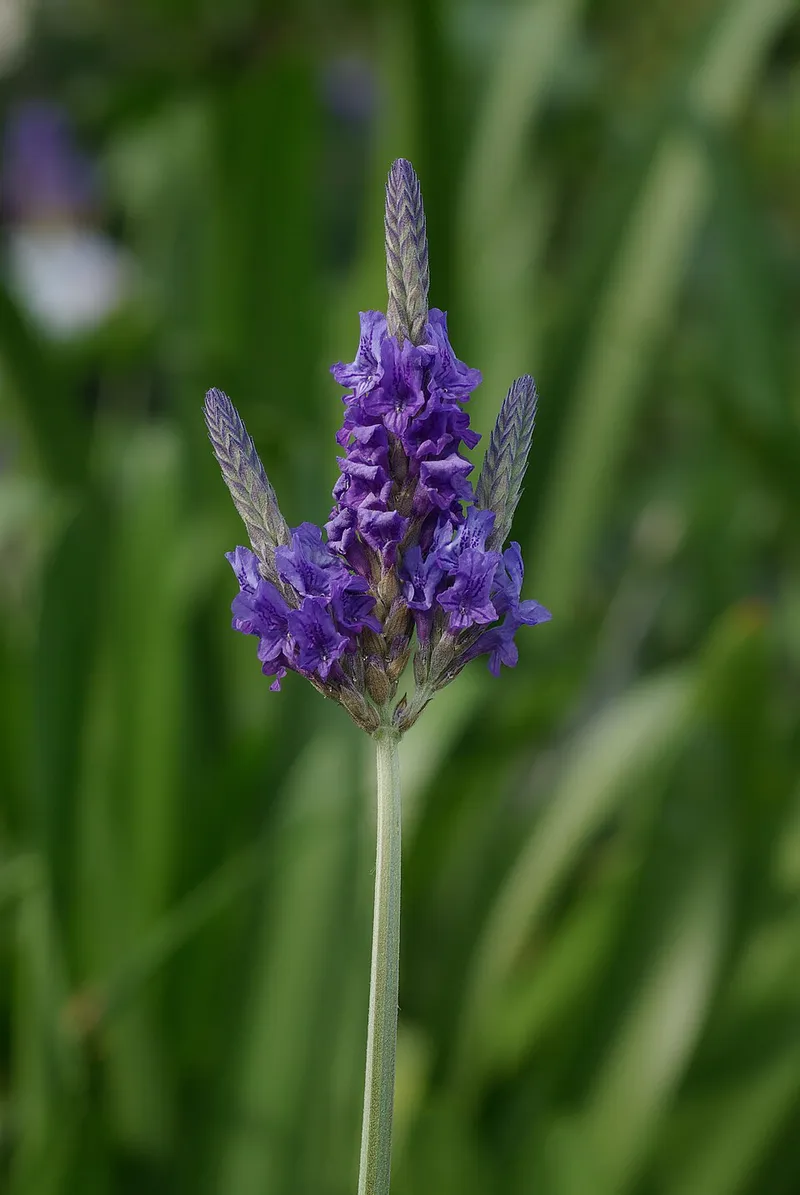
Lavender (Lavandula angustifolia)
English Lavender, True Lavender
Full sun, dry to medium moisture, well-drained alkaline to neutral soil, pH 6.5-7.5 preferred; does not tolerate wet clay, high humidity, or poor drainage.
1-3 feet tall and wide depending on cultivar; blooms late spring to early summer (June in Middle Tennessee) with fragrant violet-purple flower spikes on silver-grey foliage; plants are semi-evergreen in Zone 7a; spreads by self-seeding in favorable conditions.
Native region: Not native to Tennessee; ornamental introduction from the Mediterranean region.
English lavender is the species most likely to succeed in Middle Tennessee, but the subtropical humidity and summer rainfall of the I-65 corridor create consistent challenges. The primary failure mode is root and crown rot from Phytophthora or Pythium during the wet, warm periods of June-August; raised beds with sharp gravel incorporated into the planting zone substantially improve survival. Cultivars with demonstrated heat tolerance, such as 'Phenomenal' and 'Hidcote', outperform standard seed-grown plants in zone 7a. Shear stems by one-third after the first bloom flush to encourage a second flush and maintain compact form. Avoid cutting into old wood without green basal growth present, as lavender does not regenerate from bare wood.
Quick Facts
- Common Name
- lavender
- Scientific Name
- Lavandula angustifolia
- Plant Type
- Perennial
- Region
- Middle Tennessee