About Japanese Maple Scale
Japanese Maple Scale (Lopholeucaspis japonica)
Identification: Elongated armored scale, 1.5-2 mm, white to pale gray with a slightly off-center exuviae (shed skin) at one end. Dense populations cover bark with a white-flecked crust easily confused with white paint spatters or lichen. Infests a wide host range: Japanese maple (Acer palmatum), dogwood (Cornus spp.), redbud (Cercis canadensis), holly, lilac, and others. The elongated white cover and polyphagous host range distinguish it from other white armored scales in Tennessee.
Life cycle: Two to three generations per year in Middle Tennessee, giving it among the most complex crawler schedules of any local scale. Crawlers emerge over a prolonged period from late May through September, with peak emergences in June and August. Overlapping generations make it difficult to time a single treatment to maximum effect; two to three applications timed to crawler flushes are typically needed.
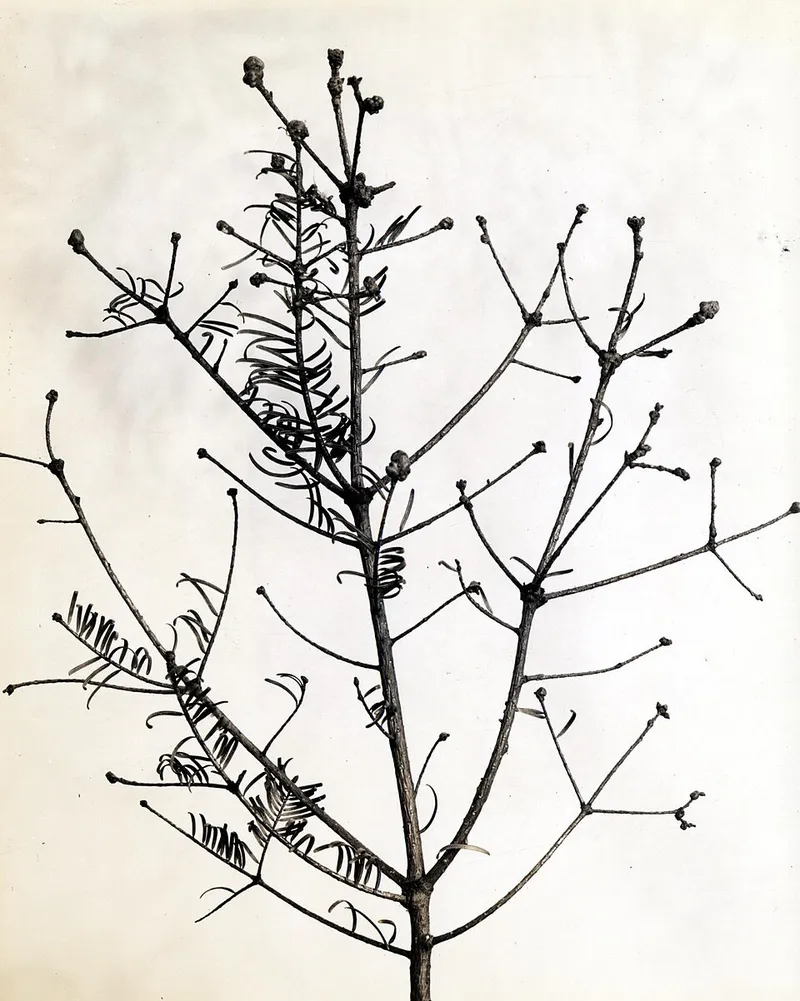
Damage signs: Bark encrustation on trunks and major limbs, branch dieback, and general canopy thinning on heavily infested specimens. Japanese maple is a high-value landscape specimen; even moderate infestations reduce aesthetic value. Dogwood and redbud with heavy infestations show premature leaf drop and dead wood above girdled limbs.
Treatment window: Late May through June for the primary crawler flush; follow-up in August. A dormant oil application in late February to early March reduces overwintering populations before the season begins.
UT-recommended approach: Dormant oil in late winter plus two contact applications (horticultural oil or insecticidal soap) timed to crawler peaks. Systemic dinotefuran or imidacloprid soil drench or basal bark spray provides broader coverage across the extended crawler emergence period. Monitor crawler activity with double-sided tape wrapped around infested stems.
Quick Facts
- Common Name
- Japanese Maple Scale
- Scientific Name
- Lopholeucaspis japonica
- Category
- Landscape Pest
- Region
- Middle Tennessee