
Abiotic Disorders
Browse 27 abiotic disorders · non-living causes of plant damage like drought stress, nutrient deficiency, and herbicide injury, affecting lawns and landscapes in Middle Tennessee.
Hypoxic Stress
N/A
<p>Hypoxic Stress is a non-pathogenic lawn condition commonly seen in Middle Tennessee. Unlike diseases caused by fungi or bacteria, abiotic disorders...
Root Compromise from Drought
N/A
<p>Root Compromise from Drought is a non-pathogenic lawn condition commonly seen in Middle Tennessee. Unlike diseases caused by fungi or bacteria, abi...
Mechanical Wounding
N/A
<p>Mechanical Wounding is a non-pathogenic lawn condition commonly seen in Middle Tennessee. Unlike diseases caused by fungi or bacteria, abiotic diso...
Soil Compaction
N/A
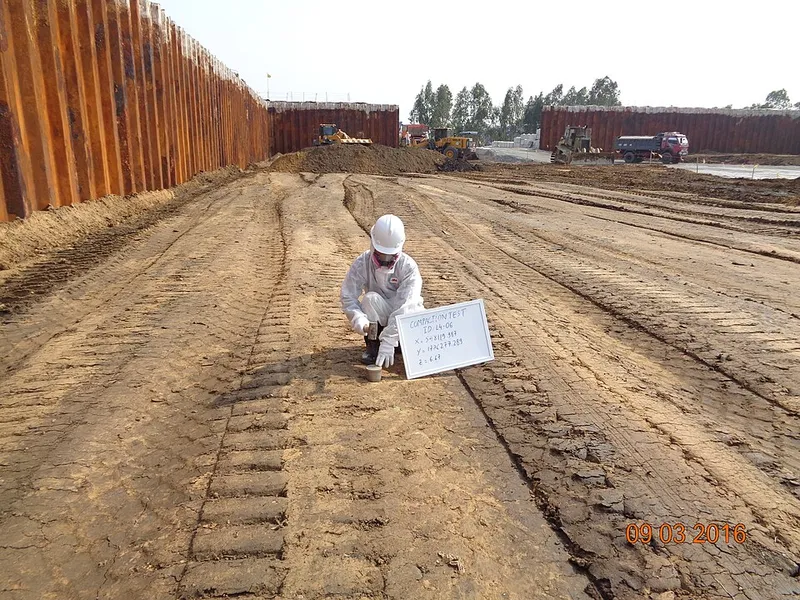
<p>Soil compaction is real, but core aeration does not fix it for more than a few weeks at best. This is one of the most over-sold concepts in the law...
Salt Stress
N/A
<p>Salt Stress is a non-pathogenic lawn condition commonly seen in Middle Tennessee. Unlike diseases caused by fungi or bacteria, abiotic disorders re...

Hail
N/A
<p>Hail is a non-pathogenic lawn condition commonly seen in Middle Tennessee. Unlike diseases caused by fungi or bacteria, abiotic disorders result fr...
Drought Stress
N/A
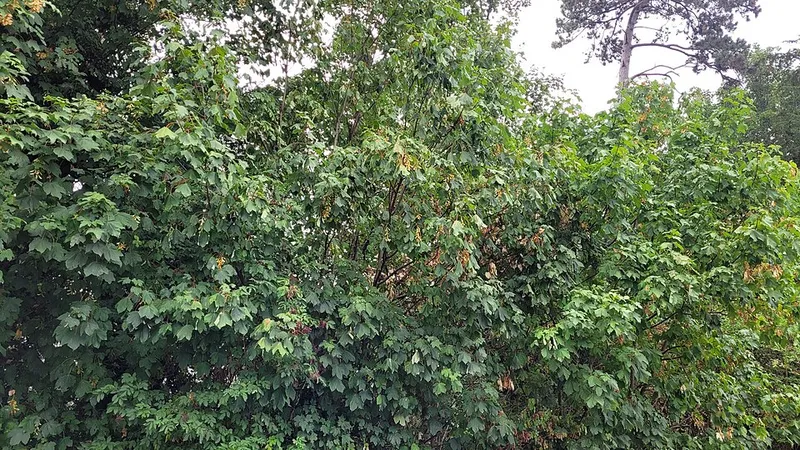
<p>Drought stress in Middle Tennessee fescue lawns is one of the most commonly misdiagnosed conditions. Homeowners see brown grass in July, assume it ...
Winter Injury
N/A
<p>Winter Injury is a non-pathogenic lawn condition commonly seen in Middle Tennessee. Unlike diseases caused by fungi or bacteria, abiotic disorders ...

Soil Salinity
N/A
<p>Soil Salinity is a non-pathogenic lawn condition commonly seen in Middle Tennessee. Unlike diseases caused by fungi or bacteria, abiotic disorders ...

Over-Irrigation
N/A
<p>Over-irrigation is one of the most common self-inflicted lawn problems in Middle Tennessee, and it causes damage through two mechanisms that most h...
Anaerobic Conditions
N/A
<p>Anaerobic Conditions is a non-pathogenic lawn condition commonly seen in Middle Tennessee. Unlike diseases caused by fungi or bacteria, abiotic dis...
Physiological Drought Stress
N/A
<p>Physiological Drought Stress is a non-pathogenic lawn condition commonly seen in Middle Tennessee. Unlike diseases caused by fungi or bacteria, abi...
Heat Stress
N/A
<p>Heat stress on tall fescue in Middle Tennessee is the most common reason lawns look bad in July and August, but it is almost never the only factor ...
Herbicide Damage
N/A
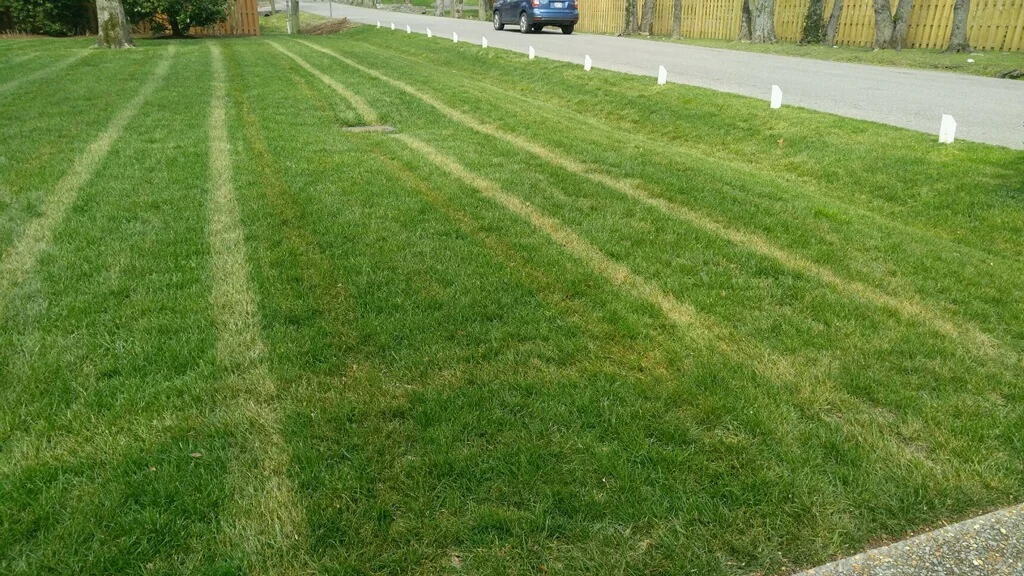
<p>These aren't photos of my work, these are lawns that customers brought me after something went wrong. A company sprayed at the wrong rate, or in th...
soil compaction damage
N/A
<p>soil compaction damage is a non-pathogenic lawn condition commonly seen in Middle Tennessee. Unlike diseases caused by fungi or bacteria, abiotic d...
Scalping Injury
N/A
<p>Scalping happens when a mower cuts grass down to or below the crown, the growing point at the base of the plant where the shoots emerge. Once you c...
Shade Stress
N/A
<p>Shade stress is the gradual thinning and decline of fescue turf under tree canopy or on the north side of structures where sunlight is limited. Tal...

winter desiccation
N/A
<p>winter desiccation is a non-pathogenic lawn condition commonly seen in Middle Tennessee. Unlike diseases caused by fungi or bacteria, abiotic disor...
salt damage
N/A
<p>salt damage is a non-pathogenic lawn condition commonly seen in Middle Tennessee. Unlike diseases caused by fungi or bacteria, abiotic disorders re...
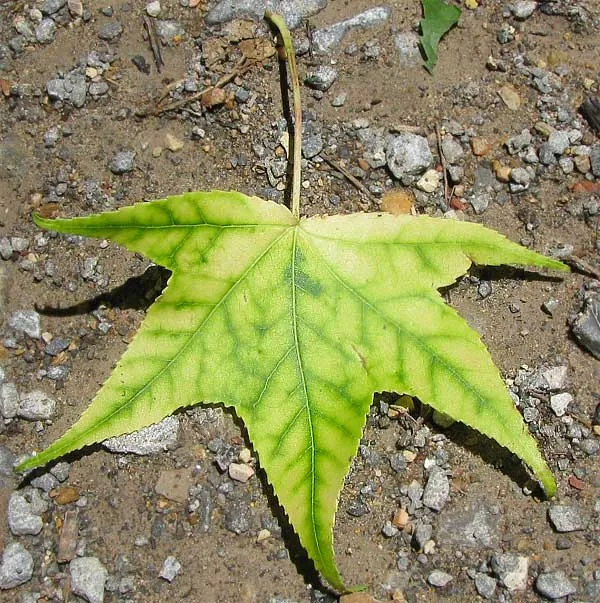
iron chlorosis
N/A
<p>iron chlorosis is a non-pathogenic lawn condition commonly seen in Middle Tennessee. Unlike diseases caused by fungi or bacteria, abiotic disorders...
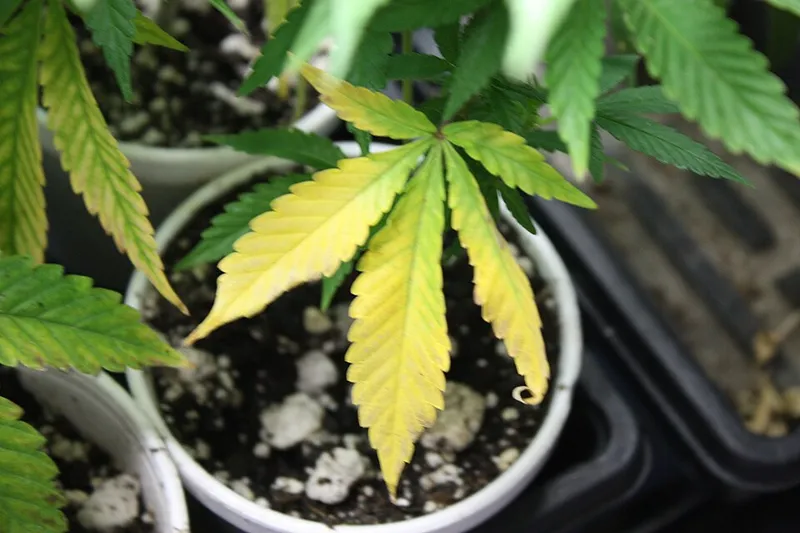
nutrient deficiency
N/A
<p>nutrient deficiency is a non-pathogenic lawn condition commonly seen in Middle Tennessee. Unlike diseases caused by fungi or bacteria, abiotic diso...
Poor Drainage / Waterlogging
N/A
<p>When poor drainage kills grass in Middle Tennessee, it is almost never drowning, it is disease. Poorly-drained areas stay wet longer, and extended ...
Thatch Buildup
N/A
<p>Thatch buildup is one of the most over-diagnosed, over-treated, and misunderstood concepts in residential lawn care. Every spring, big-box stores r...
Dog Urine Damage
N/A
<p>Google is wrong about what causes dog urine damage to grass. Everywhere you look online says it is caused by nitrogen, a nitrogen burn from the ure...
Fertilizer Burn & Striping
N/A
<p>Actual fertilizer burn, where grass dies from over-application, is surprisingly uncommon. The most common cause is a homeowner hitting a bump on th...
Hydrophobic Soil
N/A
<p>Hydrophobic soil is one of the most frustrating and least-understood lawn problems in Middle Tennessee, particularly in newer construction areas wi...
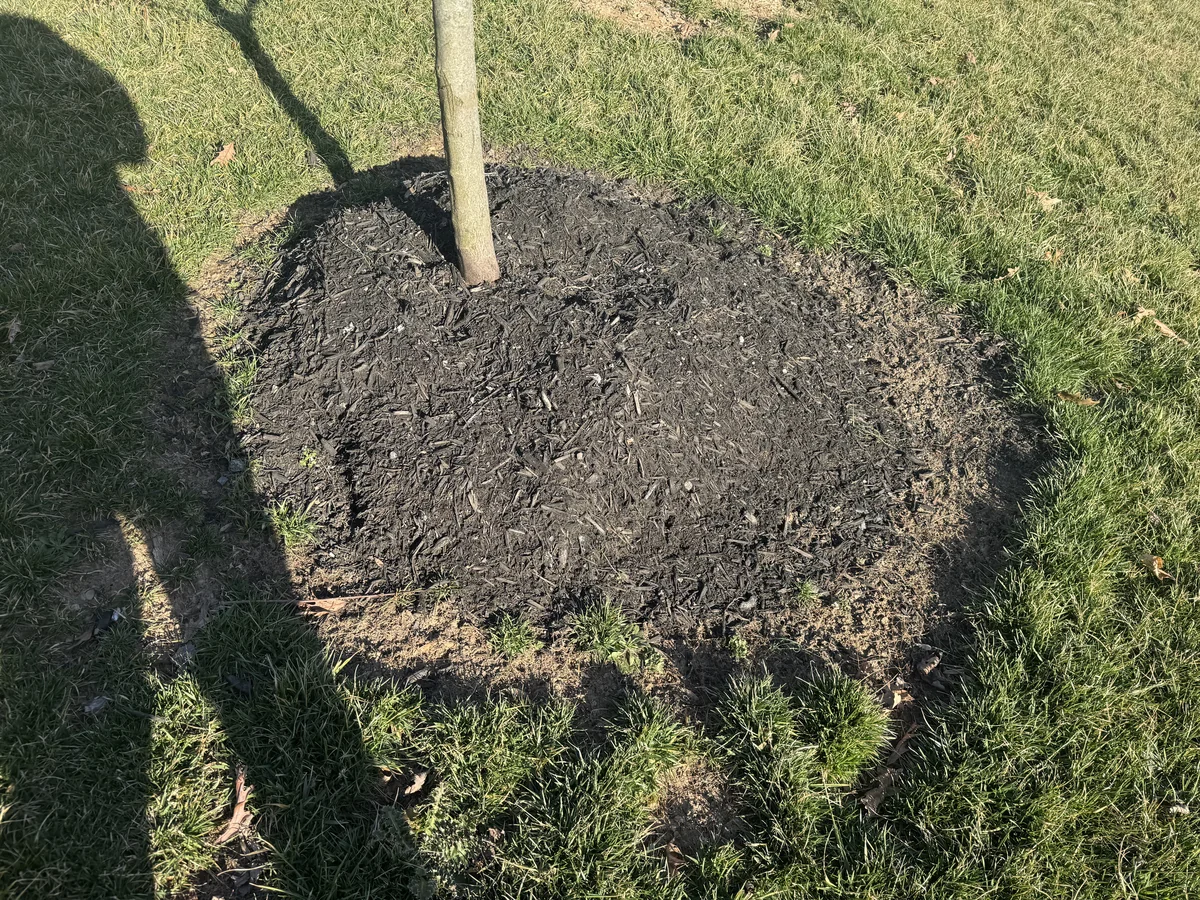
Tree Root Girdling
N/A
<p>Tree Root Girdling (also called "mulch volcano" damage) occurs when mulch is piled high against the trunk covering the root collar and root flare. ...
What Are Abiotic Disorders?
Abiotic disorders are plant problems caused by non-living, environmental factors rather than pathogens like fungi, bacteria, or insects. Common causes include drought stress, heat stress, waterlogging, compaction, nutrient deficiency or toxicity, herbicide drift or misapplication, and physical damage.
These disorders are frequently misdiagnosed as diseases or pest damage, leading to unnecessary and ineffective treatments. Correctly identifying an abiotic cause is critical, applying a fungicide to a drought-stressed lawn, for example, will not help and may make things worse.
As UT Certified Lawn Care Professionals serving Columbia, Thompson's Station, Spring Hill, and surrounding areas, we diagnose abiotic disorders regularly. Our library helps you understand what environmental factors may be stressing your lawn or landscape plants.
Ready for a Healthier Lawn?
Get a free, no-obligation quote from our UT Certified lawn care specialists. We serve the entire I-65 corridor from Pulaski to Belle Meade.