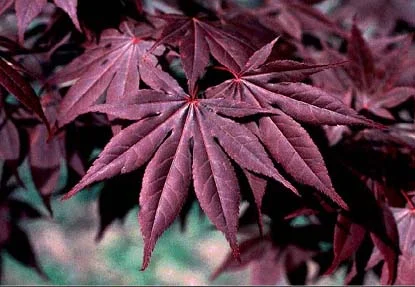
About Japanese Maple
Japanese Maple (Acer palmatum)
Part sun to light shade; medium moisture, well-drained soil essential; prefers rich loam, tolerates clay with good drainage; pH 4.5-6.5.
15-25 feet tall by 15-25 feet wide (species type); small reddish-purple flowers in spring; fruit is a paired samara 1-2 cm long, ripening September-October. Growth rate slow to medium. Hundreds of cultivars exist with widely varying form, size, and leaf color.
Native region: Not native to Tennessee; ornamental introduction from Japan, Korea, and China.
Japanese Maple is one of the most widely planted ornamental trees in Middle Tennessee residential landscapes. The species tolerates Zone 6b/7a winters, but many cutleaf and dissectum cultivars are less cold-hardy and may suffer twig dieback in severe winters. The critical site requirement is afternoon shade, in Columbia and surrounding Maury County, west-facing exposures with afternoon sun cause leaf scorch and early defoliation by August. Acer palmatum is not drought-tolerant once stressed; supplemental watering during droughts extending past two weeks prevents premature defoliation. Verticillium wilt is the primary fatal disease in Tennessee; infected trees show one-sided or whole-crown dieback with no effective cure. Anthracnose and tar spot are common in wet springs but rarely fatal. Mulching 8-10 cm deep out to the dripline stabilizes root zone soil temperature, which is especially important given Middle Tennessee's fluctuating winter-spring temperatures.
Quick Facts
- Common Name
- Japanese Maple
- Scientific Name
- Acer palmatum
- Plant Type
- Tree
- Region
- Middle Tennessee