About Eastern Redbud
Eastern Redbud (Cercis canadensis)
Full sun to light shade, medium to moderately dry moisture, tolerates clay and rocky soils, drought-tolerant once established, pH 5.5-7.5.
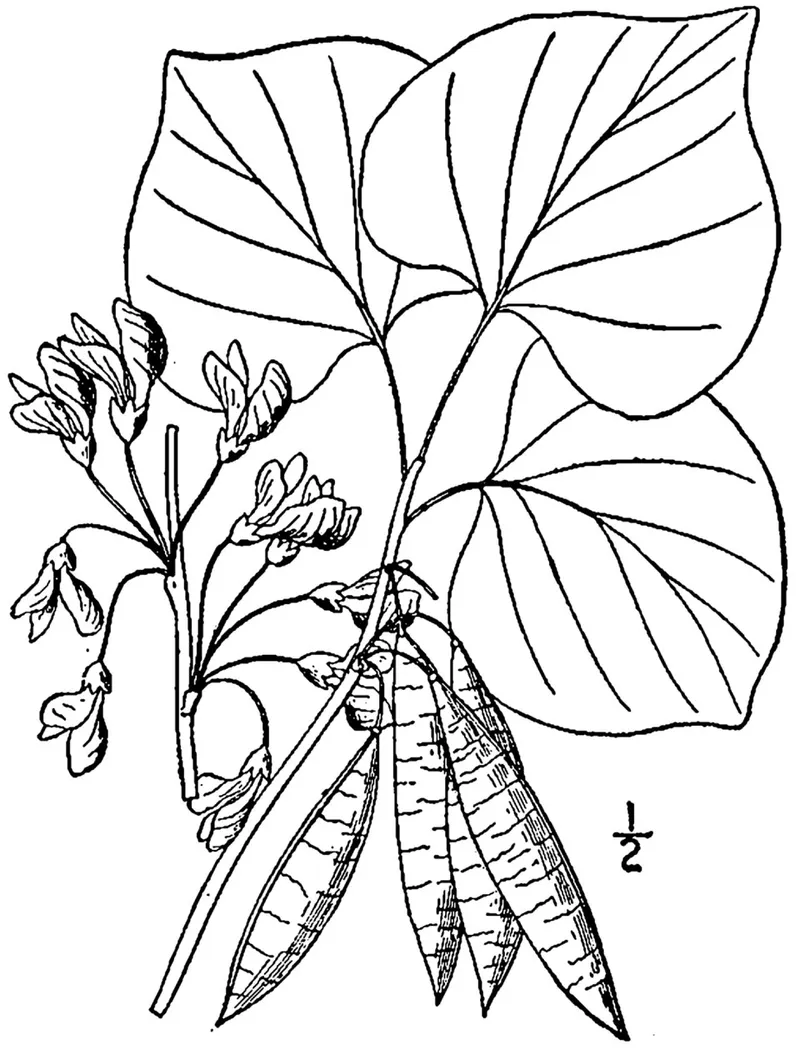
20-30 feet tall by 25-35 feet wide; magenta-pink flowers in dense clusters directly on branches and trunk (cauliflory) in March-April before leaf-out; fruit is a flat brown pod 5-10 cm long containing 6-10 seeds, persisting on the tree through winter. Growth rate medium.
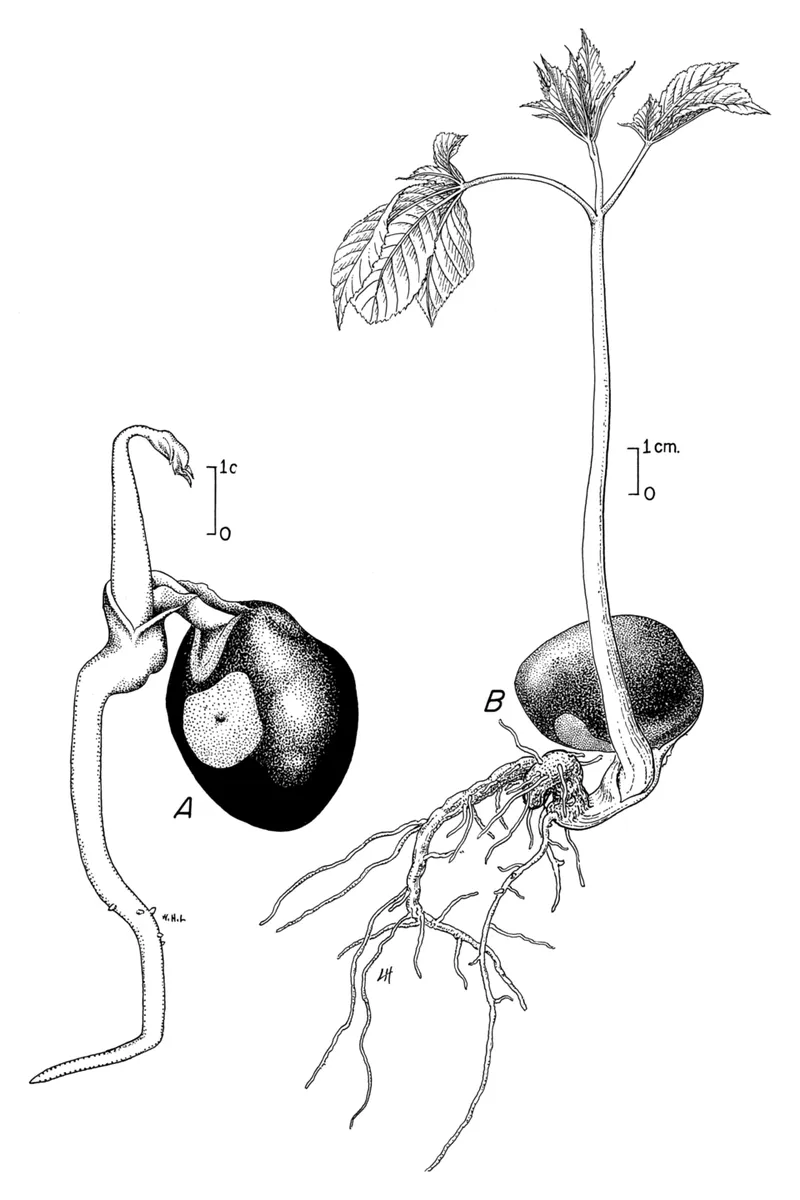
Seed germination requires scarification followed by cold stratification (60 days); easy from scarified seed.
Native region: Statewide in Tennessee, most abundant on moist to dry woodland edges, rocky slopes, and roadside corridors; one of the most visible native flowering trees in Middle Tennessee during March.
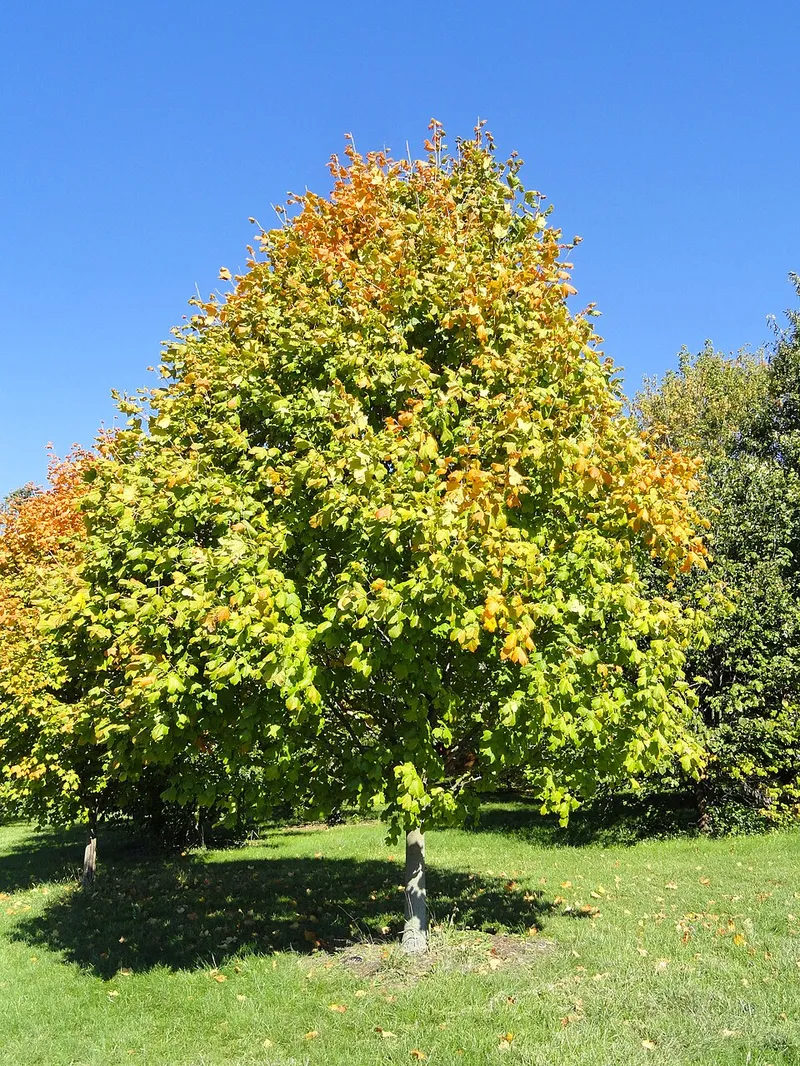
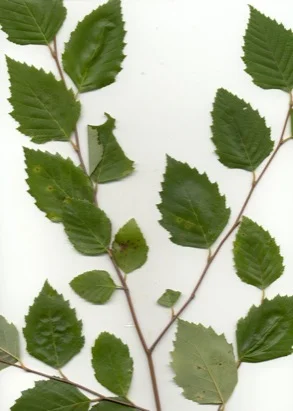
Cercis canadensis is the state flower of Oklahoma and one of the most recognizable spring-flowering trees in the I-65 corridor, roadsides through Columbia and Maury County are lined with it in late March. It is a nitrogen-fixing legume, with root nodules that improve soil fertility over time. Redbud is highly adaptable to Middle Tennessee's clay-dominant soils but does not tolerate prolonged standing water. Canker diseases (Botryosphaeria spp.) are the primary cause of decline, entering through wounds, drought stress, or mechanical injury. Verticillium wilt also occurs. The tree leafs out to a broad, flat-topped crown and the heart-shaped leaves turn yellow in fall. Henry's elfin (Callophrys henrici) butterfly larvae use redbud as a primary host.
Quick Facts
- Common Name
- Eastern Redbud
- Scientific Name
- Cercis canadensis
- Plant Type
- Tree
- Region
- Middle Tennessee