About Rose Aphid
Rose Aphid
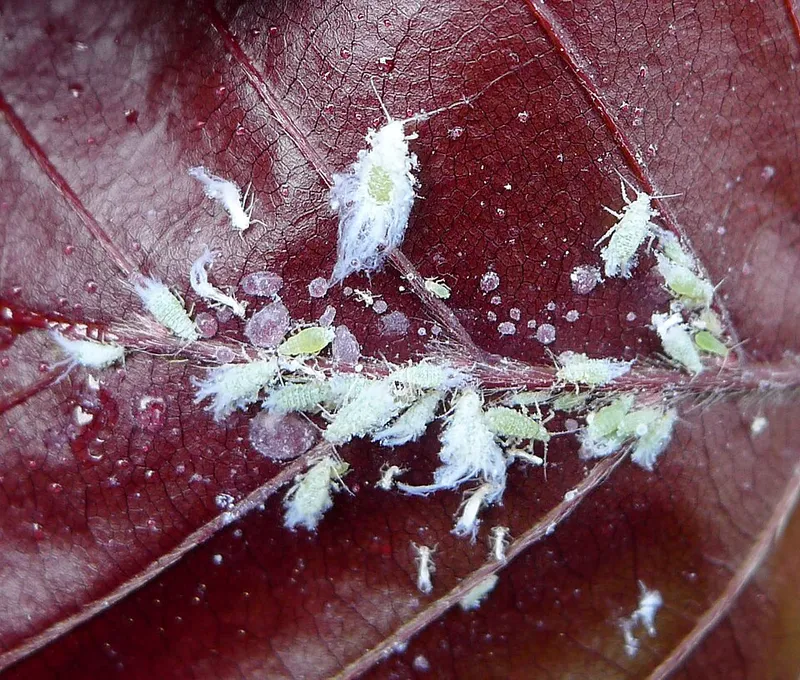
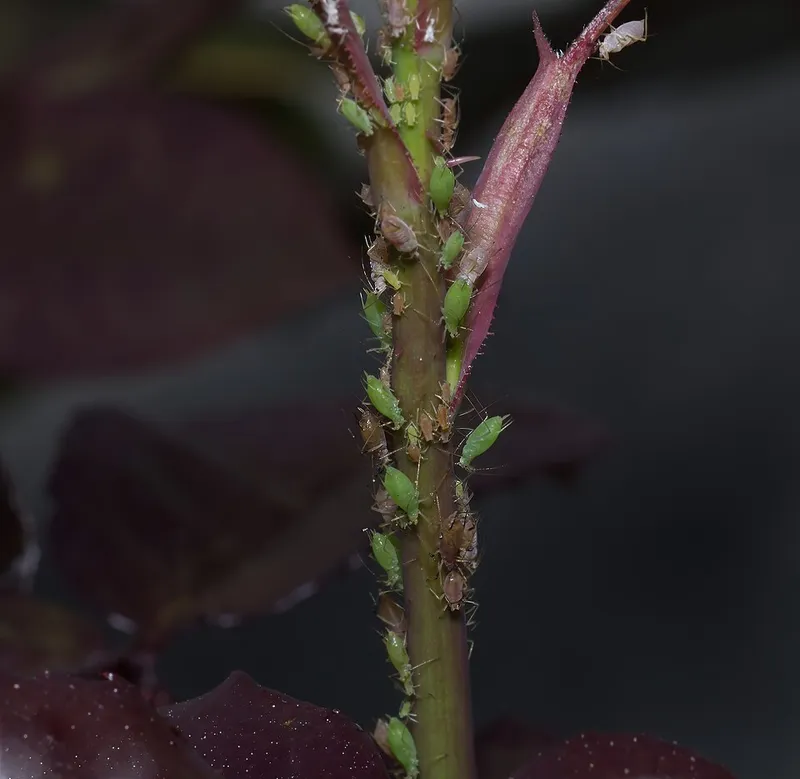
Identification: Pink to green soft-bodied aphids, 1.5-2.5 mm, clustered on buds, stem tips, and underside of young leaves of roses (Rosa spp.). Cornicles (tail-pipe projections) are darker than the body. Macrosiphum rosae is the most common species on landscape roses; Chaetosiphon fragaefolii also occurs. Color varies within a colony, pink and green individuals may coexist.
Life cycle: Overwinters as eggs on rose canes. Hatch in early spring as new growth emerges; populations build rapidly through parthenogenetic reproduction in cool spring weather. Colonies can double in 3-4 days at optimal temperatures (60-75°F). Multiple overlapping generations run April through June; summer heat suppresses populations, which may rebound in September-October.
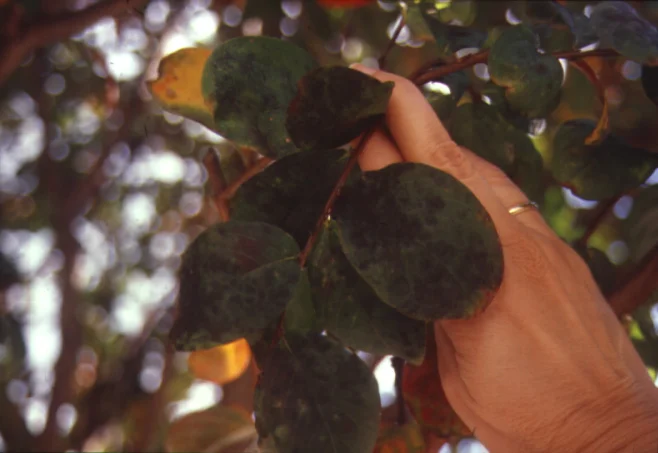
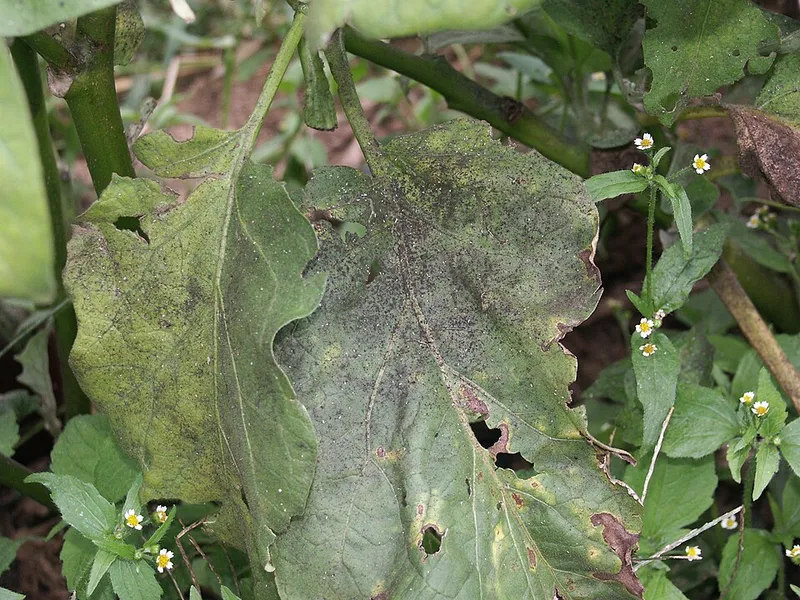
Damage signs: Bud distortion and failure to open fully on infested stems. Young shoots become twisted and stunted. Honeydew on foliage produces sooty mold and attracts ants that disrupt natural enemy activity. Severe infestations reduce bloom quality and can weaken newly planted roses significantly.
Treatment window: Early April through late May is the primary window. Secondary window September-October if fall populations rebuild on reblooming varieties.
UT-recommended approach: Knock colonies off stems with a firm water stream, effective and preserves beneficials. Insecticidal soap targets soft-bodied nymphs directly without residual. Avoid broad-spectrum pyrethroid applications that eliminate lady beetles and parasitic wasps, which provide reliable natural suppression once established. Systemic imidacloprid is an option for specimen roses with chronic infestations but should not be used on blooming plants due to pollinator exposure risk.
Quick Facts
- Common Name
- Rose Aphid
- Scientific Name
- N/A
- Category
- Landscape Pest
- Region
- Middle Tennessee