About Painted Maple Aphid
Painted Maple Aphid (Drepanaphis acerifoliae)
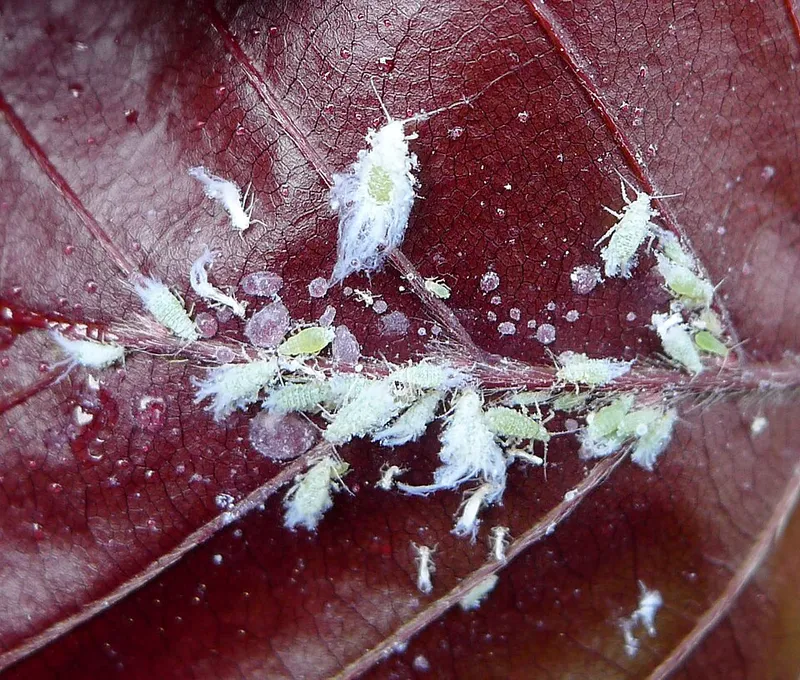
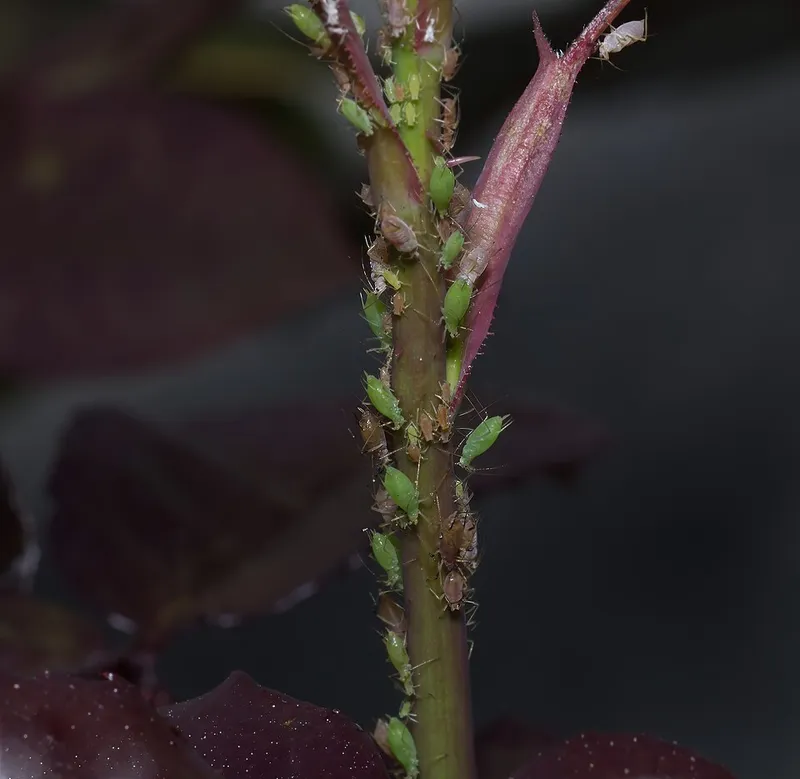
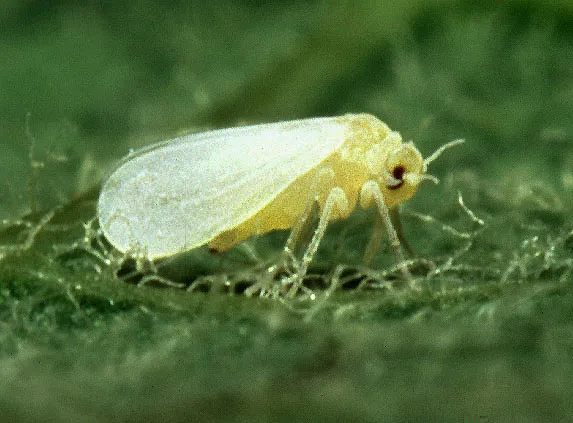
Identification: Pale green to yellowish aphids, 2-3 mm, with distinctive dark markings on the abdomen. Found in colonies on the undersides of maple leaves, primarily silver maple (Acer saccharinum) and red maple (Acer rubrum). Long legs give them a lanky appearance compared to more compact aphid species.
Life cycle: Overwinters as eggs on bark. Eggs hatch in spring as buds break; fundatrix females produce live nymphs parthenogenetically through multiple spring generations. Populations peak in May-June before declining in summer heat, with a secondary flush possible in early fall. Winged adults disperse to new host trees.
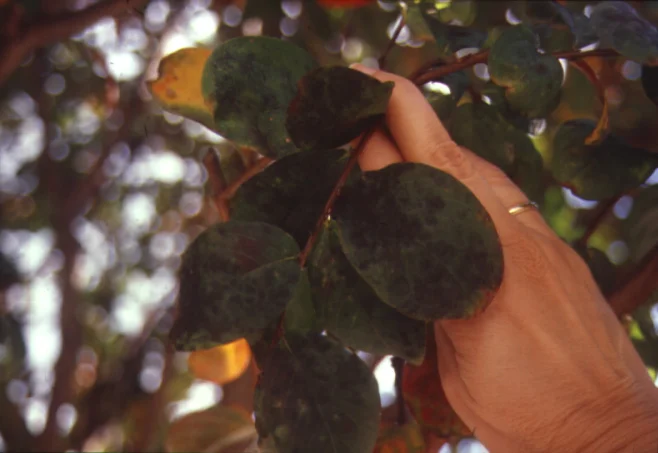
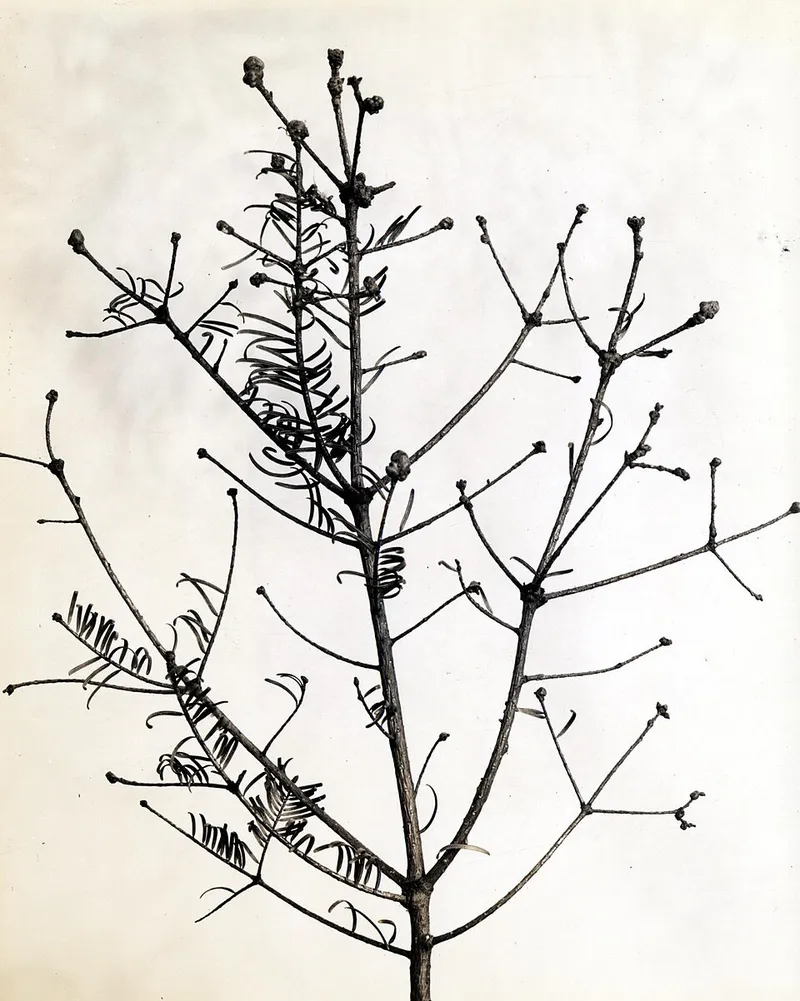
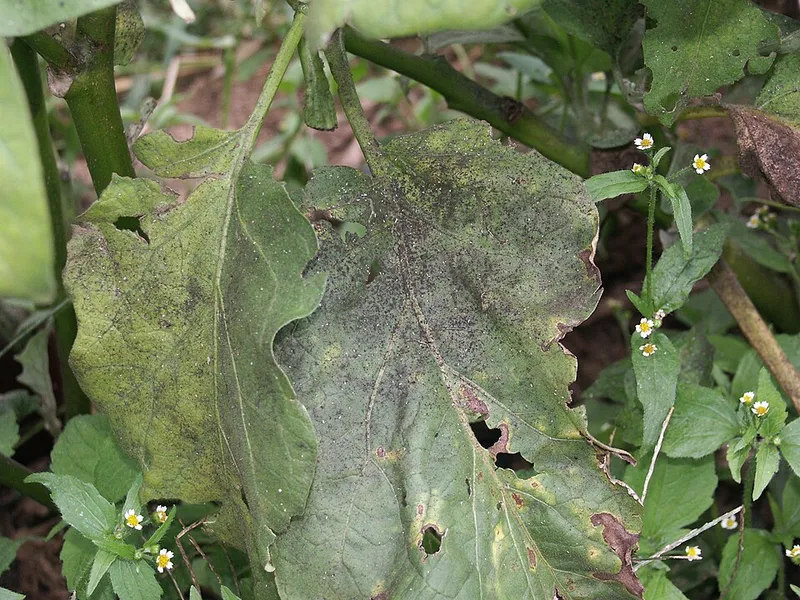
Damage signs: Heavy feeding causes leaf curl, chlorotic stippling, and premature drop on maples. Copious honeydew secretion leads to black sooty mold on leaves and surfaces below infested trees. Severe infestations on young trees can cause branch dieback and stunted growth.
Treatment window: Early spring through late May, before populations peak and before ants establish honeydew-tending relationships that protect colonies. A second treatment window opens in early September if fall populations rebuild.
UT-recommended approach: Insecticidal soap or neem oil applied to leaf undersides controls nymphs effectively when populations are still building. For large established trees, systemic imidacloprid as a soil drench in early spring provides season-long control via uptake. Preserve natural enemies, lady beetles and lacewings provide significant biological control in Middle Tennessee landscapes.
Quick Facts
- Common Name
- Painted Maple Aphid
- Scientific Name
- Drepanaphis acerifoliae
- Category
- Landscape Pest
- Region
- Middle Tennessee