About Crape Myrtle Aphid
The Crape Myrtle Aphid (N/A) is a specialized pest frequently encountered across Middle Tennessee, from the residential landscapes of Franklin to the commercial corridors of Spring Hill. In the Middle Tennessee transition zone (USDA 6b/7a), these aphids thrive in the high humidity and heat of late summer, often appearing on the undersides of foliage before damage is readily visible.
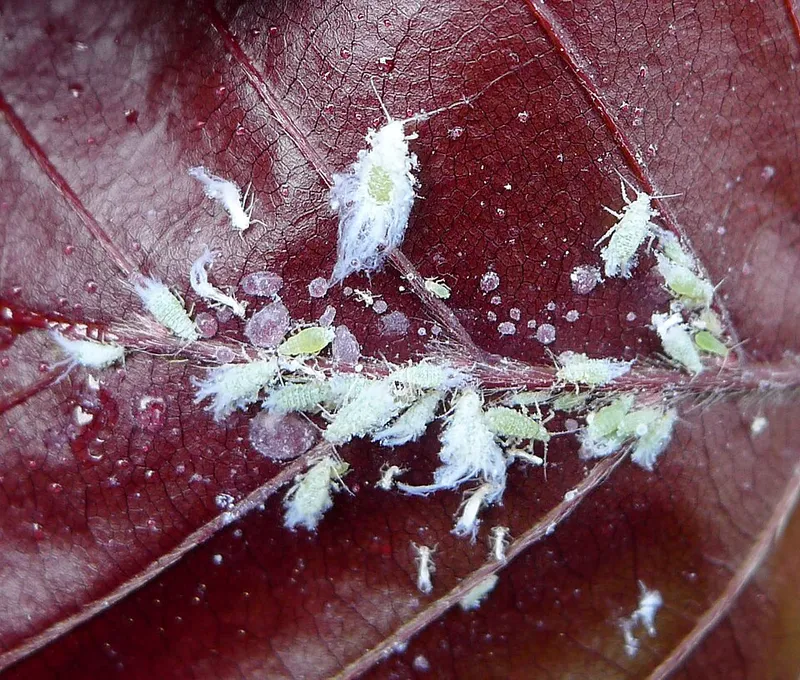
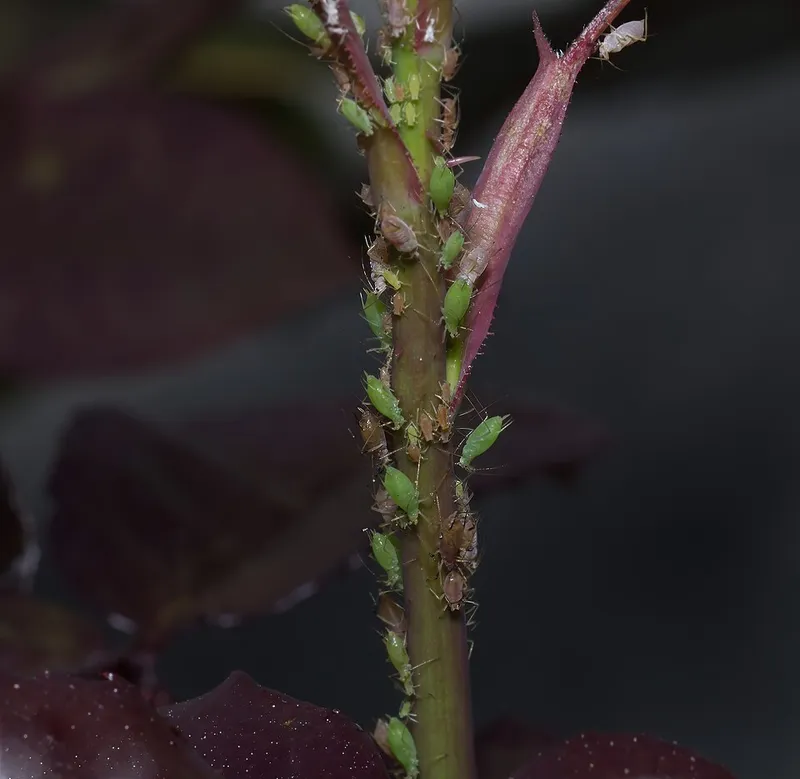
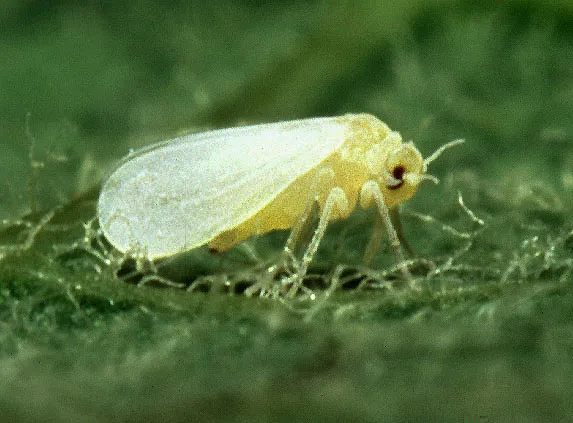
Identification Crape myrtle aphids are minute, soft-bodied insects measuring between 1/16 and 1/8 inch. They are typically pale yellowish-green and are characterized by several prominent black spots on their abdomen. Winged adults feature dark-tipped antennae and two double-pronged humps on their dorsal side.
Life cycle In Tennessee, the life cycle begins in early spring as eggs overwintered in bark crevices hatch, typically coinciding with leaf emergence in April. These insects reproduce asexually during the growing season, which allows populations to spike rapidly with a new generation appearing every 5 to 10 days.
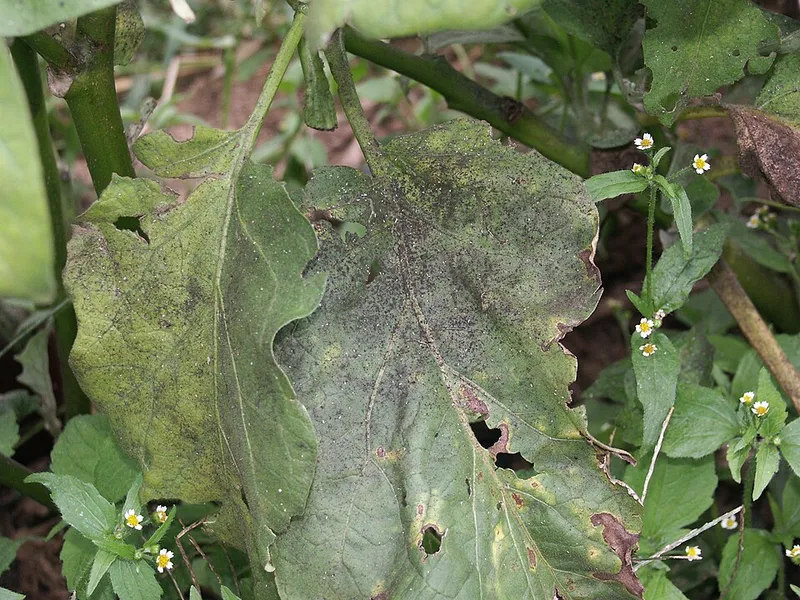
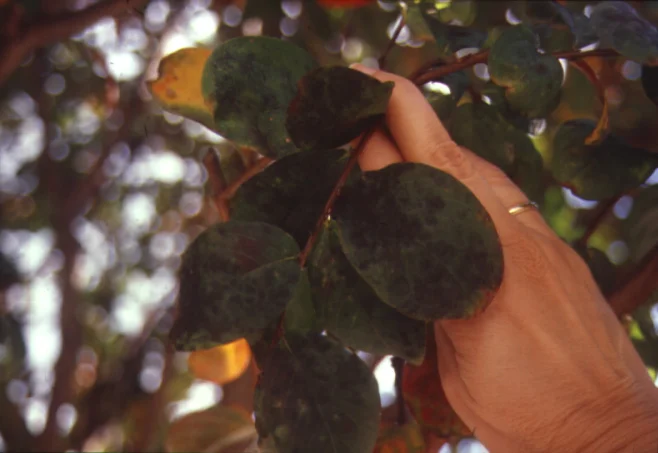
Damage signs Infestations are primarily identified by yellow chlorotic spots on the upper leaf surfaces, mirroring the feeding sites on the undersides. As they feed on sap, the aphids excrete honeydew, a sticky substance that often leads to the growth of black sooty mold. While sooty mold is mostly a cosmetic issue, heavy infestations can reduce photosynthesis and cause premature leaf drop.
Treatment window Monitoring should begin in late spring as temperatures rise. For Middle Tennessee, the most effective treatment window is typically May through July, before honeydew and sooty mold accumulation become widespread on the plant and surrounding surfaces.
UT-recommended approach University of Tennessee Extension recommendations prioritize cultural and biological controls. A forceful stream of water can dislodge aphid colonies and rinse away honeydew. Beneficial insects such as lady beetles, lacewings, and syrphid flies are often present and can manage moderate populations. For chemical control, UT sources suggest insecticidal soaps or horticultural oils, which kill on contact and require thorough coverage of the leaf undersides. If cultural methods fail, a soil-applied systemic insecticide containing imidacloprid can be used in early spring to provide season-long protection, though it should be applied after flowering to protect pollinators.
Quick Facts
- Common Name
- Crape Myrtle Aphid
- Scientific Name
- Sarucallis kahawaluokalani
- Category
- Landscape Pest
- Region
- Middle Tennessee