About Obscure Mealybug
Obscure Mealybug (Pseudococcus viburni)
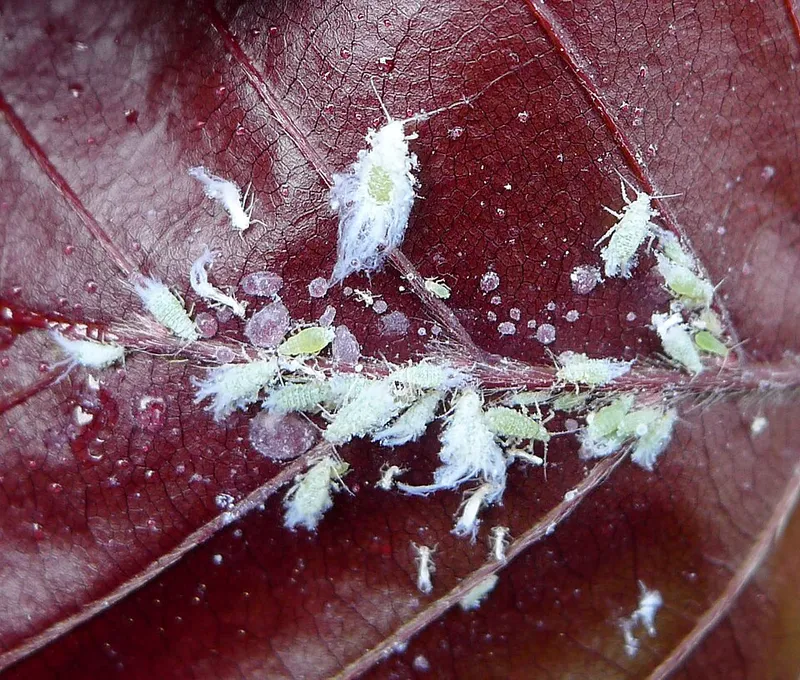
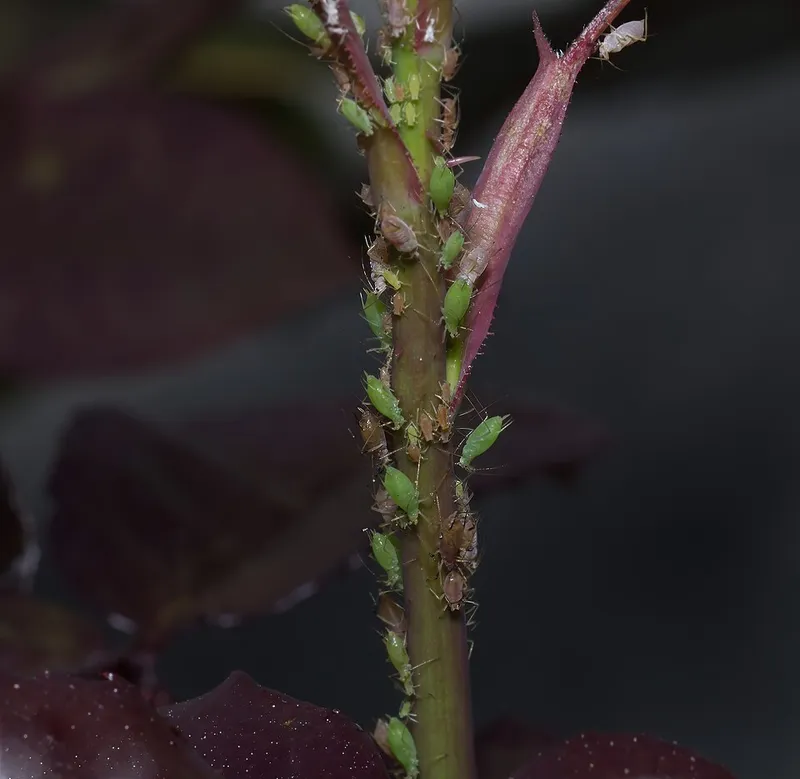
Identification: Soft, oval, 3-5 mm, covered in white mealy wax with short lateral filaments. Colonies accumulate in bark crevices, branch crotches, and on root crowns, making them easy to overlook. P. viburni feeds on a wide host range, ornamental trees, shrubs, and herbaceous perennials including viburnum, euonymus, apple, pear, and many others. Distinguished from other Pseudococcus species by the relatively short cerarii (tail filaments) and host association.
Life cycle: Two to three overlapping generations per year in Middle Tennessee's Zone 6b/7a climate. Overwinters primarily as nymphs in protected bark crevices and at root-soil interfaces. First crawlers emerge April-May; subsequent generations produce crawlers in July and September. Crawlers are the mobile, wax-free first-instar stage, the most vulnerable period for contact insecticide treatment.
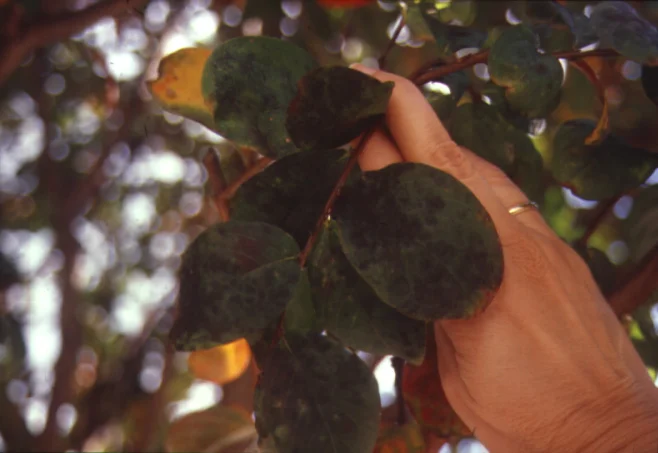
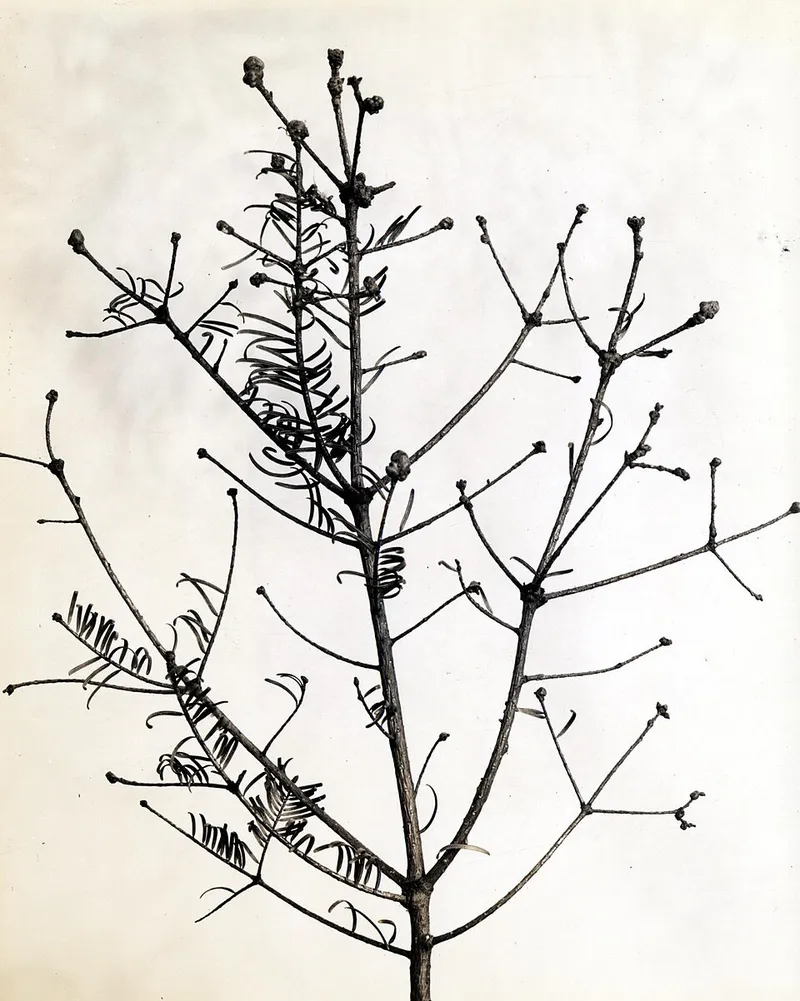
Damage signs: Feeding on phloem causes chlorosis, leaf drop, and stunted growth. Heavy infestations on bark and root crowns can girdle young woody stems. Honeydew supports sooty mold and attracts ants that protect mealybug colonies from natural enemies. Root-feeding populations (obscure mealybug colonizes roots more readily than grape mealybug) are particularly difficult to detect and control.
Treatment window: At first crawler emergence in May, and again in late July targeting second-generation crawlers. Root-zone infestations require soil-applied systemics; above-ground colonies respond to contact + systemic combinations.
UT-recommended approach: Imidacloprid soil drench at crawler emergence provides uptake-based control and reaches root colonies. Insecticidal soap with thorough bark coverage targets crawlers on above-ground surfaces. Rubbing alcohol on a cotton swab removes individual colonies on accessible stems. Monitor for ant activity as an early indicator of mealybug presence.
Quick Facts
- Common Name
- Obscure Mealybug
- Scientific Name
- Pseudococcus viburni
- Category
- Landscape Pest
- Region
- Middle Tennessee