About Lady Beetles
Lady Beetles (Coccinellidae)
Ladybugs, Ladybird Beetles
Found in a wide range of habitats from turf edges to ornamental shrubs and garden beds; most active during warm months when soft-bodied prey populations peak.
Family Coccinellidae encompasses hundreds of species in Tennessee, ranging from 0.1-0.4 inches. The family includes native aphid predators (Coleomegilla maculata, Hippodamia convergens) as well as the introduced multicolored Asian lady beetle (Harmonia axyridis). Adults and larvae are voracious predators of aphids, mites, scale insects, mealybugs, and small caterpillars; a single larva can consume several hundred aphids over its development.
Native region: Multiple native Coccinellidae species occur statewide in Tennessee; Harmonia axyridis (non-native) is now the most commonly encountered species in most landscapes.
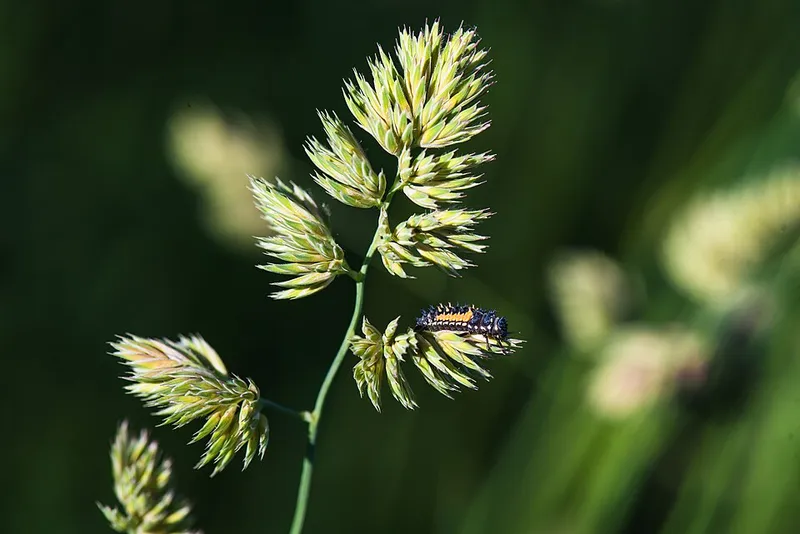
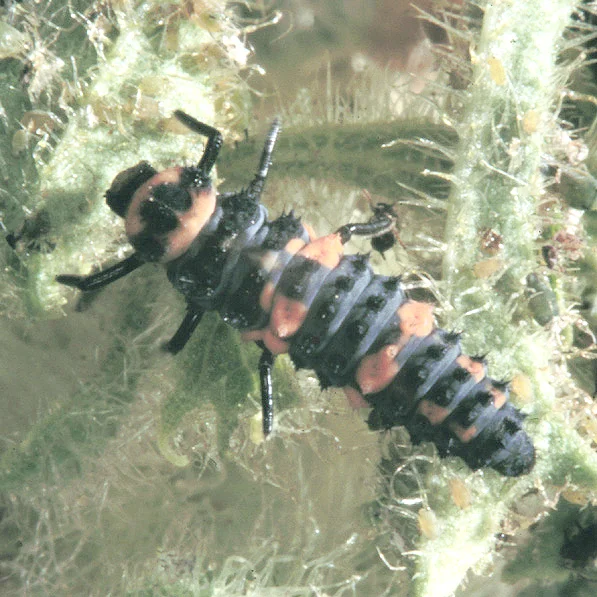
Lady beetle larvae are often misidentified as pests, they are elongated, dark with orange spots, and move actively through plant canopies. Before applying any contact insecticide to aphid-infested shrubs or ornamentals, check for larval activity; a thriving lady beetle population will collapse an aphid outbreak without intervention, typically within two to three weeks. Both adults and larvae are killed by pyrethroid and neonicotinoid applications. In Middle Tennessee landscapes, preserving overwintering sites (leaf litter, bark crevices) supports resident populations through winter.
Quick Facts
- Common Name
- Lady Beetles
- Scientific Name
- Coccinellidae
- Category
- Beneficial Insect
- Region
- Middle Tennessee