About Rose Leafhopper
Rose Leafhopper
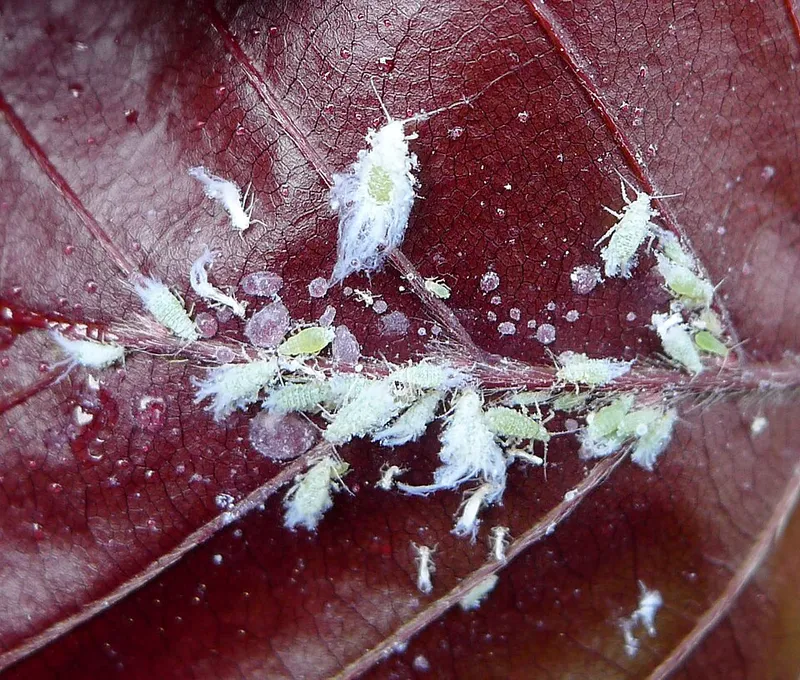
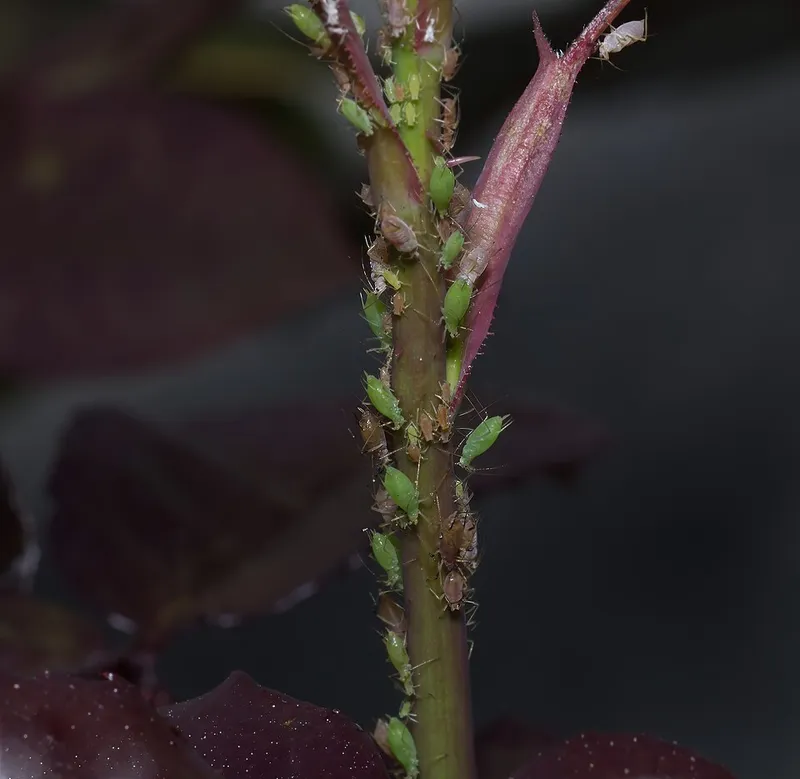
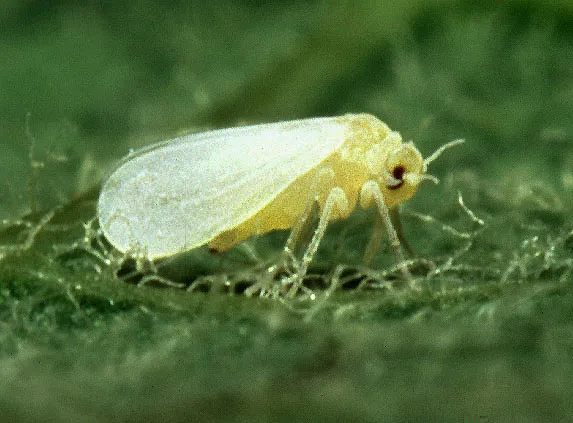
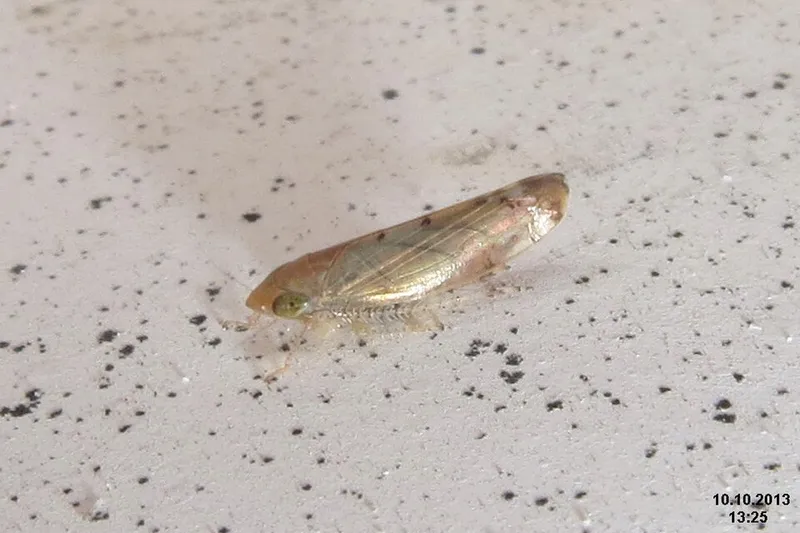
Identification: Edwardsiana rosae · pale yellow to white, 3-3.5 mm, wedge-shaped. Found on the undersides of rose (Rosa spp.) leaves, moving rapidly when disturbed. Occasionally feeds on apple, hawthorn, and other Rosaceae members. Distinguished from other leafhoppers on roses by the combination of pale coloration and host specificity to Rosaceae. Pale cast skins (exuviae) on leaf undersides are a diagnostic indicator of nymph populations.
Life cycle: Two generations per year in Middle Tennessee. Overwinters as eggs inserted into rose canes. First-generation nymphs hatch in late April to May as new growth expands; adults appear by June. Second-generation eggs are laid in summer on leaf tissue; nymphs develop in August-September with adults present through October. Populations are typically higher on roses in full sun with dense foliage.
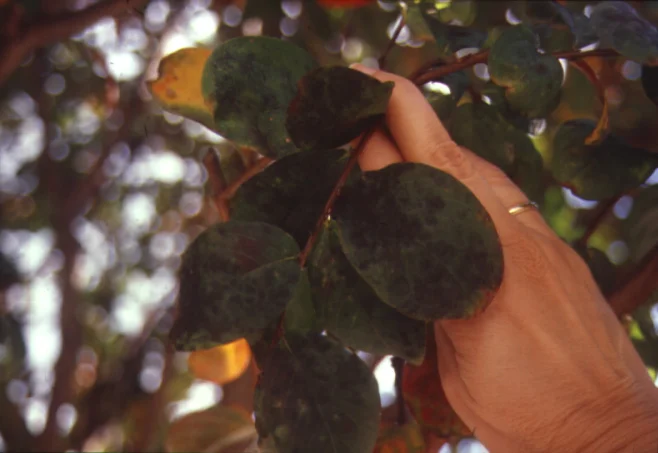
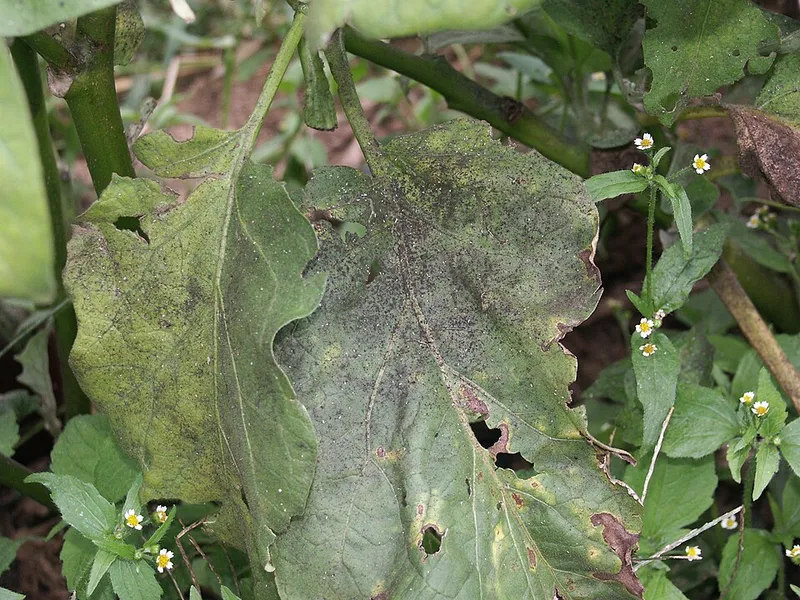
Damage signs: Stippled, pale upper leaf surface from chloroplast destruction at feeding sites, resembles spider mite damage but without webbing. Heavy infestations give foliage a ghostly, washed-out appearance by August. Leaf drop in severe cases. Unlike potato leafhopper, rose leafhopper does not inject a toxin; damage is purely mechanical from feeding punctures.
Treatment window: Late April to May targeting first-generation nymphs on leaf undersides. Second treatment in late July to early August for second-generation nymphs if populations warrant.
UT-recommended approach: Insecticidal soap applied to leaf undersides, nymphs are fully exposed on leaf surfaces and have no protective cover. Avoid broad-spectrum pyrethroid applications that eliminate parasitic wasp populations providing natural control. Systemic imidacloprid soil drench provides season-long residual on specimen roses where repeated contact applications are inconvenient, but should be avoided on blooming plants due to pollinator exposure risk.
Quick Facts
- Common Name
- Rose Leafhopper
- Scientific Name
- N/A
- Category
- Landscape Pest
- Region
- Middle Tennessee