About Rhododendron Lace Bug
Rhododendron Lace Bug
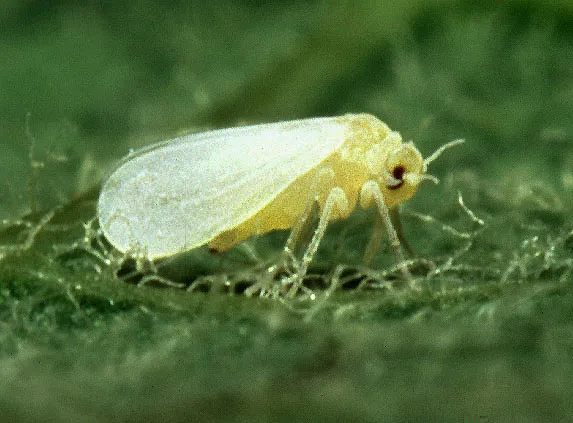
Identification: Stephanitis rhododendri · closely related to azalea lace bug (S. pyrioides) and sharing the same lacy, transparent wing pattern and flat resting posture. Distinguished by host association: S. rhododendri is specific to rhododendron (Rhododendron maximum and related large-leaved species), while S. pyrioides is the azalea specialist. Both species produce identical damage symptoms and the same black fecal deposits on leaf undersides. Confirmation of species requires examining host plant and, if needed, microscopy of wing venation details.
Life cycle: Two generations per year in Tennessee. Overwinters as eggs inserted into midrib tissue of evergreen rhododendron. Hatch occurs in late April to May; nymphs develop through five instars before adulting in June. Second generation adults are present in August-September. Populations are heaviest on rhododendrons grown in full or part sun; deeply shaded specimens rarely sustain damaging infestations.
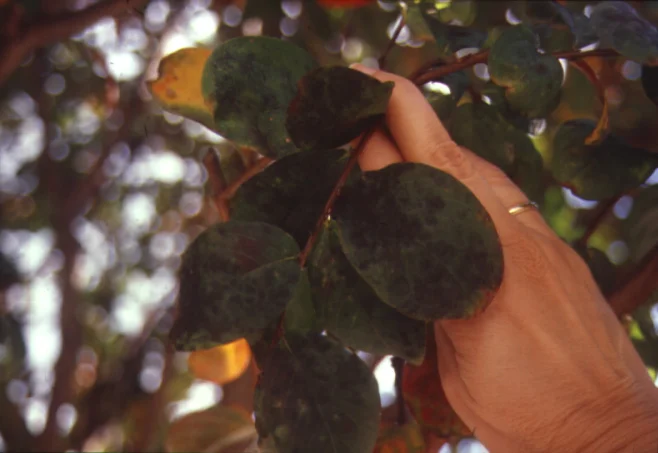
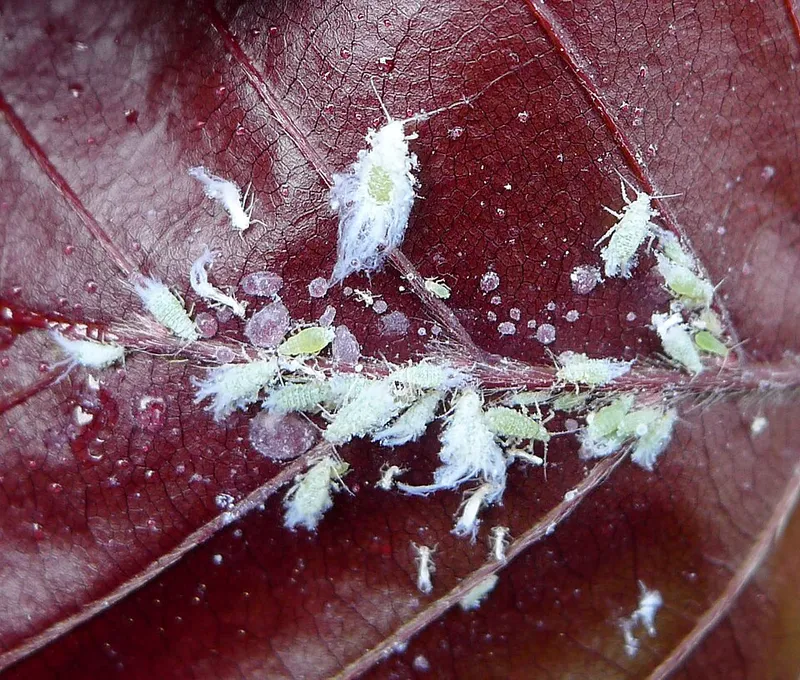
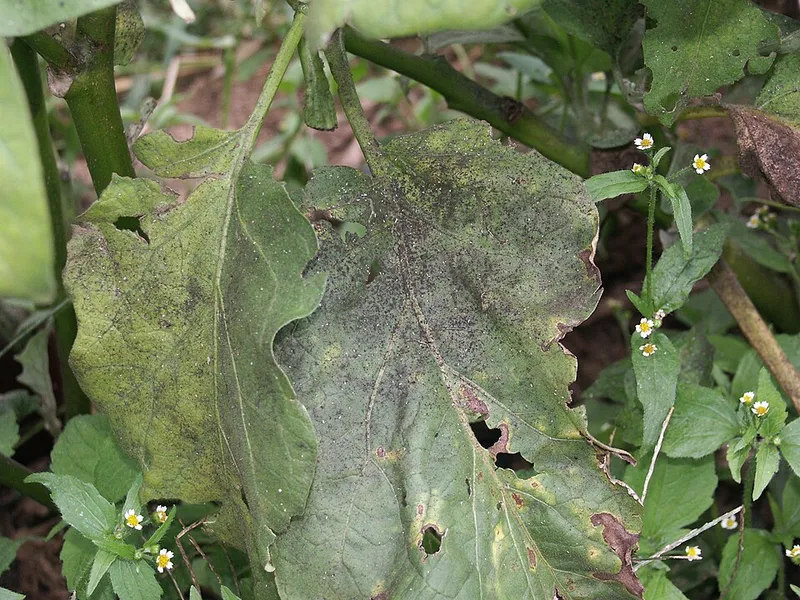
Damage signs: Coarse whitish stippling on upper leaf surfaces progressing to a bleached, bronzed appearance by late summer. Black tar-like fecal deposits and cast nymph skins on leaf undersides are the diagnostic sign separating lace bug injury from spider mite damage (mites do not leave fecal deposits). Severe multi-year infestations thin the canopy and can kill branch sections on large rhododendrons.
Treatment window: Late April through May targeting first-instar nymphs. Follow-up in late July to early August for second-generation nymphs.
UT-recommended approach: Systemic imidacloprid soil drench in early spring provides season-long protection for valued specimen rhododendrons. Contact applications (insecticidal soap or horticultural oil) to leaf undersides at nymph hatch. Rhododendrons in Middle Tennessee perform best in part shade with consistent moisture, proper siting reduces lace bug pressure and improves overall plant vigor in Zone 6b/7a heat.
Quick Facts
- Common Name
- Rhododendron Lace Bug
- Scientific Name
- N/A
- Category
- Landscape Pest
- Region
- Middle Tennessee