About Redbay Ambrosia Beetle
Redbay Ambrosia Beetle (Xyleborus glabratus)
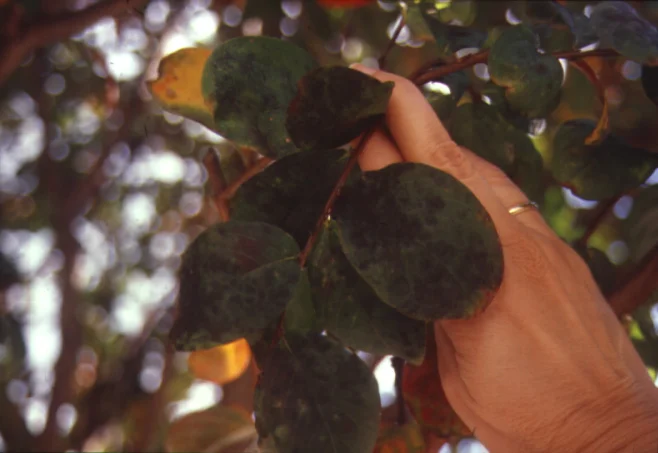
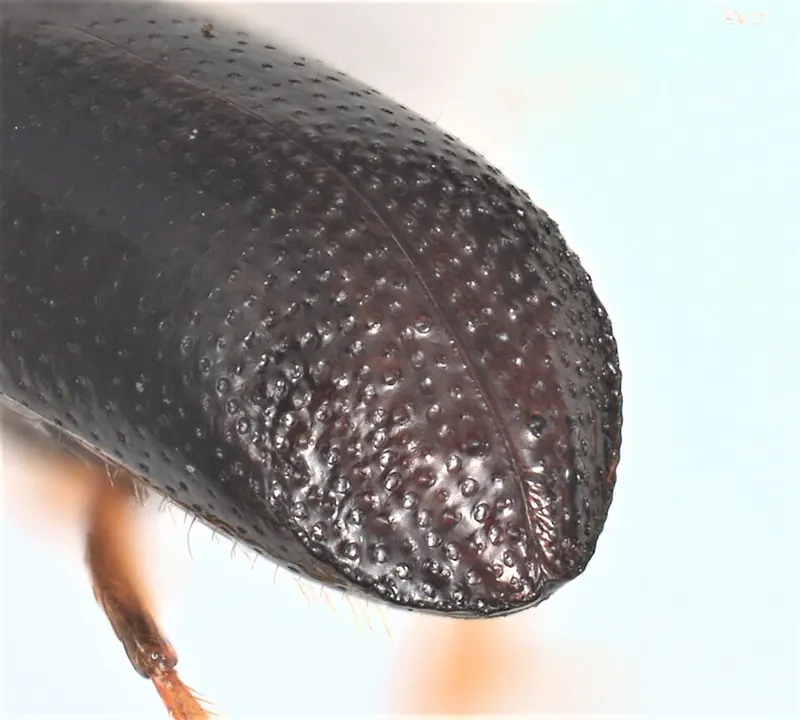
Identification: Adults are very small, 1.5-2 mm, dark brown to black, cylindrical, and strongly resembling other ambrosia beetles in the Scolytinae subfamily. Identification is typically confirmed by the associated disease symptom rather than beetle morphology: the beetle vectors Raffaelea lauricola, the fungal pathogen causing laurel wilt disease. The primary diagnostic sign is sudden, dramatic wilting and reddish-brown to purple discoloration of foliage on susceptible Lauraceae hosts within days of infection, far more rapid than typical bark beetle crown decline.
Life cycle: Adults fly primarily spring through fall, with peak activity March-May during warm periods. Females bore small entrance tunnels (1-2 mm diameter) into the xylem of host trees, inoculating the sapwood with R. lauricola fungal spores. The fungus colonizes the vascular tissue, causing systemic wilt within days to weeks. Host plants die rapidly, this extreme virulence to naïve North American Lauraceae hosts is what makes this beetle a significant threat despite its small size.
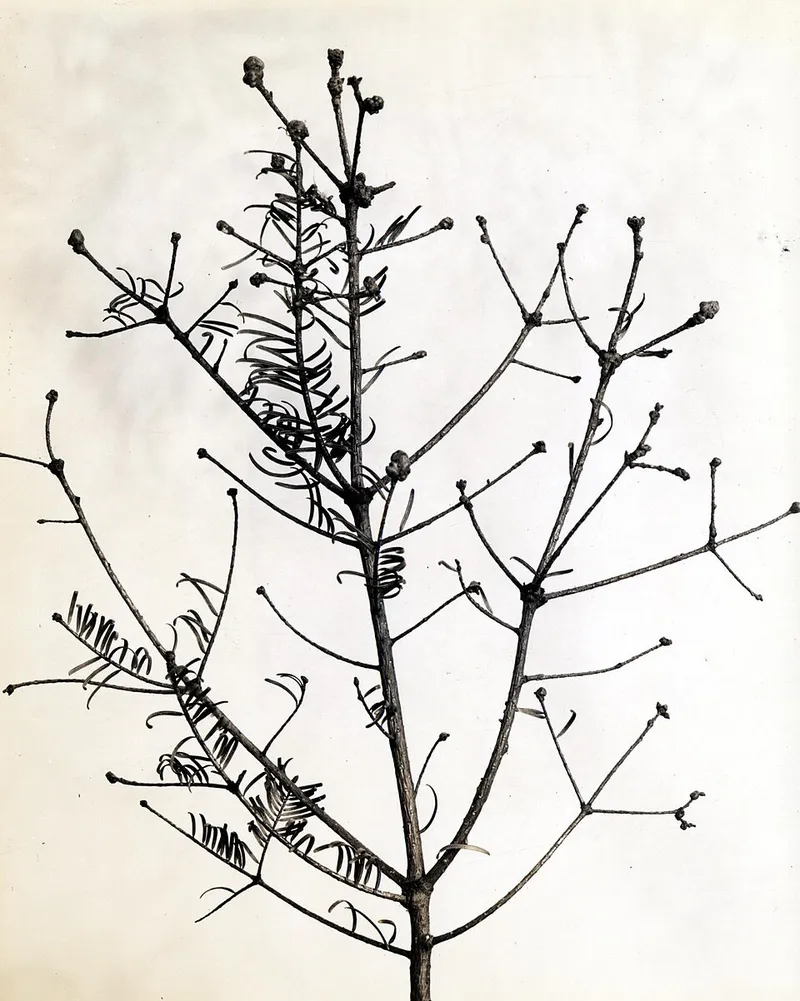
Damage signs: Sudden wilting with retained brown to reddish-purple discolored leaves (leaves do not fall immediately). Dark blue-black to purple staining in the sapwood visible in cross-section. Toothpick-like frass tubes at boring sites. Susceptible hosts in Tennessee include sassafras (Sassafras albidum) and spicebush (Lindera benzoin), both common in Middle Tennessee woodland edges and naturalized plantings in the I-65 corridor.
Treatment window: No effective curative treatment once laurel wilt is established in a tree. Prevention and monitoring focus on early detection and removal of infected trees before the beetle completes development and spreads.
UT-recommended approach: Remove and chip (do not leave as slash) infected trees immediately upon identification to reduce inoculum and beetle breeding material. Avoid moving host-species wood from areas with confirmed laurel wilt. Sassafras and spicebush near woodland edges in Maury County and surrounding areas should be monitored annually for sudden wilting symptoms.
Quick Facts
- Common Name
- Redbay Ambrosia Beetle
- Scientific Name
- Xyleborus glabratus
- Category
- Landscape Pest
- Region
- Middle Tennessee