About Spicebush
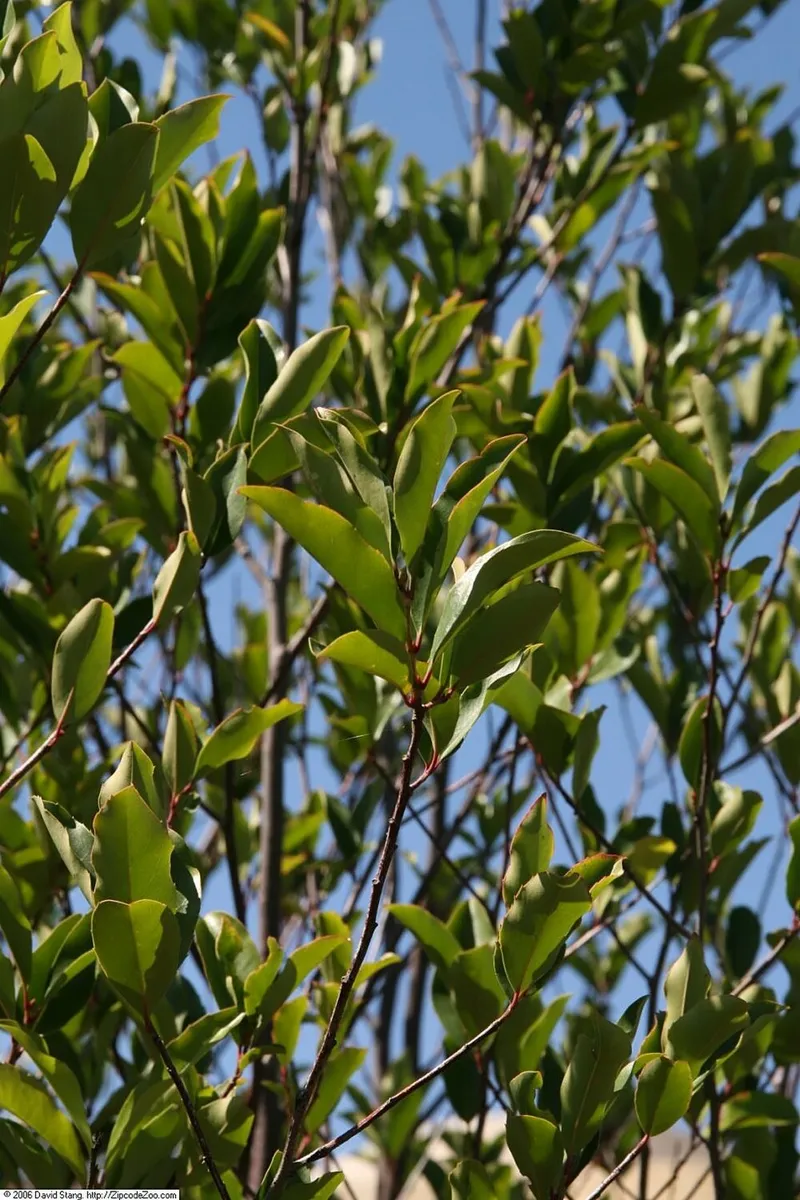
Spicebush (Lindera benzoin)
Common Spicebush, Wild Allspice, Northern Spicebush
Part to full shade, moderately moist to wet, tolerates clay and periodic flooding; pH 4.5-7.0; moderate drought tolerance in shade but declines in hot, dry, exposed sites.
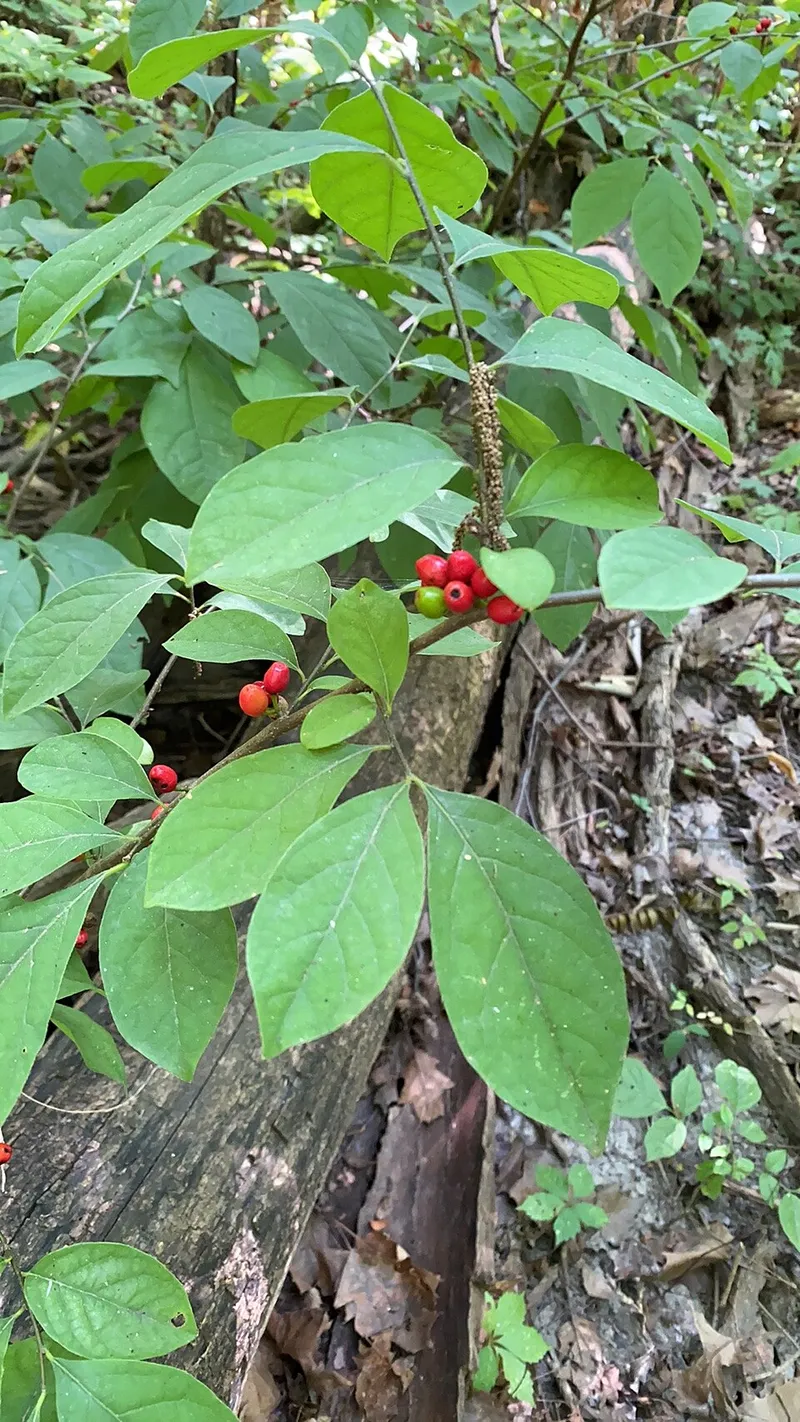
6-12 feet tall and wide; blooms March-April before leaf emergence with clusters of tiny yellow flowers on bare stems; dioecious, red drupes ripen on female plants in August-September; aromatic foliage, bark, and fruit; deciduous with clear yellow fall color.
Growth rate: slow to medium. Propagation: difficult from seed (double dormancy); softwood cuttings moderately difficult; plant both sexes for fruit production.
Native region: Native to Tennessee; common statewide in moist deciduous woodlands, stream margins, and bottomland forests; particularly abundant in Middle Tennessee river corridor woodlands.
Spicebush is one of the most ecologically important native shrubs in Middle Tennessee landscapes. It is the sole larval host plant for the spicebush swallowtail (Papilio troilus) and also hosts the promethea silkmoth (Callosamia promethea), no substitute host exists for either species. The combination of early spring bloom (a critical nectar source before most other shrubs break dormancy), summer fruit for fall migrants including wood thrushes and veeries, and deep shade tolerance makes this plant functional across all three seasons. Planting a minimum of two or three individuals, ideally one male for every two females, ensures fruit set. No significant pest or disease problems affect established plants. Spicebush fits naturally under large oaks and tulip poplars along property boundaries where conditions are too shaded for most flowering shrubs.
Quick Facts
- Common Name
- Spicebush
- Scientific Name
- Lindera benzoin
- Plant Type
- Shrub
- Region
- Middle Tennessee