About Broad Mites
Broad Mites
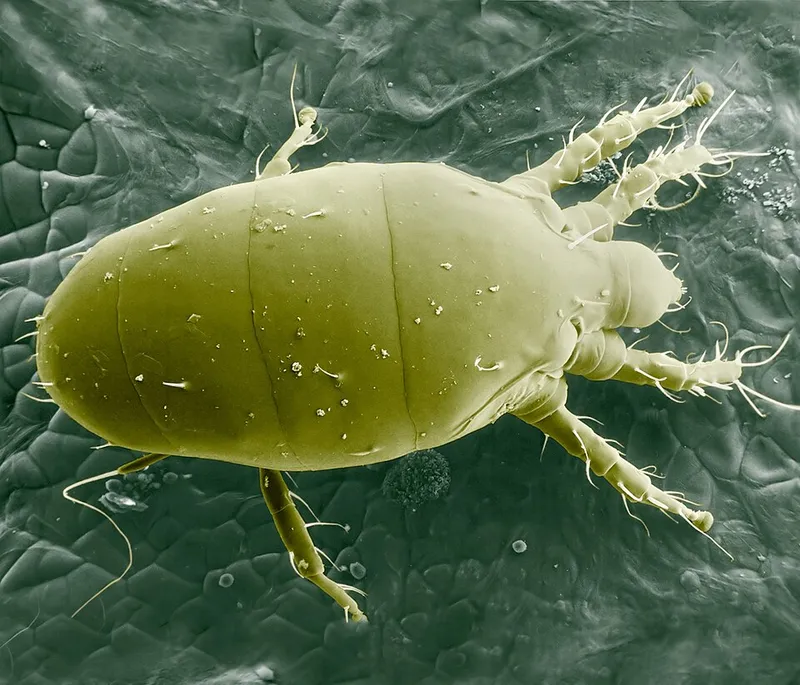
Identification: Polyphagotarsonemus latus, the broad mite, is a tarsonemid mite, extremely small (0.1-0.2 mm), oval, cream to pale yellow, and invisible without a hand lens. Eggs are distinctive: oval, white, with rows of white tubercles on the surface. The mite feeds on young, expanding plant tissue and actively avoids mature leaves, so symptoms appear on new growth only. Hosts in landscape and nursery settings include azalea, rhododendron, impatiens, begonia, cyclamen, pepper, and many ornamental herbaceous plants.
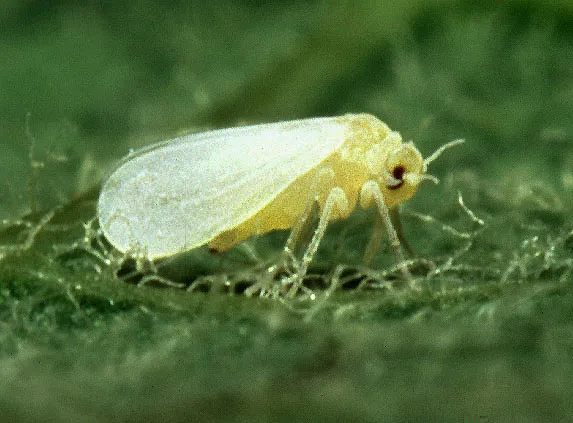
Life cycle: Multiple generations per year; the full cycle from egg to adult takes only 4-7 days under warm, humid conditions, enabling explosive population growth. Active year-round in Tennessee greenhouses; in landscape settings, populations build from spring through fall on susceptible hosts, peaking in summer. Broad mites are spread largely through dispersal on greenhouse whitefly adults and on contaminated plant material from nurseries, incoming nursery stock should be inspected before installation.
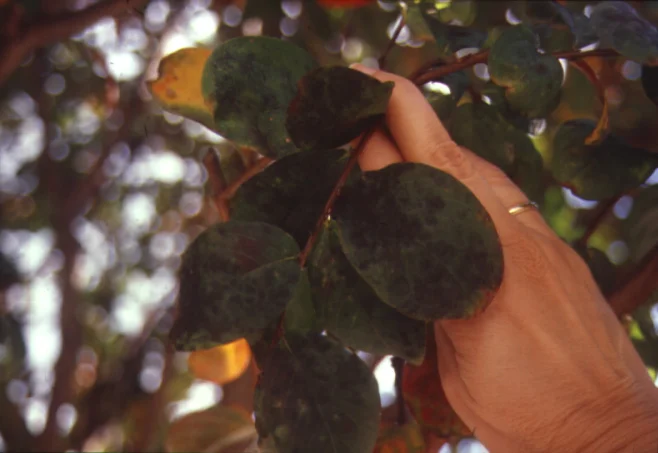
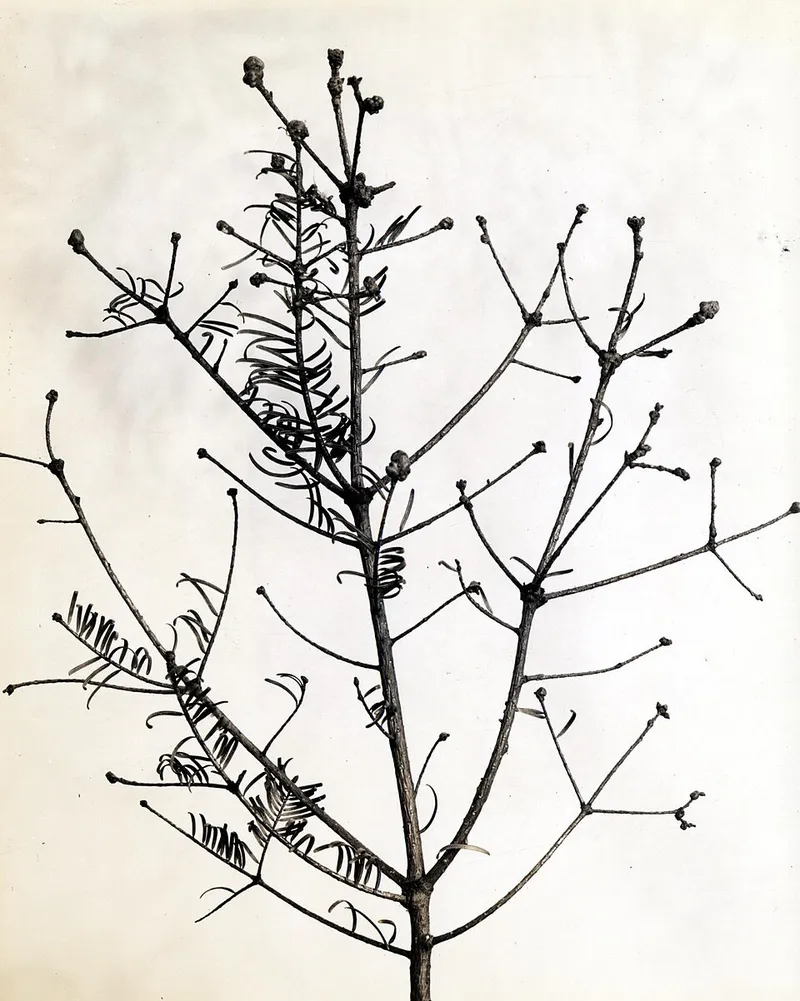
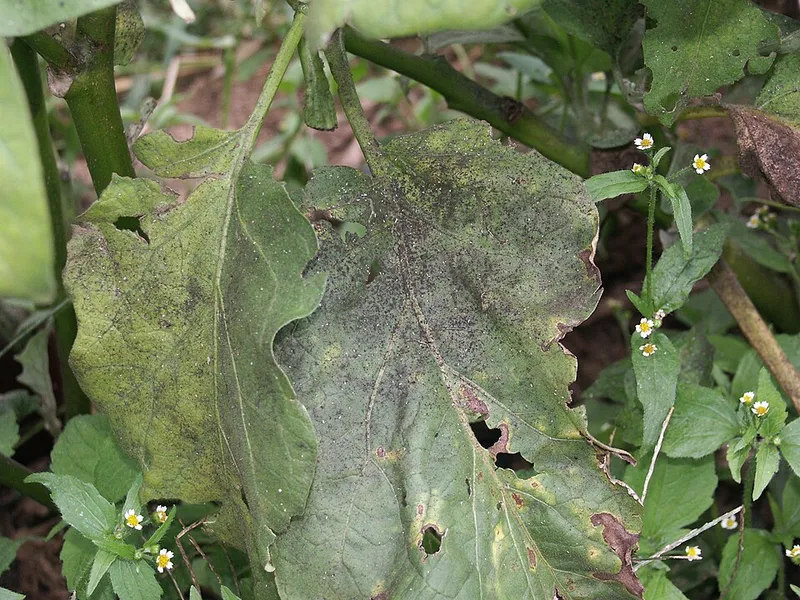
Damage signs: Restricted entirely to new growth: distorted, cupped, or downward-rolled young leaves; bronzed or russeted expanding foliage; stunted growing tips; shortened internodes. Symptoms are often confused with herbicide drift, nutrient deficiency, or viral damage because no visible mite or webbing is present. The restriction of damage to new tissue while mature leaves appear normal is the critical diagnostic characteristic. On azaleas in Middle Tennessee, broad mite damage to new growth in spring and early summer is frequently misidentified as frost injury.
Treatment window: At first appearance of distorted new growth in spring or early summer. Repeated applications at 7-day intervals are necessary given the rapid life cycle.
UT-recommended approach: Abamectin is the most effective miticide against broad mites and provides knockdown within days. Sulfur-based miticides and horticultural oil are alternative options. Thorough coverage of growing tips is essential, the mite concentrates in tightly rolled or protected young tissue. Discard heavily infested nursery transplants rather than treating to avoid introducing the pest to established landscape plantings.
Quick Facts
- Common Name
- Broad Mites
- Scientific Name
- N/A
- Category
- Landscape Pest
- Region
- Middle Tennessee