About Greenhouse Whitefly
Greenhouse Whitefly (Trialeurodes vaporariorum)
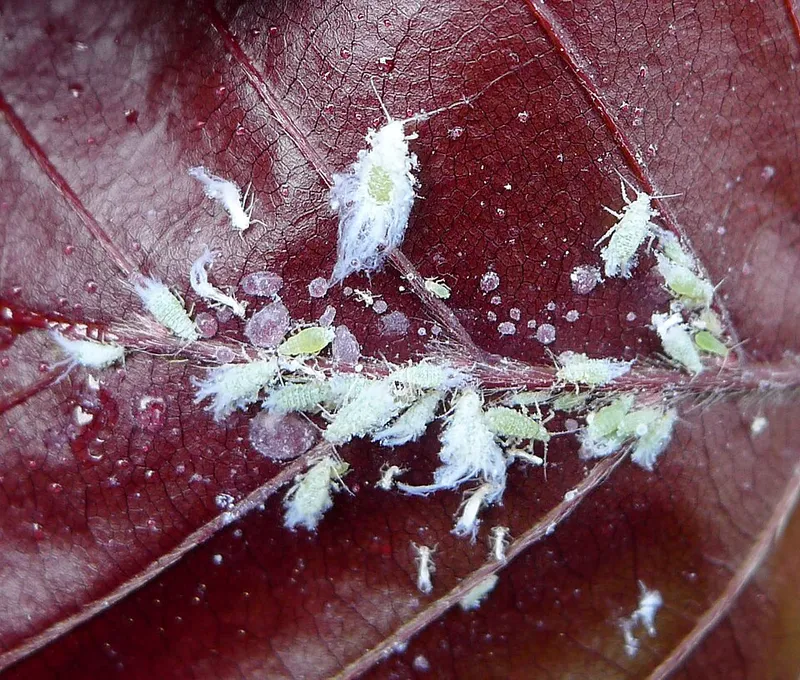
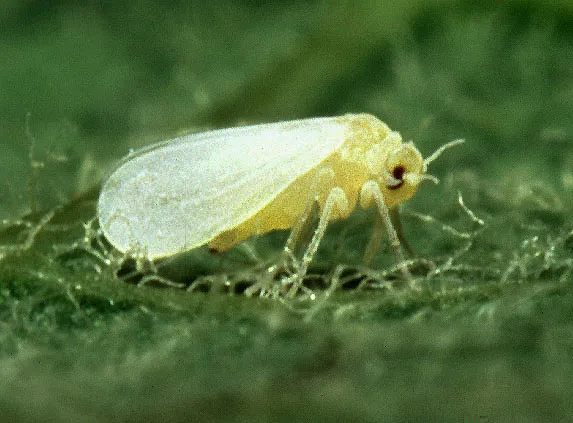
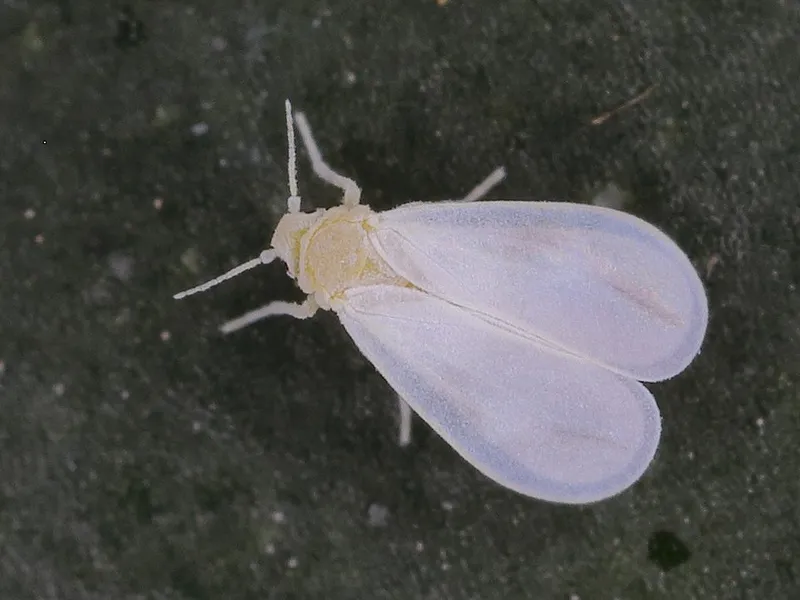
Identification: Adults 1.5 mm, white, with two pairs of waxy white wings held horizontally flat over the body, this horizontal wing posture distinguishes T. vaporariorum from the silverleaf whitefly (Bemisia tabaci), which holds wings tent-like at an angle. Immature scales (nymphs) are flat, oval, pale green to translucent, found on leaf undersides. The waxy, flat scale nymphs are easily overlooked; adults flush from foliage in a white cloud when disturbed. Polyphagous, hosts include tomato, cucumber, fuchsia, impatiens, begonia, salvia, and most greenhouse and tender ornamentals.
Life cycle: Continuous generations in warm conditions; in Tennessee landscapes, active from transplant installation in May through the first frost. The full cycle from egg to adult takes 25-30 days at 70°F, shorter in summer heat. Eggs are laid in circular patterns on leaf undersides. Fourth-instar nymphs are non-feeding pupal-like stages. Populations establish on transplants from nurseries and greenhouses, where the pest is endemic, and spread to adjacent landscape beds. Warm, still conditions and high plant density favor rapid population increase.
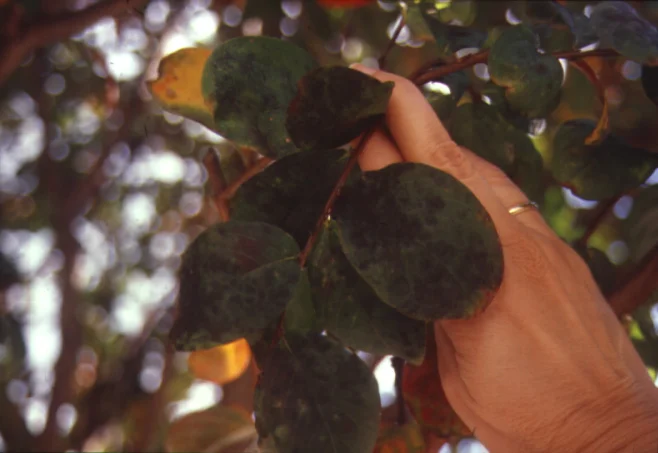
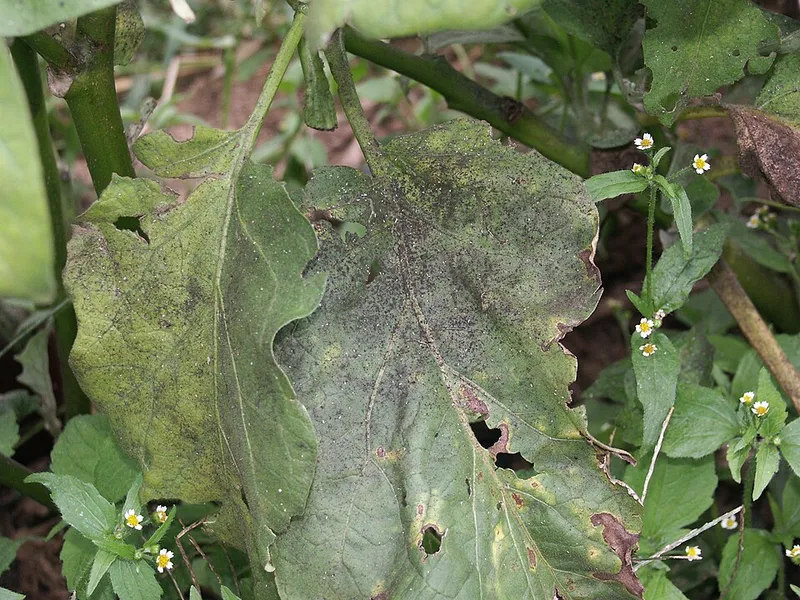
Damage signs: Yellowing, mottled foliage from phloem feeding. Honeydew deposits supporting sooty mold on leaves and below infested plants. White adult clouds when plants are disturbed. Scale nymphs on leaf undersides, visible as pale oval specks. Fuchsia, impatiens, and annual salvia in shaded to part-shade beds are heavily infested by mid-July in Middle Tennessee. Infested transplants introduced from retail nurseries in May can seed entire beds by midsummer.
Treatment window: At first adult detection in late May to June, before populations establish on multiple host plants. Inspect the undersides of new transplants before installation.
UT-recommended approach: Insecticidal soap or neem oil applied to leaf undersides at 7-day intervals targets nymphs and adults; multiple applications are necessary because eggs and late-stage nymphs are less susceptible. Systemic imidacloprid soil drench at transplant establishment provides residual protection through the season but should not be used on plants in bloom due to pollinator exposure risk. Yellow sticky traps monitor adult populations and confirm treatment efficacy.
Quick Facts
- Common Name
- Greenhouse Whitefly
- Scientific Name
- Trialeurodes vaporariorum
- Category
- Landscape Pest
- Region
- Middle Tennessee