About Minute Pirate Bug
Minute Pirate Bug (Orius insidiosus)
Insidious Flower Bug
Found in flowers, corn silks, and vegetable foliage; most abundant from late spring through summer; overwinters as an adult in leaf litter and bark.
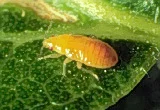
Orius insidiosus adults are tiny, 0.08-0.12 inches, black-and-white, oval, with a characteristic triangular head and piercing beak. Despite its size, this species is one of the most voracious predators of thrips in North American agricultural and garden systems. A single adult can consume 30 or more thrips nymphs per day, along with spider mite eggs, aphids, small whiteflies, and insect eggs. Both nymphs and adults are aggressive hunters; nymphs are entirely predatory from first instar.
Native region: Orius insidiosus is native and widely distributed throughout Tennessee; population density is highest in diverse plantings with open flowers.
In Middle Tennessee ornamental and vegetable gardens, Orius insidiosus is the primary natural check on western flower thrips (Frankliniella occidentalis) and onion thrips (Thrips tabaci), both of which damage hostas, impatiens, and many vegetable crops under high humidity conditions. Adults are commercially produced for greenhouse biocontrol but are equally present in outdoor landscapes when diverse flowering plants support them year-round. Spinosad, which is used to control thrips, has moderate toxicity to Orius; pyrethroids and organophosphates are lethal. Maintaining flowering plants such as marigolds, zinnias, and fennel near ornamental beds sustains Orius populations throughout the growing season.
Quick Facts
- Common Name
- Minute Pirate Bug
- Scientific Name
- Orius insidiosus
- Category
- Beneficial Insect
- Region
- Middle Tennessee