Fall seeding season is here.

UT Certified Lawn Care Professional Tennessee Turfgrass Association Member Turfgrass Water Conservation Alliance Member Nextdoor Neighborhood Favorite BBB A+ Accredited

Williamson County · Aeration

Core Aeration & Liquid Aeration Service in Triune, TN

Professional core aeration & liquid aeration service for Triune homeowners, delivered by Middle Tennessee's UT Certified lawn treatment specialists.

Aeration for Triune Homeowners

A spring pass does something real.

Triune is one of those places people drive through without realizing they did it. Half the folks who call me out here tell me they live in Arrington, or College Grove, or Franklin, and nobody corrects them. What is actually happening in Triune is that land is getting sold and HOAs are going up on it, so a good share of the lawns I walk are only a few years old and sitting on ground that had heavy equipment parked on it recently. That is exactly the profile somebody will try to sell a spring aeration against. It does less than the pitch, and it does it for about six weeks. Here is how to tell whether your yard is one of the ones it actually pays on.

The Triune Aeration Guide

I am not going to talk you out of that. I am also not going to pretend it lasts. A few weeks is normal and six is the outside edge I have seen, and then it is over.

AJ, UT Certified Lawn Care Professional

01

What a spring pass actually does to a fescue lawn

Spring is the one window where the plant is set up to take this kind of injury and answer it. Tall fescue (Festuca arundinacea) is pushing root and shoot at the same time, soil temperature is climbing, and pulling several thousand plugs out of a lawn is something a healthy stand shrugs off. I have run spring aerations on my own turf to see what happens, and what happens is a legitimate green-up. Darker color, a visible flush of growth, water soaking in across the top few inches instead of running off toward the ditch.

What carries a Williamson County fescue lawn through July is root depth, cultivar genetics, mowing height, and whether the brown patch (Rhizoctonia solani) program holds once night temperatures sit above 75 degrees and dew keeps the canopy wet twelve hours a day. Cores do not buy heat tolerance. A spring aeration will not change what your yard looks like two months later unless you seeded with it.

02

Compaction on ground that recently had machinery on it

Core aeration is the only practical way to relieve compaction without wrecking the lawn to get there. Everything else that genuinely loosens soil, tillage or a full renovation, kills the grass on the way through. So when compaction is real, cores are the correct tool, and I will not sign onto the line that aeration does nothing for it.

Two honest qualifiers. The first is density. Research measures cultivation in cores per square foot, not in passes. K-State puts effective cultivation at 15 to 30 cores per square foot, and one pass with a commercial spoon aerator delivers roughly half that or less. Two to three passes is what moves the number. Going from one cultivation event a year to three cut soil bulk density 5 to 9 percent and surface hardness 5 to 19 percent. Real, modest, and repetition-dependent. I walked through the core-density research here.

The second is duration. Our clay closes the holes in weeks, not seasons. It swells, settles, and takes its shape back.

Then the part nobody selling aeration mentions: genuinely destructive compaction is uncommon in a lawn. Nature works against it constantly through root channels, soil biology, and the freeze-thaw cycling a Zone 6b to 7a winter delivers. Real compaction is almost always something people did, concentrated repeated traffic across the same footprint. A newer Triune lot that had grading equipment running over it qualifies, and cores help there. But once the machines leave and nobody is re-compacting it, roots and winter go to work on their own. Most of what gets called compacted soil around here is heavy clay behaving like heavy clay: tight when dry, slow to drain, hard underfoot in August. No amount of aeration turns that into loam.

15-30

cores per square foot for effective cultivation

0%

fewer cores per square foot from big box tow-behind units

10-15%

better establishment from the holes on a typical lawn

03

The Triune yards that earn a spring pass

Two of them, mostly. The first is the house that hosts. If you have thirty pairs of shoes on the same forty feet of backyard every other weekend, you are re-compacting that ground faster than the winter undoes it. The second is the kid who practices. A soccer player on the same patch every evening from March through November packs soil the way nothing natural does. Dog runs belong in the same bucket.

Those lawns get spring plus fall, which puts them at two cultivation events a year, and I will pull two or three passes rather than one because the core density is the entire point. On a yard like that I am not selling color. I am maintaining a surface that somebody is deliberately wearing out.

If that is not your yard, a spring aeration buys a few weeks of green. That is a real thing to purchase. It is not a lawn improvement, and I would rather you know that before you write the check.

04

Spring cores raise crabgrass pressure, so the timing matters

Pulling cores in spring pushes crabgrass (Digitaria sanguinalis) pressure up. You are opening soil and putting buried seed in contact with light right as soil temperatures cross the germination threshold, and you are punching straight through your pre-emergent barrier, which is a thin chemical layer sitting in the very top of the profile. Aerate over a single February application and there is a fair chance you spend June looking at crabgrass growing out of the holes.

That is not an argument against spring aeration. It is an argument for having it done by somebody whose weed program can absorb it. Mine runs two pre-emergent passes, so I can sequence cores against applications instead of tearing the barrier open and hoping. That scheduling is the whole difference between a spring aeration that costs you nothing in weed pressure and one that costs you the summer.

05

How I pull cores, and what liquid aeration honestly contributes

Parallel passes, then a second set at 45 degrees to the first. Never circles. Circles crowd cores toward the inside of the turn and starve the outside radius, and if seed is involved you will read that pattern from the road for a season. Forty-five degrees beats a 90-degree crosshatch because a diamond puts more holes per square foot on the ground than a square grid does.

Doing it yourself, rent the walk-behind. Those are heavy enough to pull a real two inch core and a homeowner gets a decent job out of one. The tow-behind units sold at the big box stores are a different machine: not enough weight to penetrate clay and tine spacing wide enough that you end up with about 70 percent fewer cores per square foot than commercial equipment. Water the night before either way.

Term, Defined

Liquid aeration

Liquid aeration rides along with the cores, and I will tell you what it does rather than what it gets marketed as. It holds moisture in the top of the soil profile. Paired with seed, that changes how fast germination happens, not how much of it happens, which matters on the Triune properties running no irrigation at all. On a standalone spring pass with no seed going down, moisture retention in the top few inches is the whole story. Same answer for the rest of that aisle: bugs in a jug, peptides, liquid micronutrients, carbon. Grass does not need those things.

06

Why most of my aeration still happens in September

I own the machine because it is the least aggressive way on earth to put seed in contact with soil, and that work belongs to fall. Most of my volume is aeration paired with seeding, sold in late summer and run with the early fall treatment.

Here is the honest accounting of what holes contribute. Throw seed on open ground with no aeration and most of it comes in fine. I have never seen an oak drop an acorn with a core aerator attached to it. In my experience the holes buy something like 10 to 15 percent better establishment on a typical lawn. Where they change the outcome completely is under a mat, common Bermuda (Cynodon dactylon) woven across the surface, heavy thatch, leaf litter. There it runs closer to 75 or 90 percent, because a hole is the only route seed has to reach dirt.

How often you need it is decided by genetics, not by your soil. A stand on old cultivar genetics is on an annual reseed clock. Modern improved cultivars average about every three years. This matters more in Triune than most places, because a house on a former field was almost certainly seeded with a contractor blend, and contractor blends are old genetics from day one. Upgrading the stand cuts the reseeding frequency by roughly two thirds. The three tall fescues I blend, Traverse 2 SRP, 4th Millennium SRP, and Triad, all sit on UT Extension's list of statistically top-performing tall fescues for Tennessee out of the NTEP trials, with Barvette HGT supplying the rhizome repair fescue cannot manage alone. The genetics case is laid out here.

So if you call me in March and yours is not a traffic lawn, my answer is not no

It is that the same money buys a great deal more in September.

Why Aeration Matters in Triune

Middle Tennessee fescue lawns thin every single summer. The combination of heat stress above 90°F and the region's persistent fungal pressure, brown patch and dollar spot thriving in our humid, dew-soaked conditions, means fescue loses density every year without exception. That thinning is why annual overseeding is not optional here; it is essential maintenance. Core aeration is the best way to prepare for fall overseeding without damaging the existing grass stand, and fall is when fescue naturally wants to recover and grow. The clay soils throughout Maury, Williamson, and Davidson counties do compact and benefit from the physical channels aeration creates, but the real Middle Tennessee reason to aerate is to set up the best possible overseeding result.

What's Included in Our Aeration for Triune

  • Full-property core aeration with professional-grade equipment
  • Deep, clean soil cores (2.5 - 3 inches)
  • Double-pass aeration in high-traffic or heavily compacted areas
  • Marking of irrigation heads and invisible fences (if requested)
  • Coordination with fall overseeding (recommended)
  • Post-aeration care instructions

Free Aeration Quote

Get a customized core aeration & liquid aeration service plan for your Triune property.

Request a QuoteOr call (615) 490-4082

UT Certified Lawn Care Professional

Tennessee Turfgrass Association Member

Turfgrass Water Conservation Alliance Member

Nextdoor Neighborhood Favorite

BBB A+ Accredited

Aeration in Triune · FAQ

Should I aerate my Triune lawn this spring?

Only if it is genuinely trafficked. Spring is the season the plant handles the mechanical stress best, and you will get a real green-up that runs a few weeks and six at the outside. It will not change what the yard looks like in July unless you seeded with it. The lawns I say yes to are the ones being worn out on purpose: the house that hosts every other weekend, the kid on the same patch every evening, a dog run. Everyone else gets more out of putting that money toward a fall aeration and seeding.

My Triune house is new construction. Is the soil compacted from the build?

Probably some, and that is one of the few situations where the compaction argument is honest, because grading equipment is exactly the kind of concentrated repeated traffic that causes real compaction. Cores are the only remedy that does not kill the lawn getting there. Two caveats: it takes 15 to 30 cores per square foot to do anything measurable, which is two or three commercial passes, and Williamson County clay closes the holes back up in weeks. On a new build the bigger problem is usually the contractor seed you inherited, not the soil.

Can I aerate and seed in the spring instead of waiting until fall?

I would not. Spring seeding drops a seedling with a few weeks of root into its first Middle Tennessee summer, and it forces you to choose between seeding and your crabgrass pre-emergent, because the chemistry that stops crabgrass stops fescue too. What you do in fall determines what the lawn survives the following summer. Fescue seeded late August into September has the root depth to prove it. If your yard is thin right now, a spring aeration does not fix that. Put the money on September.

Is liquid aeration enough by itself in the spring?

No, and anyone selling it as a replacement for pulling cores is selling you something. Liquid aeration holds moisture in the top of the soil profile. Paired with seed that improves how fast germination happens, not how much of it happens, which genuinely matters on Triune properties with no irrigation. On a spring pass with no seed going down, moisture retention in the top few inches is all of it. That is real but small, and I would rather say so than package it next to bugs in a jug and liquid carbon.

Will a tow-behind aerator behind my riding mower do the job on a big Triune lot?

Not well. The tow-behind units at the big box stores are too light to pull a real two inch core in clay, and the tine spacing is wide enough that you get roughly 70 percent fewer cores per square foot than commercial equipment. If you want to DIY it, rent the heavy walk-behind unit instead and irrigate the night before so the tines can penetrate. That will genuinely work. The harder part to solve at home is seed quality and even application, which is where certified seed and a metered drop seeder change the result.

What Triune Customers Say

5.0·100+ verified reviews across Google, Yelp, Nextdoor & Facebook

T.P.

Spring Hill, TN

Google

AJ is a lawn expert. Mr. Lawn costs around what I was spending at Homedepot and lowes to buy my own misery. We started together late season of 2022. The yard was barely ok after 4 years of me trying. We had 1 acre of… Read T.P.'s full review

View on Google

A.C.

College Grove, TN

Google

AJ is a great guy with an incredible knowledge about lawn care. His focus is weed control, fertilization, aeration and overseed, etc....he doesn't mow. I'm glad he doesn't mow as he's laser focused on making your lawn… Read A.C.'s full review

View on Google

T.P.

Spring Hill, TN

Facebook

AJ is a lawn expert. Mr. Lawn costs around what I was spending at Homedepot and lowes to buy my own misery. We started together late season of 2022. The yard was barely ok after 4 years of me trying. We had 1 acre of…

Real Core Aeration & Liquid Aeration Service Results in Triune, TN

Actual photos from core aeration & liquid aeration service jobs in Triune and surrounding Middle Tennessee areas.

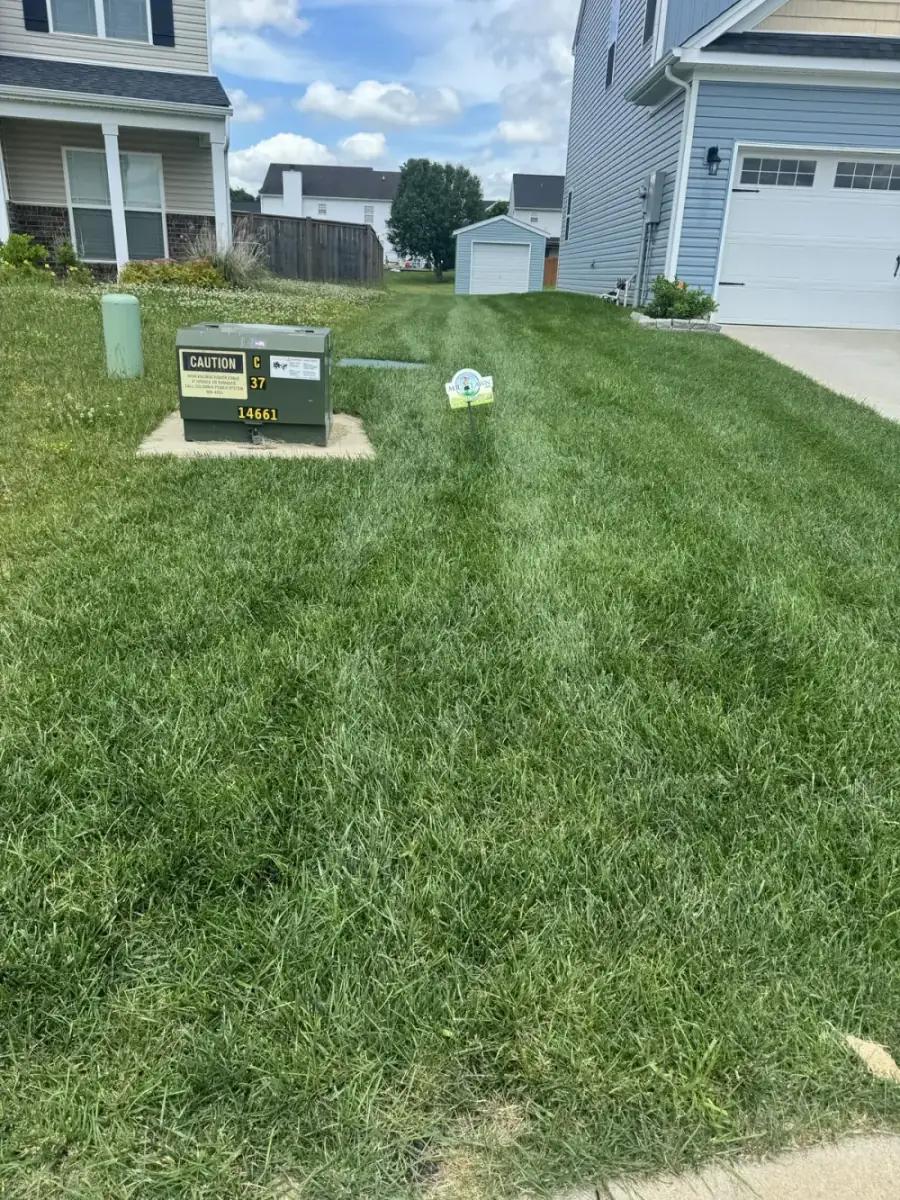
Mr. Lawn Care before and after lawn treatment results in Middle Tennessee
Mr. Lawn Care Difference
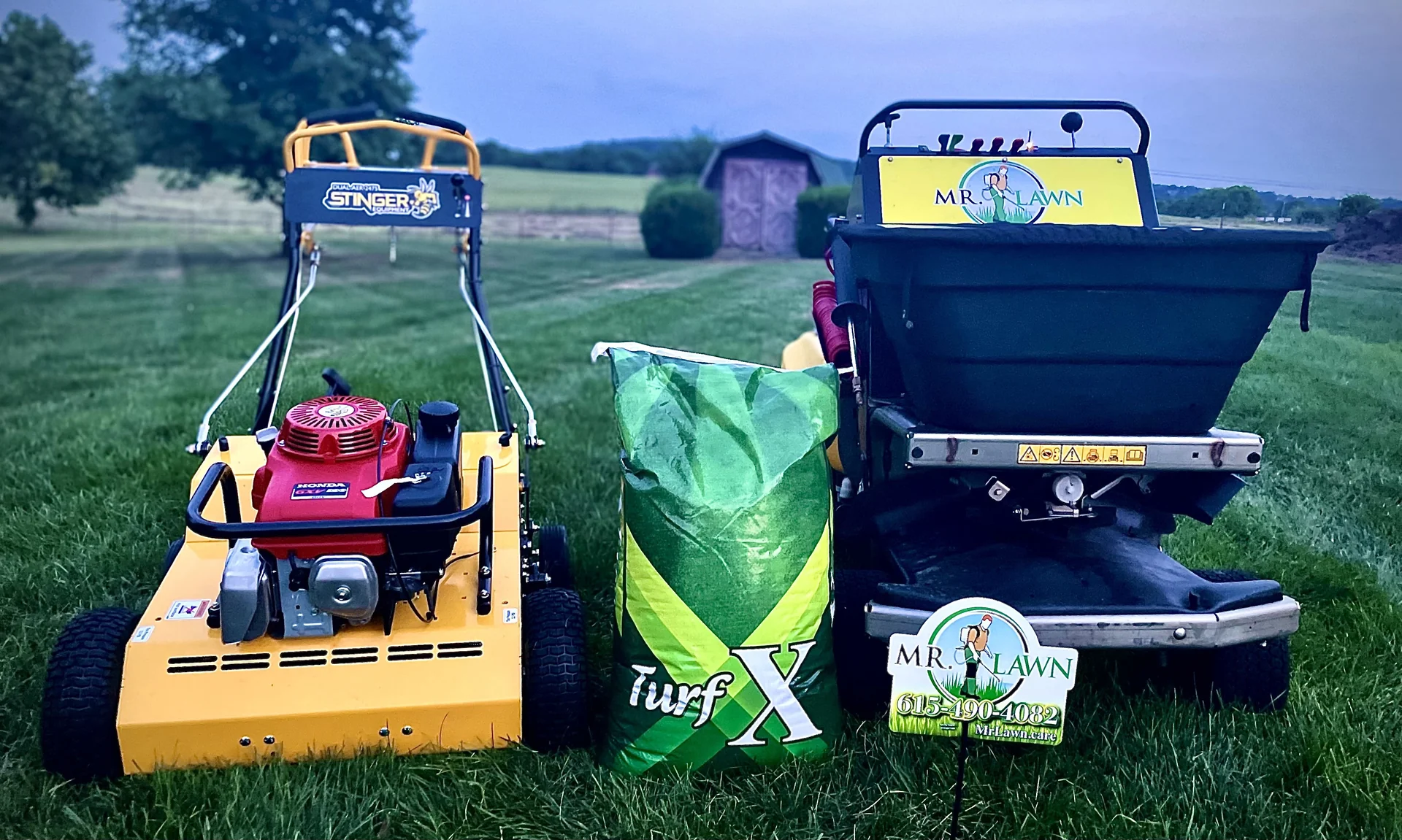
Aerator bag of fescue seed and Z-Spray spreader sprayer for aeration and seeding service, Mr. Lawn Care
Aeration & Seeding Equipment, Z-Spray Promo
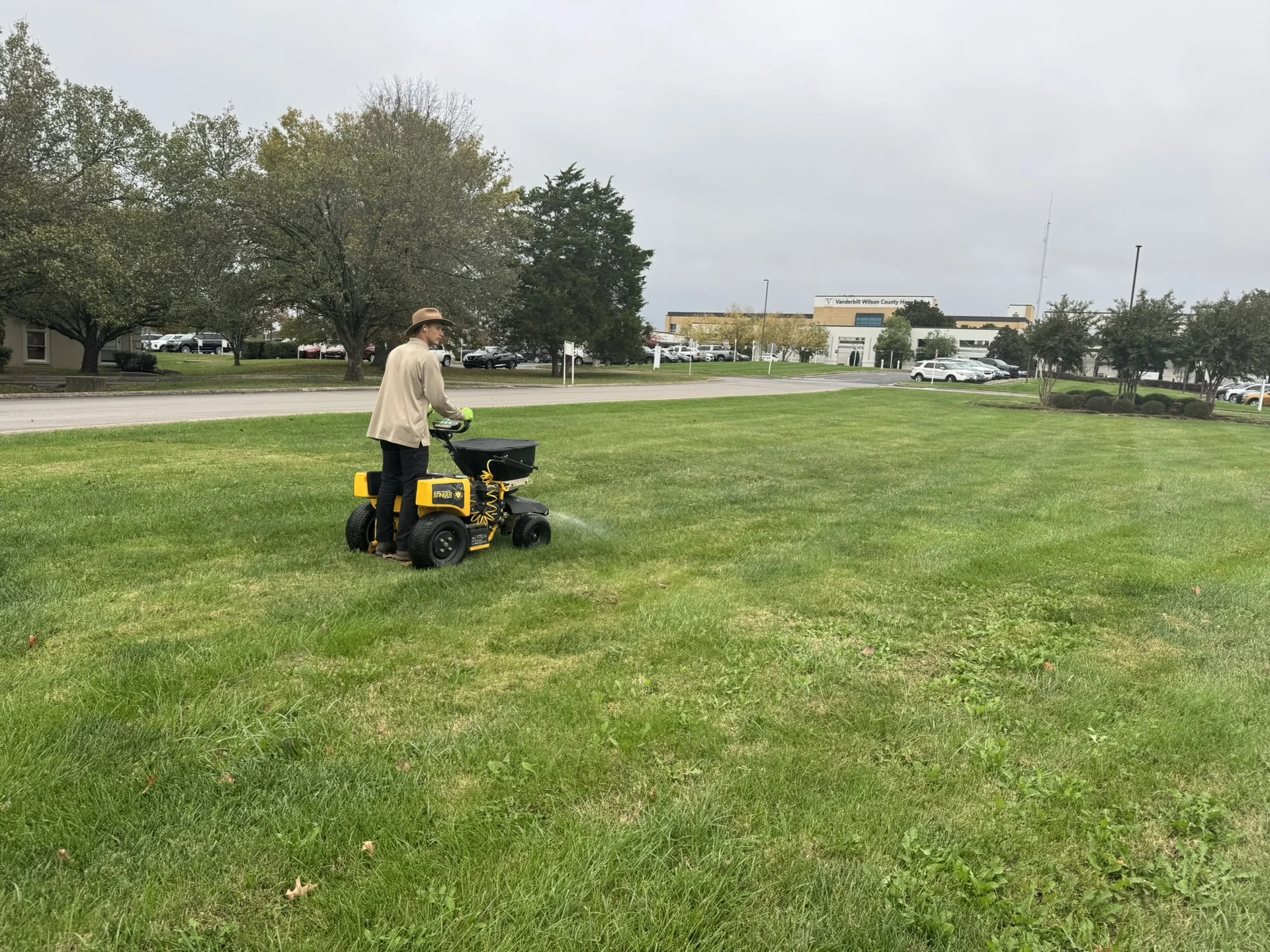
Stinger Gateway Applicator and Our Horticulturist Kirkland Operating It at Vanderbilt Hospital Hes Appliying Granular Fertilizer and Liquid Weed Control Hes Facing Away You Can See Spray, Mr. Lawn Care, Middle Tennessee lawn treatment
Stinger Gateway Applicator and Our Horticulturist Kirkland Operating It at Vanderbilt Hospital Hes Appliying Granular Fertilizer and Liquid Weed Control Hes Facing Away You Can See Spray
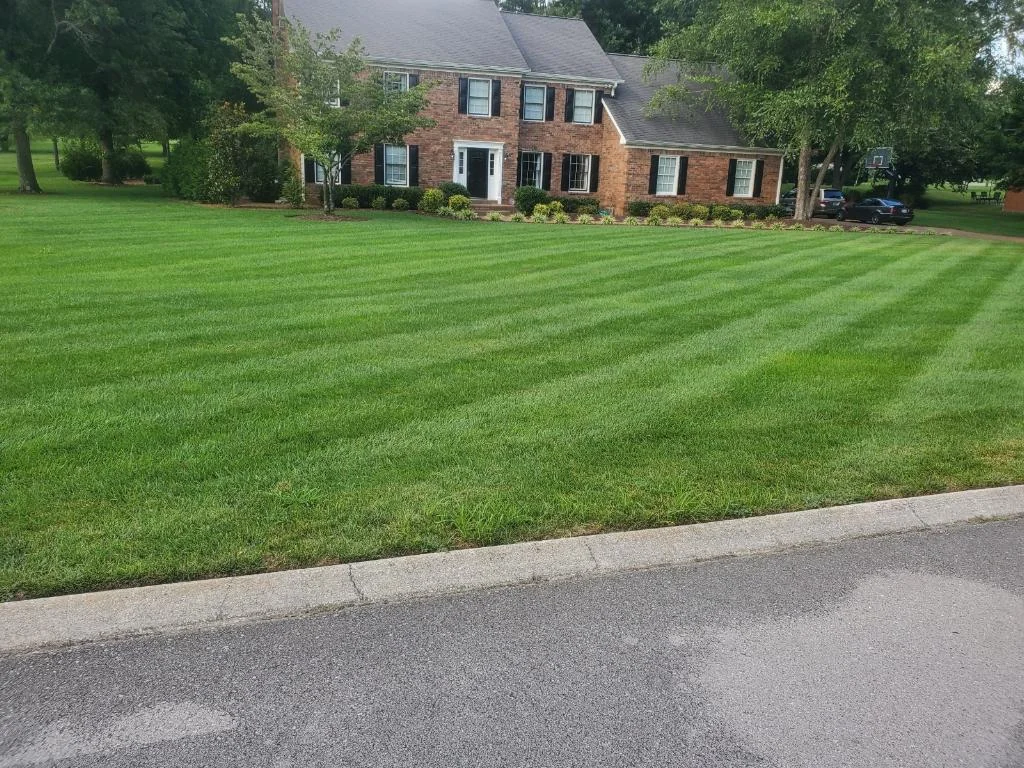
Beautiful Fescue Lawn This Stripes, Mr. Lawn Care, Middle Tennessee lawn treatment
Beautiful Fescue Lawn This Stripes

Ready for Aeration in Triune?

Get a free quote for professional core aeration & liquid aeration service from our UT Certified team. We serve all of Triune and surrounding Williamson County areas.