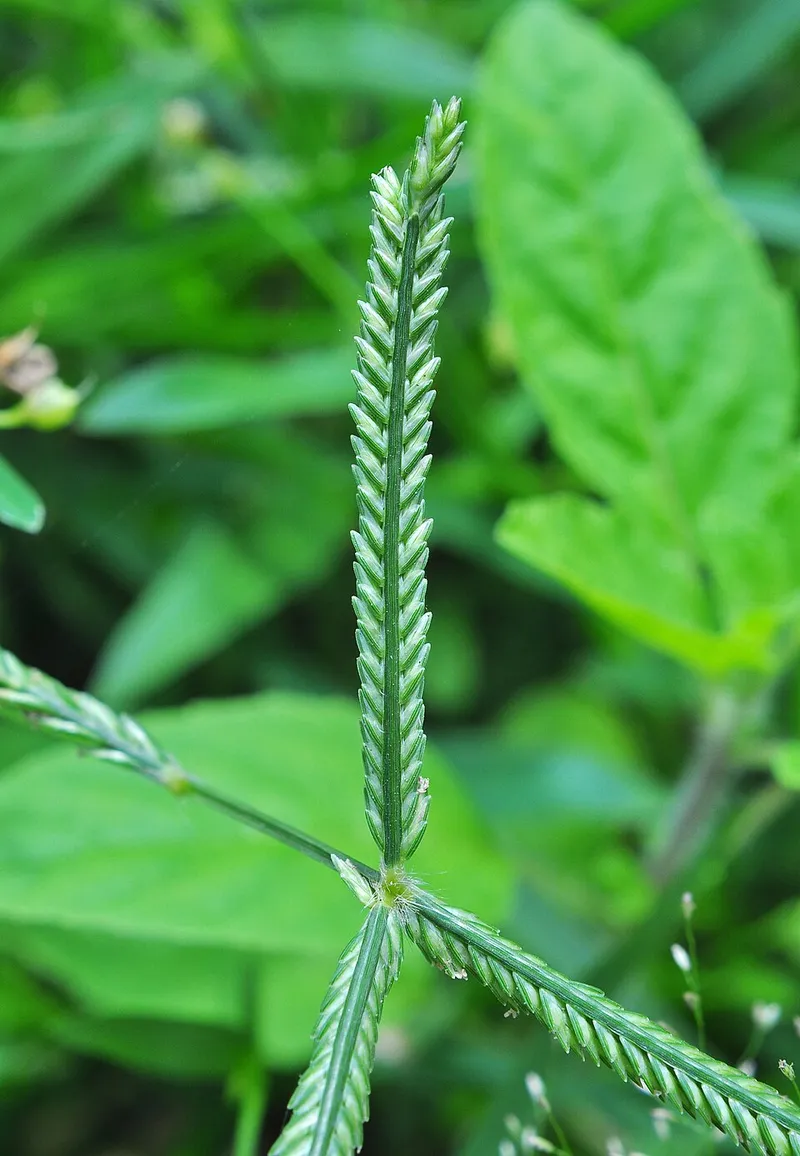
About Common Bermuda Grass
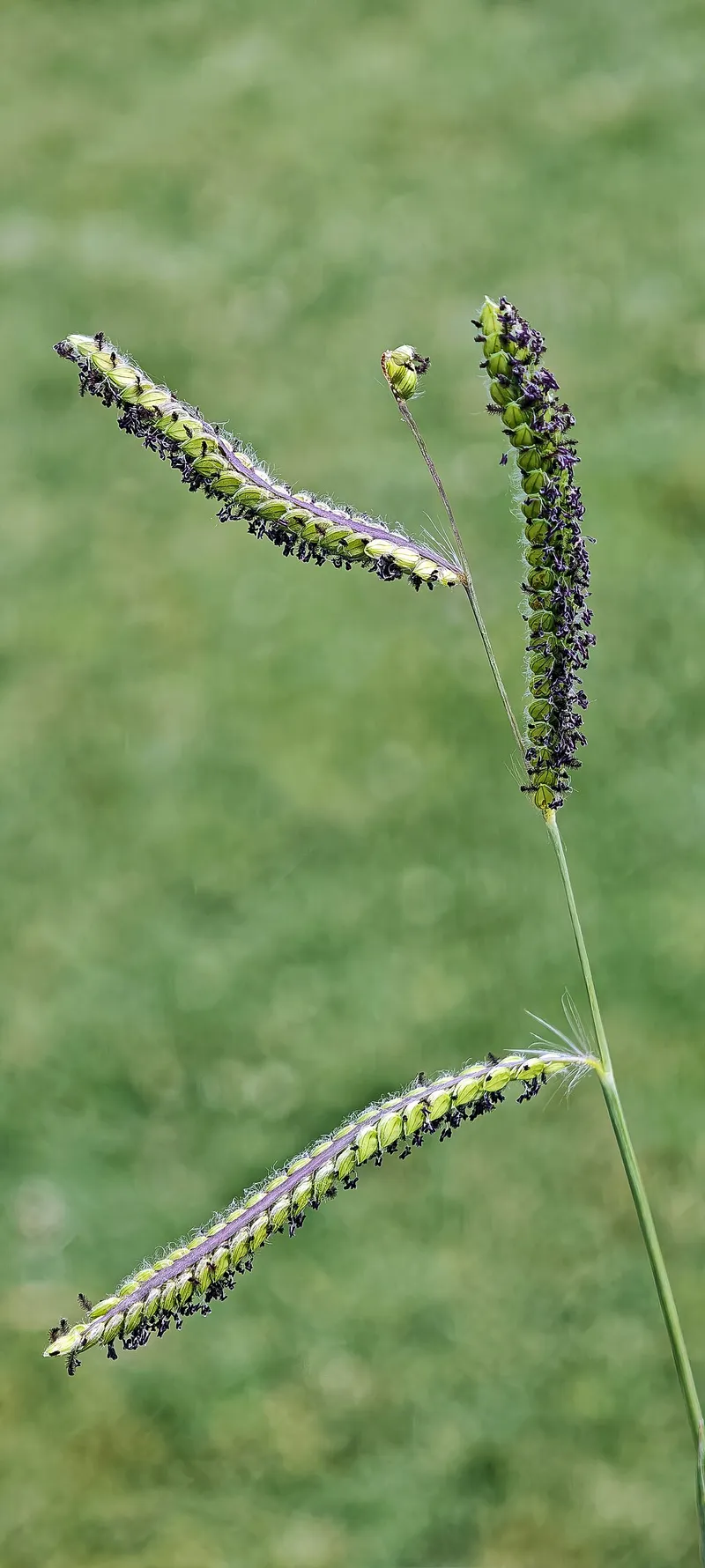
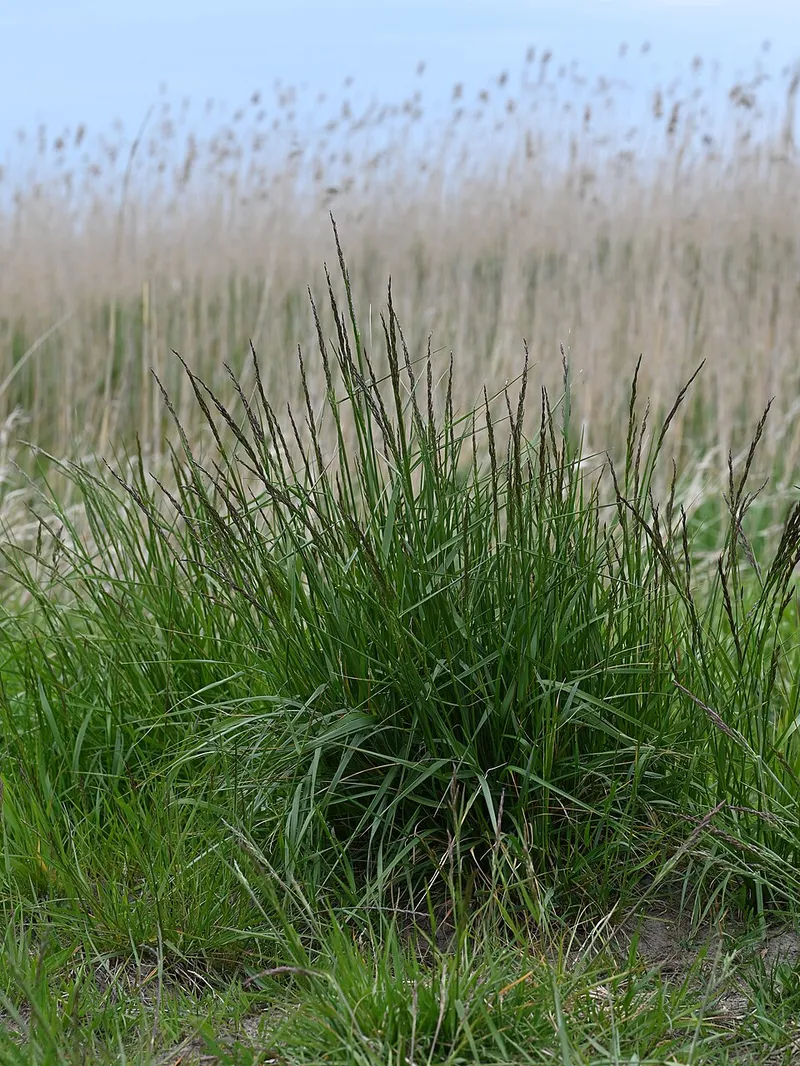
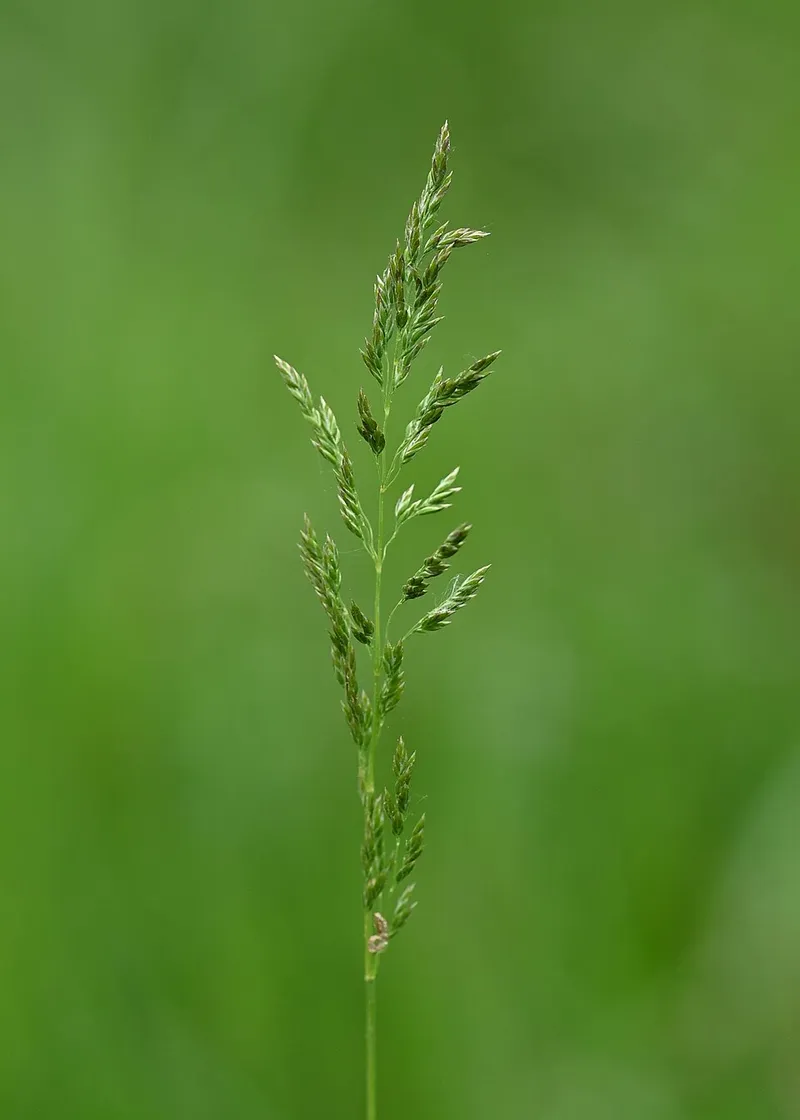
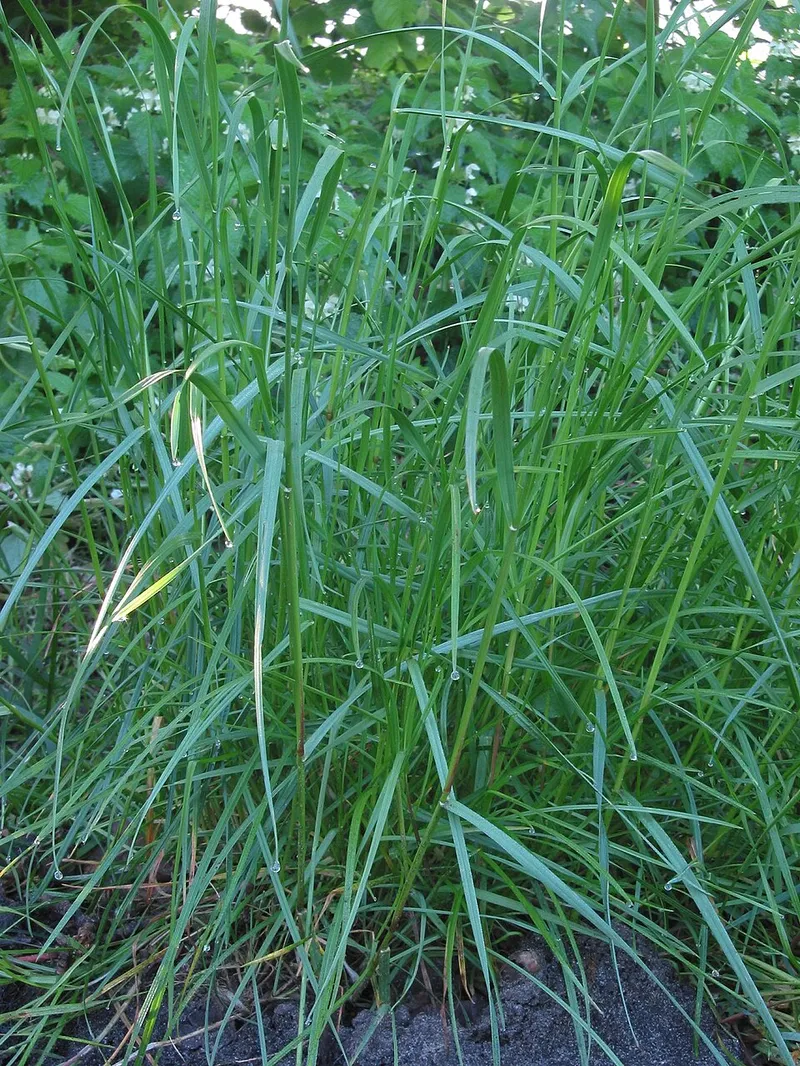
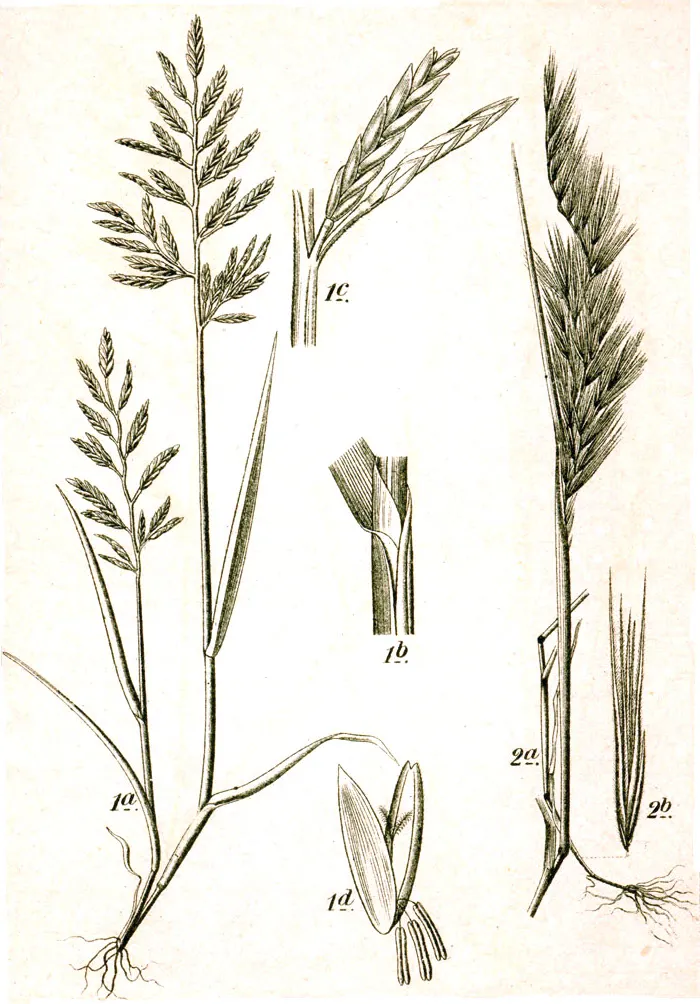
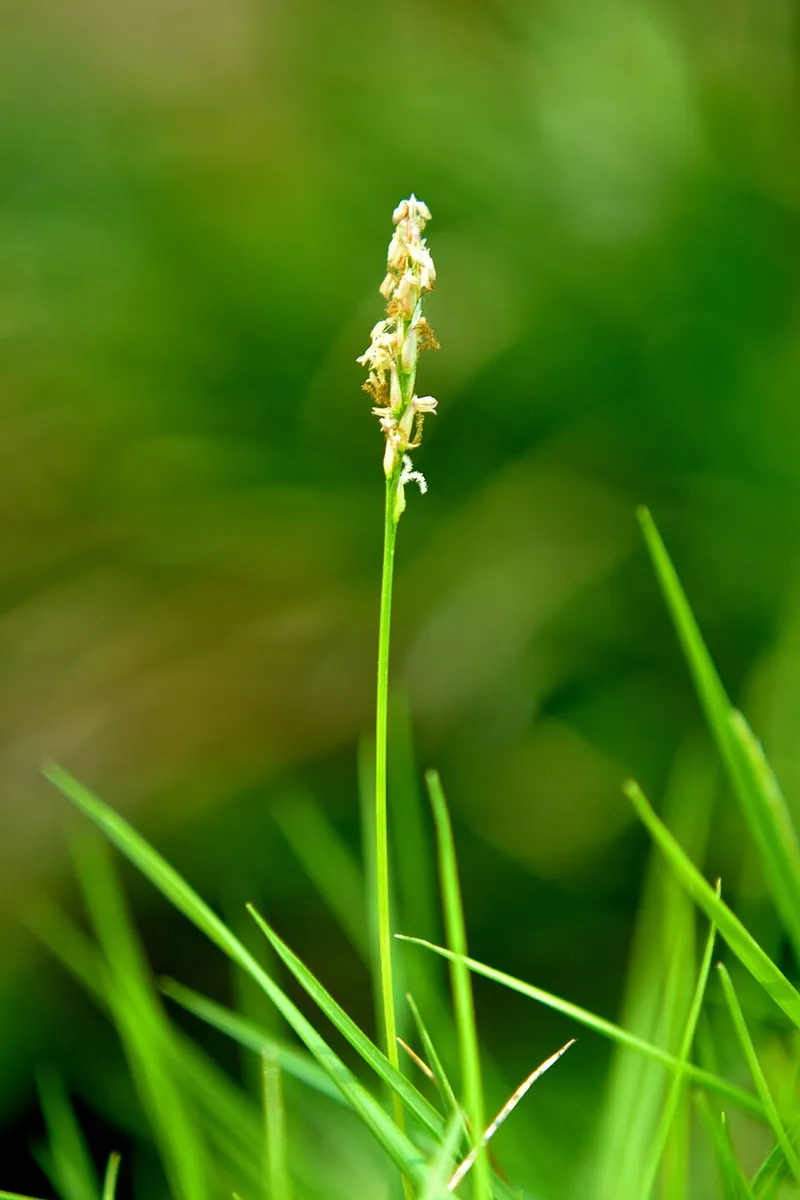
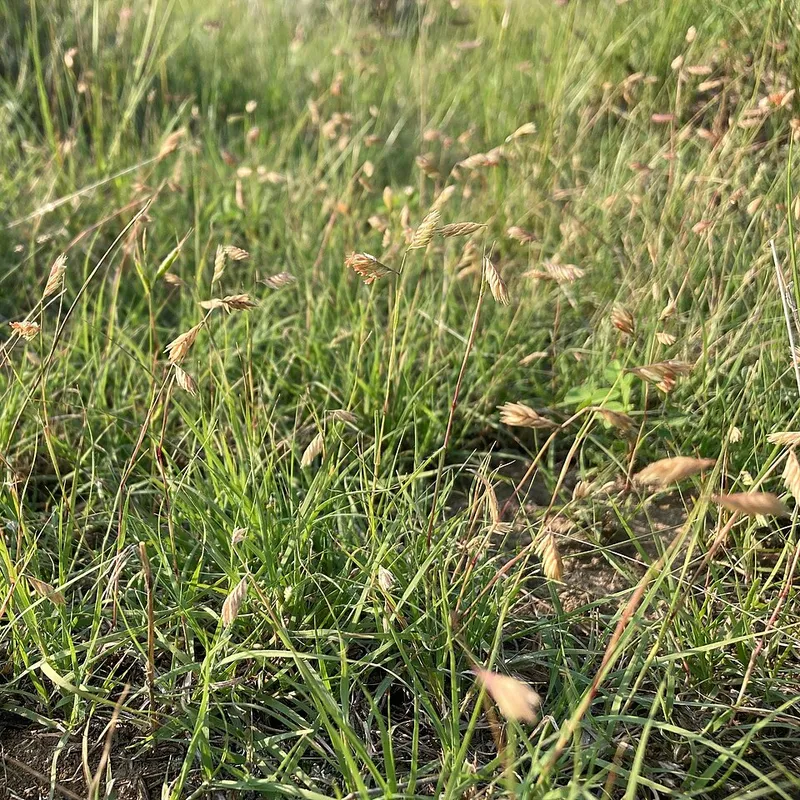
Common Bermuda grass (Cynodon dactylon) occupies a strange position in Middle Tennessee lawn care: it is simultaneously a desirable warm-season turfgrass in its own right and the single most frustrating weed in fescue lawns. Which role it plays depends entirely on whether you planted it intentionally.
As a weed in fescue, common Bermuda is rhizomatous, it spreads from pieces of itself, not from seed. It arrives on mower decks, blows in from neighboring yards, and thrives along hardscapes where soil temperatures are hottest (driveways, sidewalks, curbs). It grows aggressively during high summer temperatures when fescue is struggling, and it cannot grow in shade, so it is only a problem in sunny areas. It is concentrated in Spring Hill, Columbia, Arrington, and College Grove new construction where gravel-laden soil heats up fast.
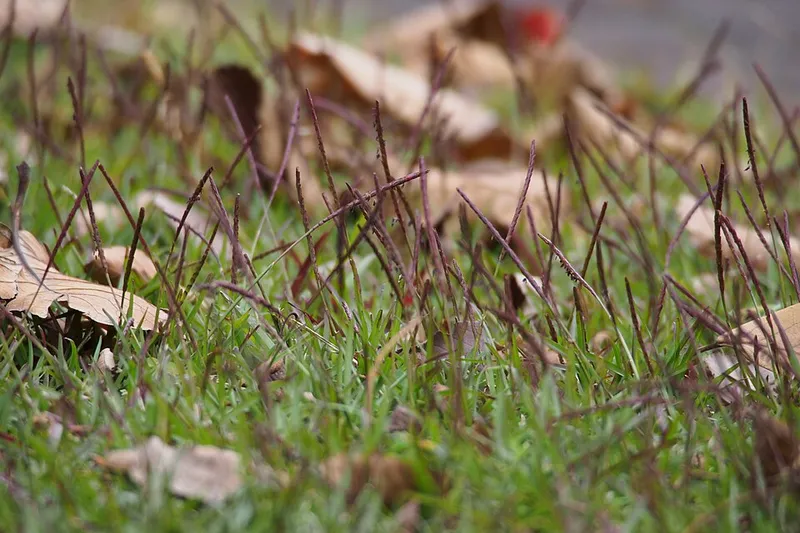
Middle Tennessee common Bermuda gets stunted by the late-frost cycle every year. A long warm stretch between February 15th and March 15th wakes the Bermuda up, it burns its winter carbohydrate stores to start growing, and then a late frost around March 15th snaps the life out of it. This stunting is actually beneficial for fescue homeowners, it means Bermuda never fully establishes the way it does fifty miles south. In our area, the growing window between last spring frost and first fall frost is short enough that common Bermuda remains suppressed relative to regions with longer warm seasons.
As a deliberately planted turf, common Bermuda seed is available but not recommended. The seed quality is low, contamination rates are high, and the visual appearance is coarser and less uniform than hybrid Bermuda cultivars. If you want a Bermuda lawn in Middle Tennessee, use hybrid Bermuda sod or plugs instead, never common Bermuda from seed.
Six of the eight services in our standard fescue lawn care plan include Bermuda grass suppression to keep your fescue dominant. Everyone in a sunny yard in Middle Tennessee is fighting common Bermuda to some degree, the question is whether you are doing it consistently or letting it take over a little more each summer.
Quick Facts
- Common Name
- Common Bermuda Grass
- Scientific Name
- Cynodon dactylon
- Plant Type
- Turfgrass
- Region
- Middle Tennessee