
A.W.
Eagleville, TN
Positive - Responsiveness, Quality, Professionalism.
View on GoogleRutherford/Williamson County · Aeration
Professional core aeration & liquid aeration service for Eagleville homeowners, delivered by Middle Tennessee's UT Certified lawn treatment specialists.
A spring core aeration does produce a real green-up, I have tested that on my own turf, and it runs a few weeks with six at the outside.
Out here people buy the whole hill and put the house on top of it, and every March the same question comes in from the properties I run in Eagleville: should we aerate this spring? Most companies answer yes before they ask you anything about your yard. Here is the honest version for Rutherford County. It will not change what an exposed hilltop lawn looks like in July unless you put seed down with it. There are Eagleville lawns where a spring pass earns the money outright, and there are more where I would rather you hold the check until September.
That response is real and I am not going to talk anybody out of it. I am also not going to stretch it. A few weeks is typical, six is the outside edge of what I have seen, and then it is gone.
01
Spring is the one window where the plant is set up to take this kind of injury and answer it. Tall fescue (Festuca arundinacea) is pushing root and shoot growth at the same time, soil temperatures are climbing, and severing a few thousand roots per thousand square feet is something a healthy stand shrugs off. Pull cores on an Eagleville lawn in April and you will see it inside two weeks: darker color, a visible flush of growth, water moving into the top few inches instead of running off the slope, which on this topography is worth noticing all by itself.
What carries a hilltop fescue lawn through July is root depth, cultivar genetics, mowing height, and whether the brown patch (Rhizoctonia solani) program holds up once night temperatures stay above 75 degrees and dew keeps the canopy wet twelve hours a day. Cores do not buy heat tolerance. A spring aeration will not change what your yard looks like two months from now unless you also seeded with it.
02
Core aeration is the only thing that relieves compaction without tearing the lawn out to do it. Tillage and full renovation decompact soil by killing everything growing in it. So when a lawn is truly compacted, cores are the right tool, and I want to say that plainly, because plenty of people have swung the other direction and now claim aeration does nothing for compaction. That is not correct either.
Two qualifiers keep it honest: density and duration. Research counts cultivation in cores per square foot, not in passes. K-State puts effective cultivation at 15 to 30 cores per square foot, and a single pass with a commercial spoon aerator delivers roughly half that or less. Two or three passes is what moves the number. Duration is where our clay gets a vote, because the holes close in weeks, not seasons.
Then there is the part nobody selling aeration will tell you: genuinely destructive compaction is uncommon in a lawn. Root channels, soil biology, and the freeze and thaw cycling a Zone 6b to 7a winter delivers all work against it year round. Real compaction is almost always something people did, the same footprint traveled over and over.
Which is precisely why Eagleville has more honest candidates than the subdivisions do. Large properties come with lanes. The strip you drive to the barn, the turnaround by the shop, the path from the back door out to the gate, the dog run along the fence line, the patch where a kid practices every evening from March to November. That is ongoing, human-made compaction and it responds to cores. On ground like that I will make two or three passes rather than one, because core density is the entire point, and spring plus fall puts that lawn at two cultivation events a year. Out in the open middle of the same property, what gets called compacted soil is usually clay behaving like clay.
cores per square foot for effective cultivation
fewer cores per square foot from big box tow-behind units
better establishment from the holes on a typical lawn
03
Pulling cores in spring raises crabgrass (Digitaria sanguinalis) pressure. You are opening soil and putting buried seed in contact with light right as soil temperatures cross the germination threshold, and you are punching straight through the pre-emergent barrier, which is a thin chemical layer sitting in the very top of the profile. Aerate over a single February application and there is a fair chance you spend June looking at crabgrass coming up out of the holes.
That is not a reason to refuse spring aeration. It is a reason to have the cores pulled by somebody whose pre-emergent runs on a two-pass schedule, so the work can be sequenced against the applications instead of dropped on top of them.
Moisture is the other variable in play right now. The El Nino building toward the winter of 2026 and 2027 is expected to hold into early spring, and a wetter pattern changes how a spring lawn behaves. I wrote up what it means for Middle Tennessee lawns here. One caution travels with it: turf is hyperlocal. Extra moisture on a dry, windswept hilltop is a gift. In a poorly drained hollow or a shaded low corner of the same property, extended wet means disease pressure instead of relief.
04
Parallel passes, then a second set at 45 degrees, never circles. Circles crowd cores toward the inside of the turn and starve the outside radius, and a 45-degree diamond puts more holes per square foot on the ground than a 90-degree crosshatch does. On open Eagleville acreage that pattern discipline is the difference between even results and results you can read from the road.
Plenty of properties out here already have a tow-behind aerator sitting in the barn, so here is the honest assessment. The big box tow-behind units do not carry the weight to pull a real core, and their tine spacing is wide enough that you finish with roughly 70 percent fewer cores per square foot than commercial equipment produces. Load the weight tray to its maximum, water the night before so the clay will let the tines in, then go look at what came up. If the cores are not running close to two inches, rent a commercial walk-behind unit instead. Those are heavy enough to do a legitimate job for a homeowner.
Liquid aeration goes down with the cores, and I will describe what it does rather than what it gets sold as. It helps the top of the soil profile hold moisture. Paired with seed, that changes germination speed, not germination rate, which matters a great deal on properties running no irrigation at all. On a standalone spring pass with no seed going down, moisture retention in the top few inches is the whole of it, and I am not going to dress that up. The same goes for the rest of that aisle: bugs in a jug, peptides, liquid micronutrients, carbon products. Grass does not need those things.
05
I own the machine because it is the least aggressive way there is to get seed into contact with soil, and that work belongs to late summer. Most of my volume is aeration paired with overseeding, offered in late summer and run alongside the early fall treatment.
Here is what the holes actually contribute. Throw seed on open ground with no aeration at all and most of it takes. I have never seen an oak drop an acorn with a core aerator attached to it. In my experience the holes buy something like 10 to 15 percent better establishment across a typical lawn. Where they change the outcome entirely is under a mat: common Bermuda (Cynodon dactylon) woven along a hot driveway edge or a gravel margin, heavy thatch, leaf litter. There the improvement runs closer to 75 or 90 percent, because a hole is the only route the seed has to reach dirt.
Timing is not negotiable either. Fescue seed runs on its own pod reserves for roughly its first four weeks, so it needs to be in the ground before favorable conditions arrive rather than after. Late August beats October by three to six weeks of growth before the first freeze. How often you need any of it is decided by genetics, not by your soil: a stand running old cultivar genetics is on an annual reseed clock, and modern improved cultivars average about every three years in the same yard under the same mower.
So if you call me in March from the top of a hill, my answer is not no
If you have a lane, a run, or a patch your family is actively wearing out, book the spring pass and I will make it count. If you do not, the same money buys a great deal more in September.
Middle Tennessee fescue lawns thin every single summer. The combination of heat stress above 90°F and the region's persistent fungal pressure, brown patch and dollar spot thriving in our humid, dew-soaked conditions, means fescue loses density every year without exception. That thinning is why annual overseeding is not optional here; it is essential maintenance. Core aeration is the best way to prepare for fall overseeding without damaging the existing grass stand, and fall is when fescue naturally wants to recover and grow. The clay soils throughout Maury, Williamson, and Davidson counties do compact and benefit from the physical channels aeration creates, but the real Middle Tennessee reason to aerate is to set up the best possible overseeding result.
Get a customized core aeration & liquid aeration service plan for your Eagleville property.
Request a QuoteOr call (615) 490-4082★ UT Certified Lawn Care Professional
★ Tennessee Turfgrass Association Member
★ Turfgrass Water Conservation Alliance Member
★ Nextdoor Neighborhood Favorite
★ BBB A+ Accredited
Only if something is actively wearing the ground out. Spring is the season the plant handles the mechanical stress best, and you will get a genuine green-up that runs a few weeks with six at the outside, but it will not change what a hilltop lawn looks like in July unless you seeded with it. The yards I say yes to out here are the ones with a lane driven to the barn, a dog run along the fence, or a kid on the same patch every evening. Everybody else gets more out of putting that money toward the fall aeration and seeding.
That strip is the one honest compaction case, and cores are the only remedy that does not kill the grass in the process. Two things temper it. Density: K-State puts effective cultivation at 15 to 30 cores per square foot, and one commercial pass delivers about half that or less, so a lane gets two or three passes from me instead of one. Duration: our clay closes the holes in weeks, not seasons. As long as you keep driving it, it stays a fight, and rerouting the traffic is worth more than any aerator.
You can, but know what you are getting. Big box tow-behind units lack the weight to pull a real core from this clay, and their wide tine spacing leaves you with roughly 70 percent fewer cores per square foot than commercial equipment. Max out the weight tray, water the lawn the night before so the tines can penetrate, then check the cores. If they are not coming up close to two inches long, rent a commercial walk-behind unit, which genuinely works for a homeowner. And remember the holes alone change nothing without seed going in them.
It raises the pressure, yes. Your pre-emergent is a thin chemical layer in the very top of the soil profile, and pulling cores punches through it while exposing buried crabgrass seed to light right as soil temperatures reach the germination point. A full-sun Eagleville lawn already has the heat for it. This is manageable, but it has to be scheduled against the herbicide program rather than dropped on top of it. My pre-emergent runs on a two-pass schedule specifically so spring cultivation can be sequenced around the applications.
On its own in spring, it does one thing: it helps the top of the soil profile hold moisture, which on a windswept hilltop with no irrigation is a real but small benefit. It earns far more when seed is going down with it, because holding moisture at seed depth speeds germination up. That is germination speed, not germination rate. The same percentage of seed comes up either way, it just comes up sooner. Anyone selling liquid aeration as a replacement for pulling cores is selling you something.
A.W.
Eagleville, TN
Positive - Responsiveness, Quality, Professionalism.
View on GoogleT.P.
Spring Hill, TN
AJ is a lawn expert. Mr. Lawn costs around what I was spending at Homedepot and lowes to buy my own misery. We started together late season of 2022. The yard was barely ok after 4 years of me trying. We had 1 acre of… Read T.P.'s full review
View on GoogleA.C.
College Grove, TN
AJ is a great guy with an incredible knowledge about lawn care. His focus is weed control, fertilization, aeration and overseed, etc....he doesn't mow. I'm glad he doesn't mow as he's laser focused on making your lawn… Read A.C.'s full review
View on GoogleT.P.
Spring Hill, TN
AJ is a lawn expert. Mr. Lawn costs around what I was spending at Homedepot and lowes to buy my own misery. We started together late season of 2022. The yard was barely ok after 4 years of me trying. We had 1 acre of…
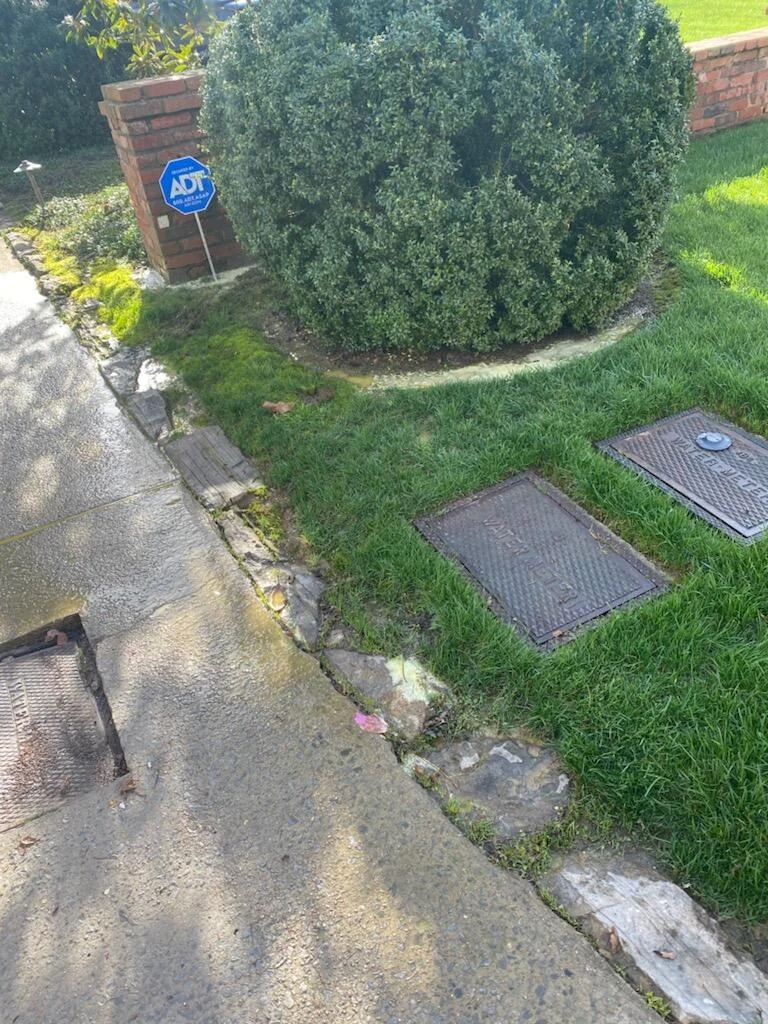
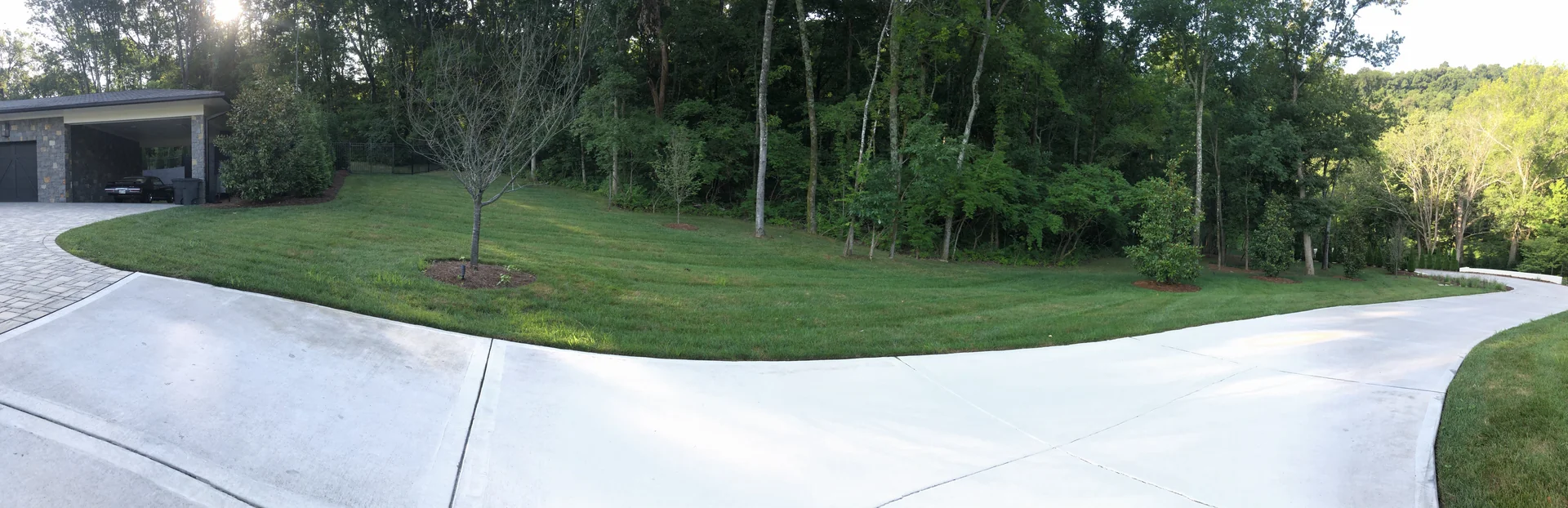
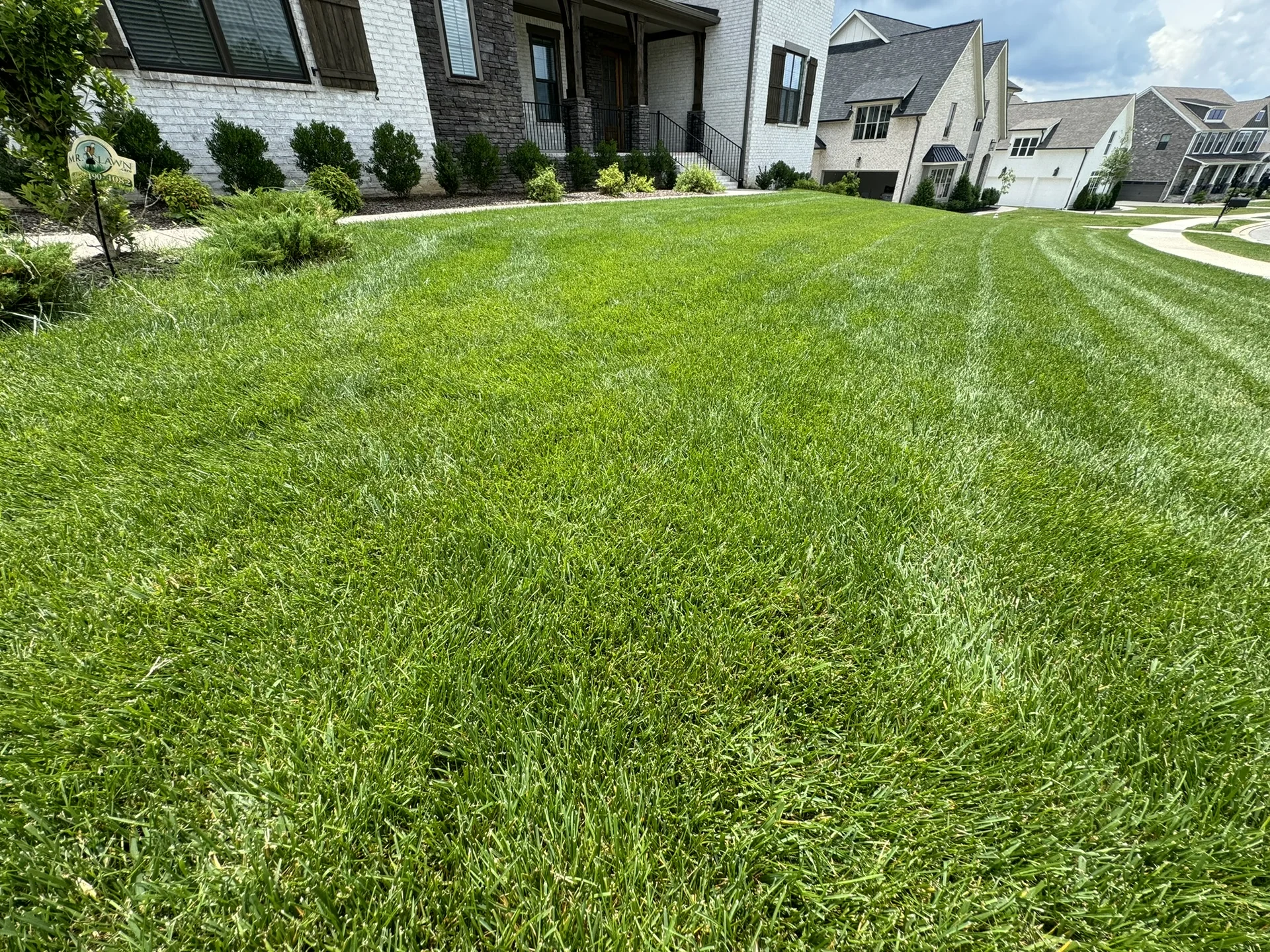
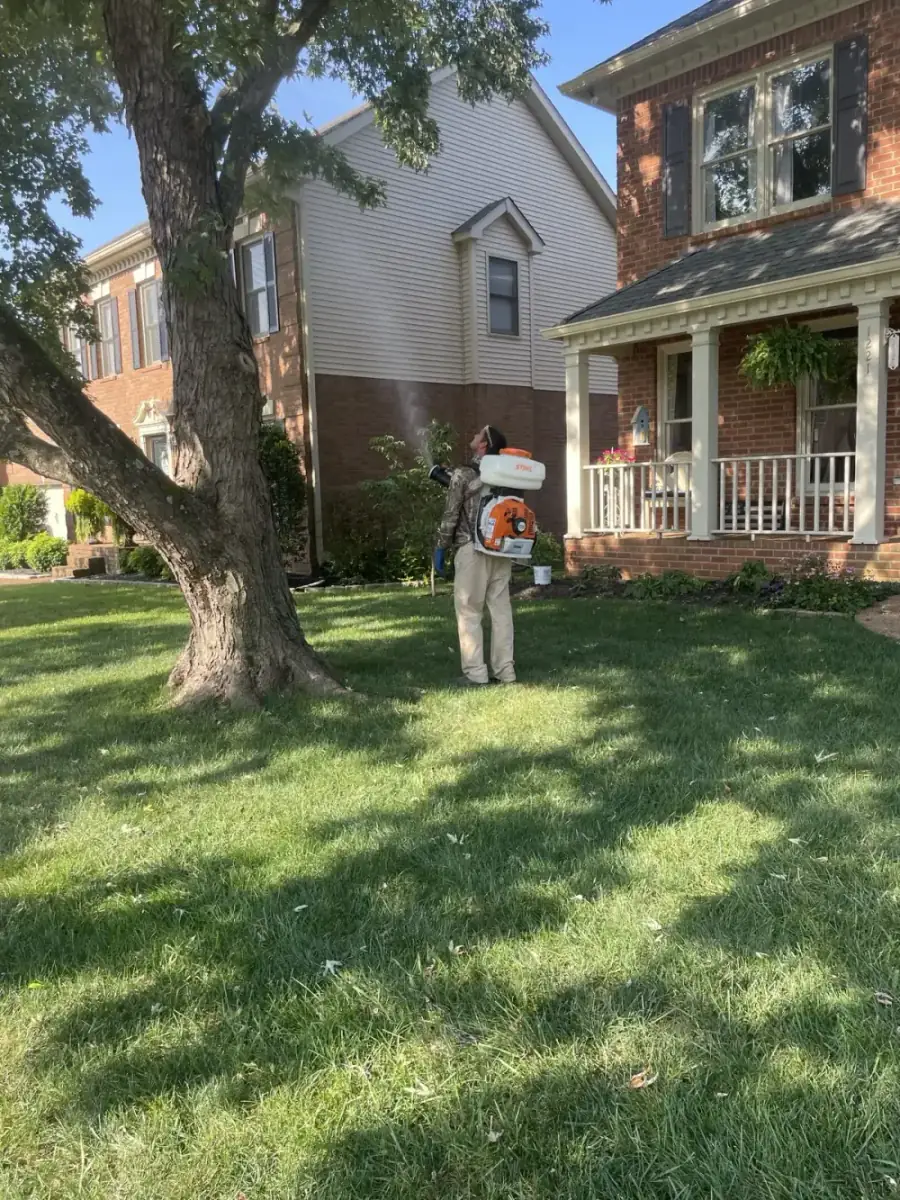
Actual photos from core aeration & liquid aeration service jobs in Eagleville and surrounding Middle Tennessee areas.
Get a free quote for professional core aeration & liquid aeration service from our UT Certified team. We serve all of Eagleville and surrounding Rutherford/Williamson County areas.