About Large Crabgrass
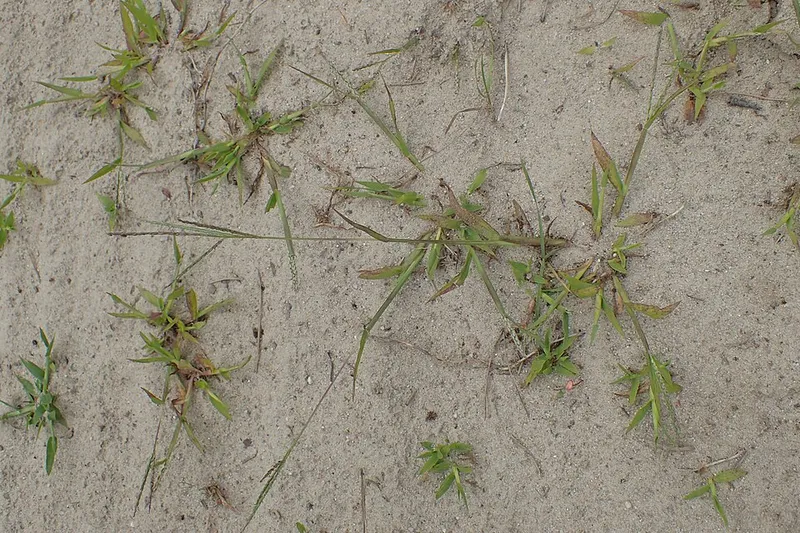
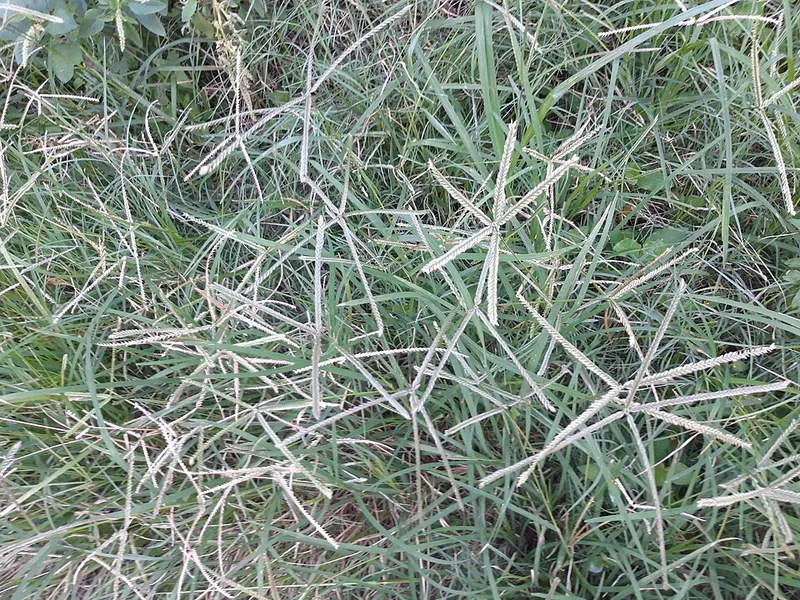
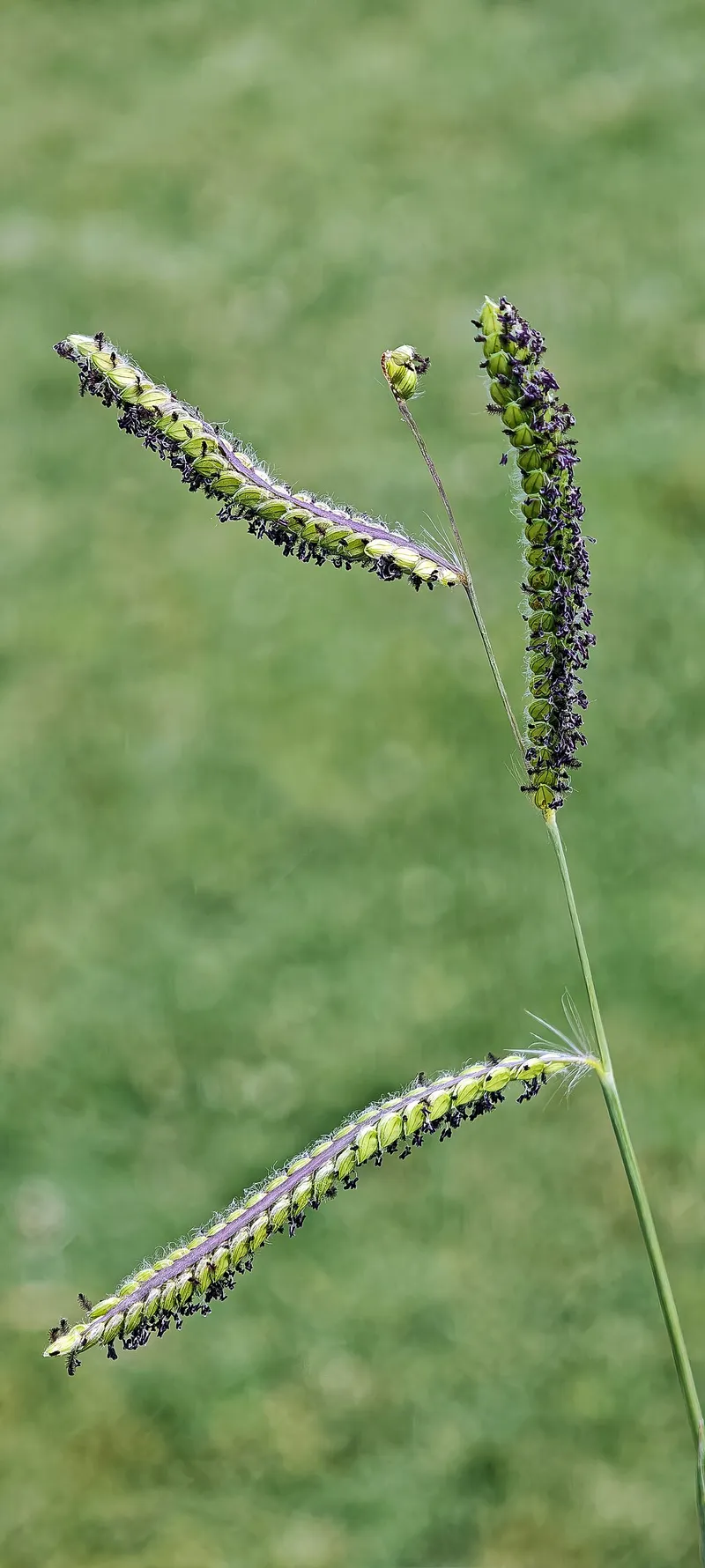
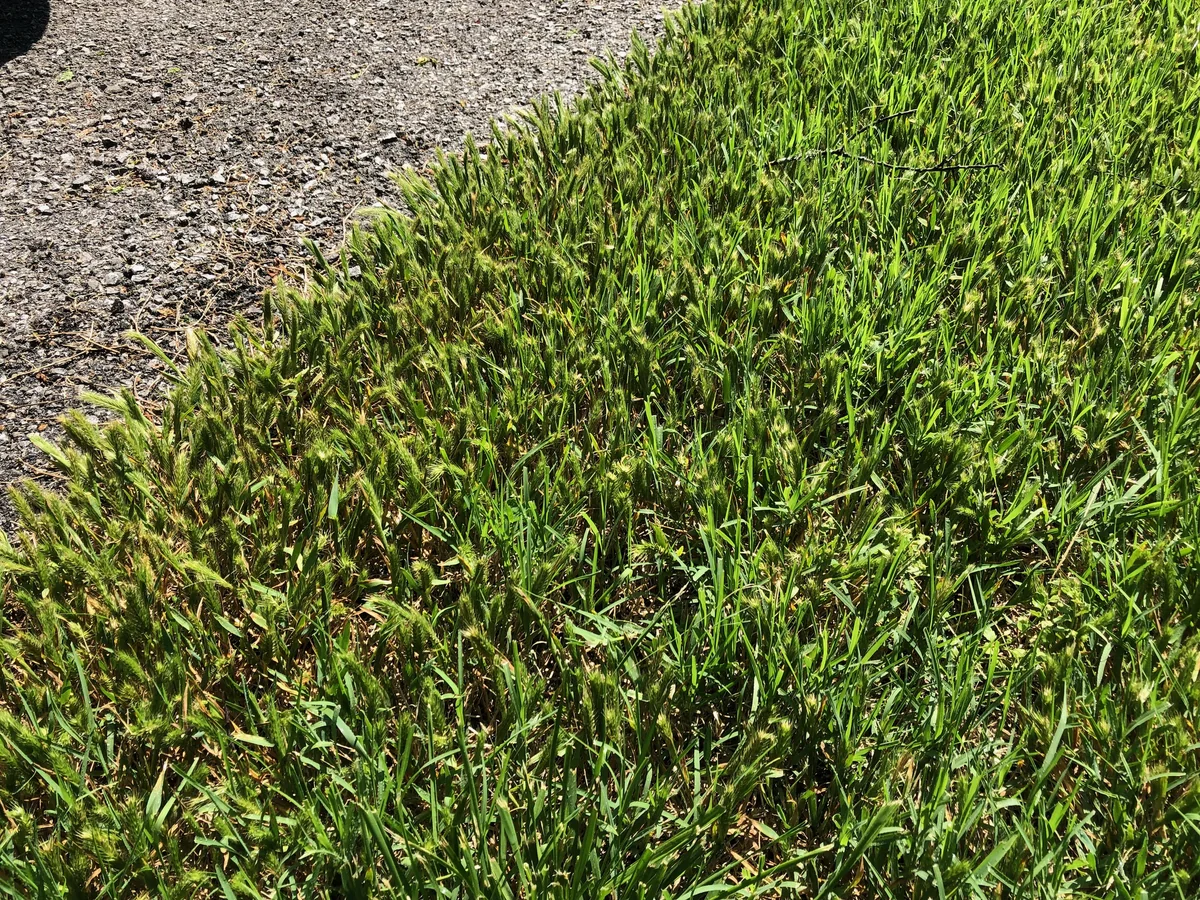
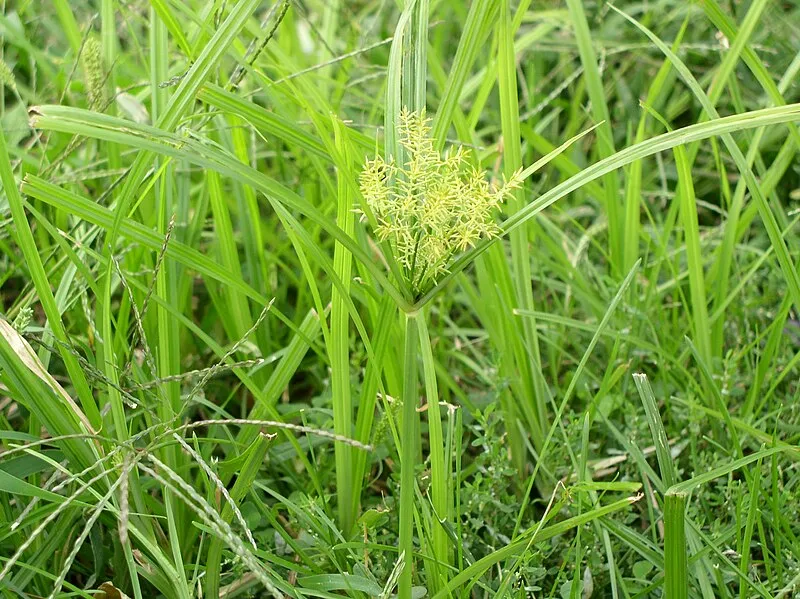
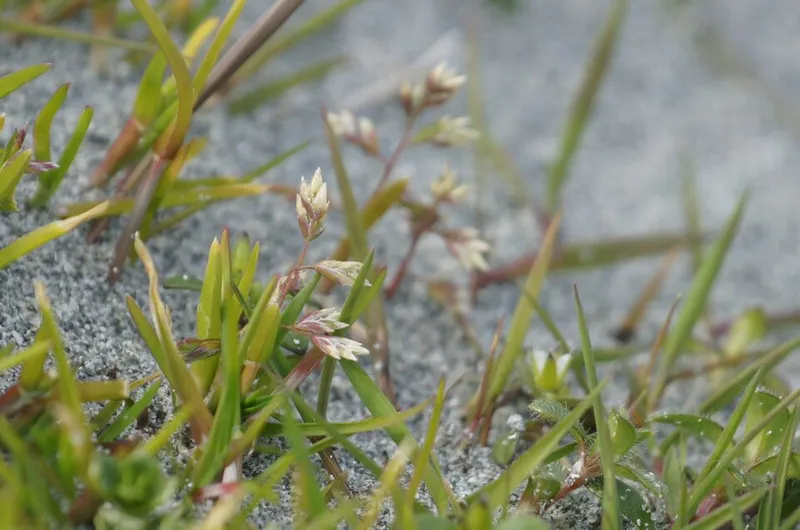
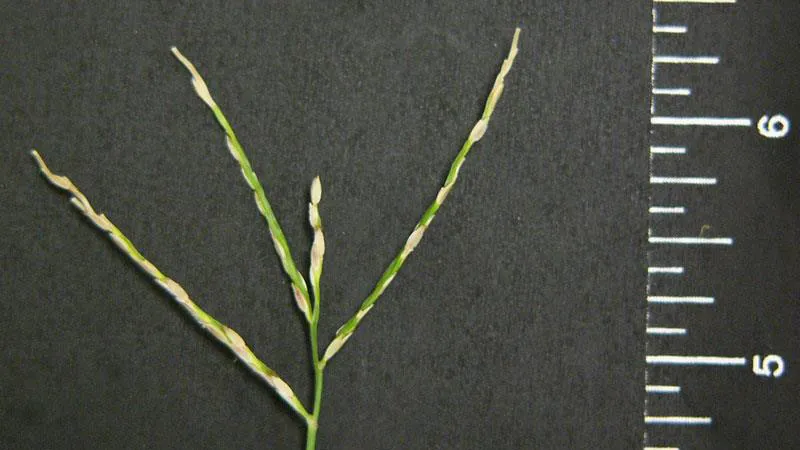
Large crabgrass (Digitaria sanguinalis) is the coarser, more aggressive cousin of smooth crabgrass. It has wider leaf blades, hairy stems and sheaths (smooth crabgrass is hairless), and tends to form larger, more spreading clumps. Both species are summer annuals that respond to the same pre-emergent timing and chemistry.
The most important thing to know about large crabgrass in Middle Tennessee is the same thing that applies to smooth crabgrass: if you think you have crabgrass and it comes back in the same spot every year, you almost certainly have dallisgrass or Johnson grass instead. True crabgrass, both smooth and large, is an annual that dies completely with the first frost and must re-germinate from seed each spring. If the plant persists from year to year, it is a perennial grassy weed masquerading as crabgrass.
Large crabgrass is prevented by the same February-March pre-emergent application that handles smooth crabgrass, goosegrass, spurge, and the rest of the summer annual weed complex. Dithiopyr (Dimension) or prodiamine applied before March 15th provides season-long prevention. No post-emergent rescue spray is needed on a well-timed pre-emergent program.
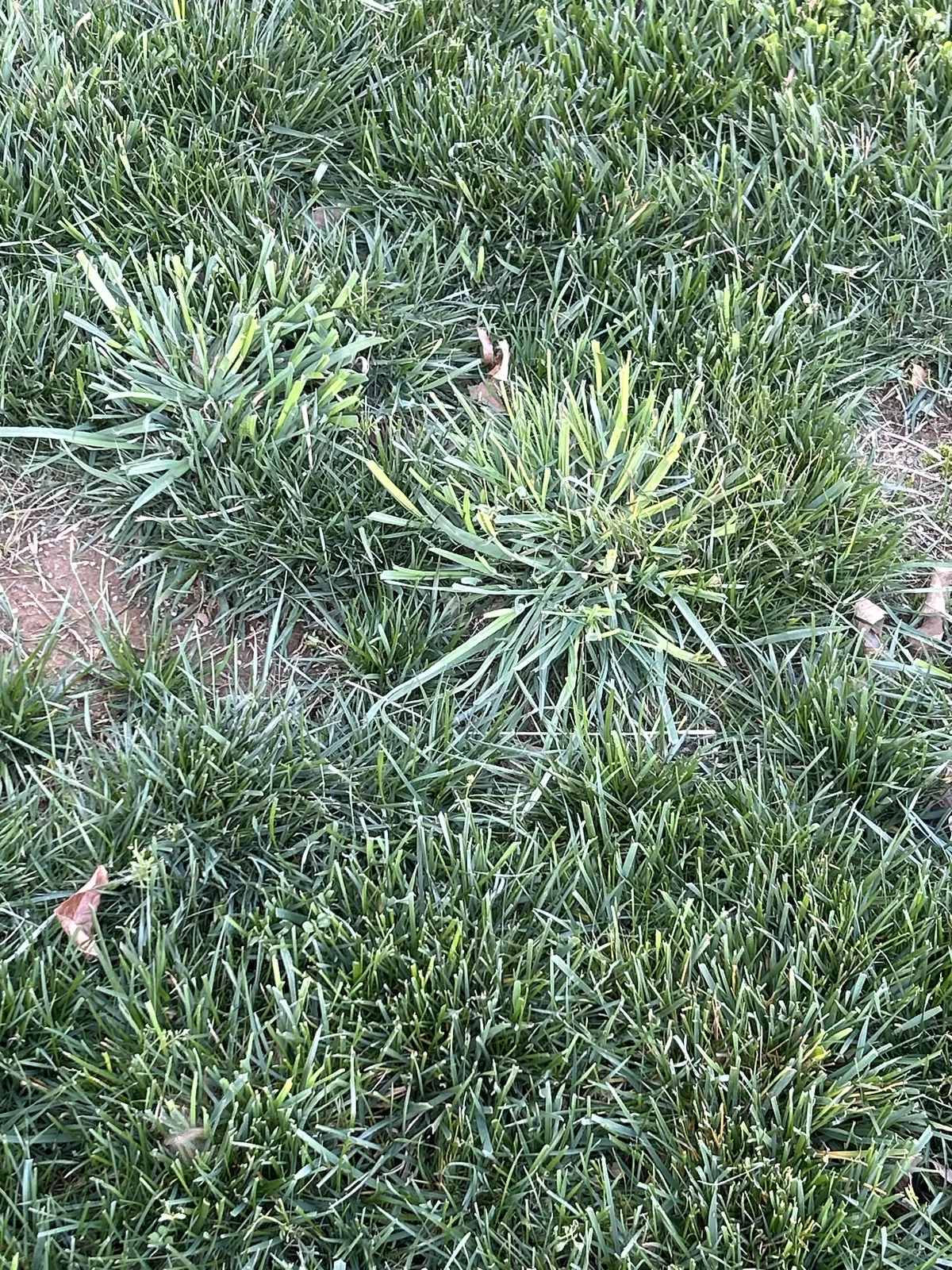
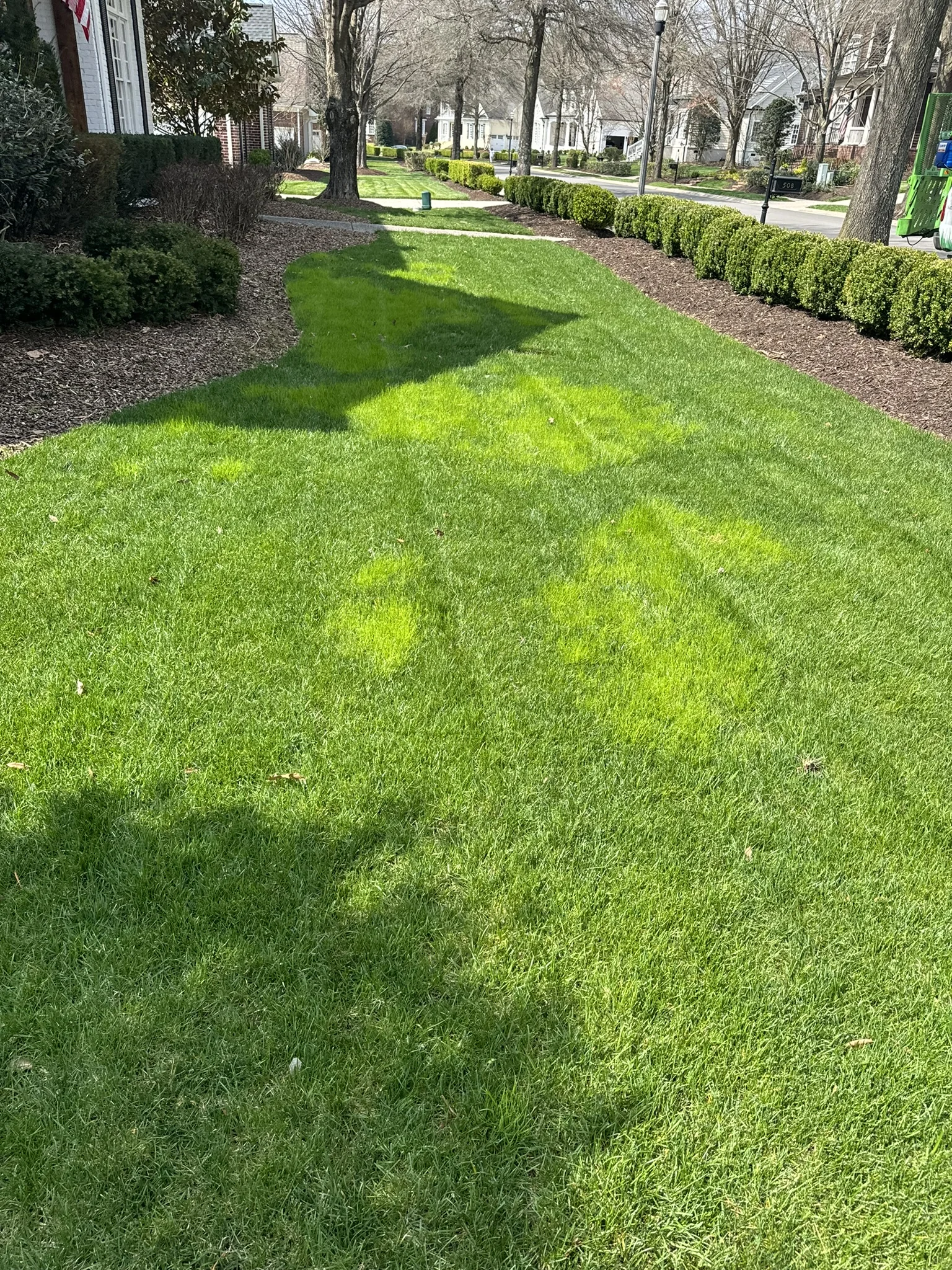
The best pre-emergent is actually a thick, well-maintained stand of fescue. Dense grass canopy shades the soil surface and prevents light from reaching germinating crabgrass seeds. Combined with the chemical pre-emergent barrier, a healthy lawn makes crabgrass a complete non-issue, which is why most of our long-term customers never see a single crabgrass plant.
Quick Facts
- Common Name
- Large Crabgrass
- Scientific Name
- Digitaria sanguinalis
- Type
- Turf Weed
- Region
- Middle Tennessee