Fall seeding season is here.

UT Certified Lawn Care Professional Tennessee Turfgrass Association Member Turfgrass Water Conservation Alliance Member Nextdoor Neighborhood Favorite BBB A+ Accredited

Williamson County · Aeration

Core Aeration & Liquid Aeration Service in Thompson's Station, TN

Professional core aeration & liquid aeration service for Thompson's Station homeowners, delivered by Middle Tennessee's UT Certified lawn treatment specialists.

Aeration for Thompson's Station Homeowners

A spring core aeration does produce a real green-up.

Thompson's Station calls me in March more than almost any town on my route, and it is nearly always the same call. The house is a few years past closing, the clay under it is hard, the HOA sent a letter about thin spots, and somebody read online that aeration fixes compacted soil. So let me give you the honest version before you write a check. I have tested it on my own turf. It runs a few weeks, six at the outside, and it will not change what your yard looks like in July unless you put seed down with it. There is a specific kind of Thompson's Station lawn where a spring pass earns every dollar, and this town happens to have more of them than most.

The Thompson's Station Aeration Guide

That response is real and I will not talk you out of it. I also will not stretch it. A few weeks is normal, six is the far edge of what I have watched happen, and then the lawn goes back to being whatever it was.

AJ, UT Certified Lawn Care Professional

01

What a spring pass actually buys you here

Spring is the one stretch of the year when tall fescue (Festuca arundinacea) is built to absorb this kind of injury. Roots and shoots are both growing, soil temperatures are climbing, and pulling a few thousand cores out of a lawn is something a healthy stand shrugs off and answers with growth. Aerate a Thompson's Station front yard in April and you will see it inside of two weeks: deeper color, a flush of new leaf, water soaking in instead of running off toward the curb.

What actually carries fescue through a Williamson County July is root depth, the genetics in the stand, mowing height, and whether the brown patch (Rhizoctonia solani) program holds once night temperatures sit above 75 degrees and dew keeps the canopy wet for twelve hours at a stretch. Cores do not buy heat tolerance. A spring aeration will not change what your yard looks like two months later unless you seeded with it.

02

Builder compaction is real, but know where the tines reach

Pulling cores is the one compaction remedy that leaves you with a lawn afterward. Tilling or renovating from scratch loosens soil too, and both kill the grass to get there. So on genuinely compacted ground an aerator is the right machine, and I say that plainly because the fashionable overcorrection lately is to claim aeration does nothing for compaction at all. Also wrong.

The qualifiers are density and depth. Research measures cultivation in cores per square foot, not in passes. Kansas State puts effective cultivation at 15 to 30 cores per square foot, and one pass with a commercial spoon aerator lands at roughly half that or less, which is why two to three passes is the real number. I walked through that core-density math here.

Depth is the part that matters in a graded subdivision. A good core comes out about two inches long. The compaction a builder left came from tracked equipment on soil already stripped and rolled, and it sits below where any aerator tine travels. Cores work the top couple inches, which is the layer deciding whether water and air reach the root zone, and they never touch the pan underneath. Then Williamson County clay swells, settles, and takes the holes back within weeks. One spring pass a year is not a compaction program, and anybody selling it as one in Tollgate Village or Fields of Williamson is overselling a machine I own myself.

15-30

cores per square foot for effective cultivation

0%

fewer cores per square foot from big box tow-behind units

10-15%

better establishment from the holes on a typical lawn

03

The Thompson's Station lawns that genuinely earn a spring pass

Genuinely destructive compaction is rarer than the ads suggest. Nature works against it constantly through root channels, soil biology, and the freeze and thaw cycling a Zone 6b to 7a winter delivers. Real compaction is almost always something people did, the same feet or tires over the same ground.

Which is exactly why this town is a different conversation. Thompson's Station is full of young families who use their backyards hard. Host something every other weekend and you have a few dozen people standing on the same corner of turf all season, packing it down faster than a winter can loosen it. A kid practicing on the same patch of grass every evening from March through November does the same. So does a dog running one line along the fence. Those lawns get a spring pass and a fall pass from me, which puts them at two cultivation events a year, and the frequency work supports it: going from one event a year to three cut soil bulk density 5 to 9 percent and surface hardness 5 to 19 percent. On ground like that I run two or three passes instead of one, because core density is what produces the effect. The green-up is a side benefit. The job is keeping up with people who are wearing the surface out on purpose.

If your yard is not that lawn, spring aeration buys a few weeks of color and nothing structural. That is a perfectly reasonable thing to buy. Just buy it knowing that, in March, rather than working it out in July.

04

Crabgrass, pre-emergent, and the irrigation this town runs

Pulling cores in spring raises crabgrass (Digitaria sanguinalis) pressure, for two reasons at once. Buried seed gets lifted into the light with excellent soil contact exactly when soil temperature reaches its germination point, and every core opens a gap in the pre-emergent barrier, which is only a thin chemical film across the very top of the profile.

Thompson's Station adds a wrinkle, because this town has one of the highest concentrations of in-ground irrigation in my service area. An irrigated lawn, freshly aerated, with the spring schedule already running is about the best crabgrass nursery you could build on purpose. None of this argues against spring aeration. It argues for having it done by somebody carrying a pre-emergent program strong enough to cover the gap. Mine goes down in two passes, which lets me time cores around applications rather than opening a barrier and hoping. Sequence it wrong and June shows up with crabgrass growing out of the very holes you paid for.

05

How I pull cores, and what liquid aeration honestly does

I run straight parallel passes, then a second set across them at 45 degrees. No circles. Turning in circles bunches cores up on the inside of the arc and leaves the outside radius nearly untouched, and a 45 degree diamond drops more holes per square foot than a square 90 degree crosshatch.

Renting a machine yourself, get the walk-behind. It carries enough weight to pull a true two inch core and a homeowner can do respectable work with one. The tow-behind units at the big box stores are a different animal: too light to punch into this clay, tines spaced far enough apart that you finish with roughly 70 percent fewer cores per square foot than a commercial machine leaves. Run your irrigation the night before, whichever one you use.

Term, Defined

Liquid aeration

Liquid aeration rides along with the cores, and here is what it does rather than what the label says. It holds moisture in the top of the soil profile. With seed in the ground that shortens how long germination takes, not how much of the seed comes up. On a spring pass with nothing seeded, moisture in the top couple inches is all you are getting. Same skepticism applies to the rest of that shelf, the bugs in a jug, the peptides, the liquid carbon. Grass has no use for any of it, and steering people away from what they do not need is a bigger part of this job than selling what they do.

06

Why most of my aeration in this town still happens in September

The reason I own an aerator at all is that nothing else puts seed in contact with soil while doing so little harm to the grass already growing there, and in this town that work belongs to September. Most of my volume is aeration paired with overseeding, sold in late summer and run alongside the early fall treatment.

Here is the honest accounting of what the holes contribute. Scatter seed across open ground with no aeration at all and most of it takes. Acorns have been planting oak trees across Williamson County for a few thousand years and not one of them arrived with a core aerator attached. In my experience the holes buy something like 10 to 15 percent better establishment across a normal lawn. Where they change the outcome completely is under a mat. Common Bermuda (Cynodon dactylon) creeping out of every sunny driveway and sidewalk edge in the full-sun front yards over in Cherry Grove and Bridgemore Village will lay down stolons dense enough that broadcast seed never reaches dirt, and seed that never touches soil is dead seed. Through a mat like that, my field numbers run closer to 75 or 90 percent improvement. Leaf litter under the mature trees in the older sections does the same thing for the same reason.

The other half of the fall argument is genetics, which decides how often you pay for any of this. A stand still running the builder's contractor seed is on an annual reseed clock, because those blends carry old cultivars that thin out every transition-zone summer. Swap in modern improved cultivars and that stretches to roughly every three years, same yard, same mower. My three fescues are Traverse 2 SRP, 4th Millennium SRP and Triad, each on UT Extension's list of statistically top-performing tall fescues for Tennessee out of the NTEP trials. Barvette HGT carries the bluegrass fraction and the rhizome repair fescue cannot do for itself. The full case for that mix is here. Timing counts as much as genetics. Fescue carries roughly four weeks of reserves in its own seed pod, which is why seed down in late August is already rooting when the good weather arrives and beats an October job by three to six weeks of growth. That argument is laid out here.

I am telling you the same check does considerably more work in September

So when the March call comes and your yard is not a traffic lawn, I am not telling you no.

Why Aeration Matters in Thompson's Station

Middle Tennessee fescue lawns thin every single summer. The combination of heat stress above 90°F and the region's persistent fungal pressure, brown patch and dollar spot thriving in our humid, dew-soaked conditions, means fescue loses density every year without exception. That thinning is why annual overseeding is not optional here; it is essential maintenance. Core aeration is the best way to prepare for fall overseeding without damaging the existing grass stand, and fall is when fescue naturally wants to recover and grow. The clay soils throughout Maury, Williamson, and Davidson counties do compact and benefit from the physical channels aeration creates, but the real Middle Tennessee reason to aerate is to set up the best possible overseeding result.

What's Included in Our Aeration for Thompson's Station

  • Full-property core aeration with professional-grade equipment
  • Deep, clean soil cores (2.5 - 3 inches)
  • Double-pass aeration in high-traffic or heavily compacted areas
  • Marking of irrigation heads and invisible fences (if requested)
  • Coordination with fall overseeding (recommended)
  • Post-aeration care instructions

Free Aeration Quote

Get a customized core aeration & liquid aeration service plan for your Thompson's Station property.

Request a QuoteOr call (615) 490-4082

UT Certified Lawn Care Professional

Tennessee Turfgrass Association Member

Turfgrass Water Conservation Alliance Member

Nextdoor Neighborhood Favorite

BBB A+ Accredited

Aeration in Thompson's Station · FAQ

Should I aerate my Thompson's Station lawn in the spring?

Only if something is actively wearing it out. The plant does handle mechanical stress better in spring than in any other season, and you will see a legitimate green-up for a few weeks, six at the very most. What you will not see is a different lawn in July, not without seed going down at the same time. So I say yes to the backyard that hosts every other weekend, the practice patch a kid stands on every evening, the fence line a dog runs. Everyone else gets more out of aiming that money at September.

Will aeration fix the compaction my builder left in the clay?

Partly, and only in the top couple inches. Cores relieve compaction without killing the lawn, which nothing else does, but two things limit it here. Density first. Effective cultivation runs 15 to 30 cores per square foot by the Kansas State standard, and a single commercial pass gets you about half of that at best, so the honest number is two or three passes. Then depth: a core comes out about two inches long, while the pan your builder's equipment left sits well below that. Add clay that takes the holes back within weeks and one pass each spring stops looking like a cure.

Does spring aeration make crabgrass worse?

Yes, it pushes the pressure up. That thin film of pre-emergent sits in the very top of the soil, cores punch straight through it, and those same cores lift dormant crabgrass seed into the light just as soil temperature reaches its germination point. An irrigated Thompson's Station yard amplifies all of it, because the water is already running. Entirely manageable, but it has to be timed around the herbicide program instead of dropped on top of it. My two-pass pre-emergent exists so spring work can be scheduled without leaving a gap.

My HOA sent a letter about thin spots. Can a spring aeration fix them by summer?

Not by itself. Aeration without seed will not change what a thin lawn looks like two months from now, and spring seeding is a bad trade in the transition zone: a spring-planted seedling meets its first Middle Tennessee summer with a few weeks of root under it, and you have to surrender your crabgrass pre-emergent to plant at all, since the chemistry that stops one grass seed stops the other. If the thin spots are shade or drainage, we fix the cause. If the stand is just worn out, the answer is a September aeration and overseeding, and the letter will be old news by October.

I have irrigation. Does that change how I should think about spring aeration?

It helps and it hurts. Irrigation will extend the green-up you get off a spring pass, because the top couple inches stay workable longer once the holes open the profile up. It also means the crabgrass conversation above applies more to you than to your neighbor without a system, and it means your real risk arrives in summer. Badly programmed systems in this town drive more brown patch than the weather does. If you run irrigation, the highest-value thing I can do for your lawn in spring is set the schedule correctly, not pull cores.

What Thompson's Station Customers Say

5.0·100+ verified reviews across Google, Yelp, Nextdoor & Facebook

T.P.

Spring Hill, TN

Google

AJ is a lawn expert. Mr. Lawn costs around what I was spending at Homedepot and lowes to buy my own misery. We started together late season of 2022. The yard was barely ok after 4 years of me trying. We had 1 acre of… Read T.P.'s full review

View on Google

A.C.

College Grove, TN

Google

AJ is a great guy with an incredible knowledge about lawn care. His focus is weed control, fertilization, aeration and overseed, etc....he doesn't mow. I'm glad he doesn't mow as he's laser focused on making your lawn… Read A.C.'s full review

View on Google

T.P.

Spring Hill, TN

Facebook

AJ is a lawn expert. Mr. Lawn costs around what I was spending at Homedepot and lowes to buy my own misery. We started together late season of 2022. The yard was barely ok after 4 years of me trying. We had 1 acre of…

Real Core Aeration & Liquid Aeration Service Results in Thompson's Station, TN

Actual photos from core aeration & liquid aeration service jobs in Thompson's Station and surrounding Middle Tennessee areas.

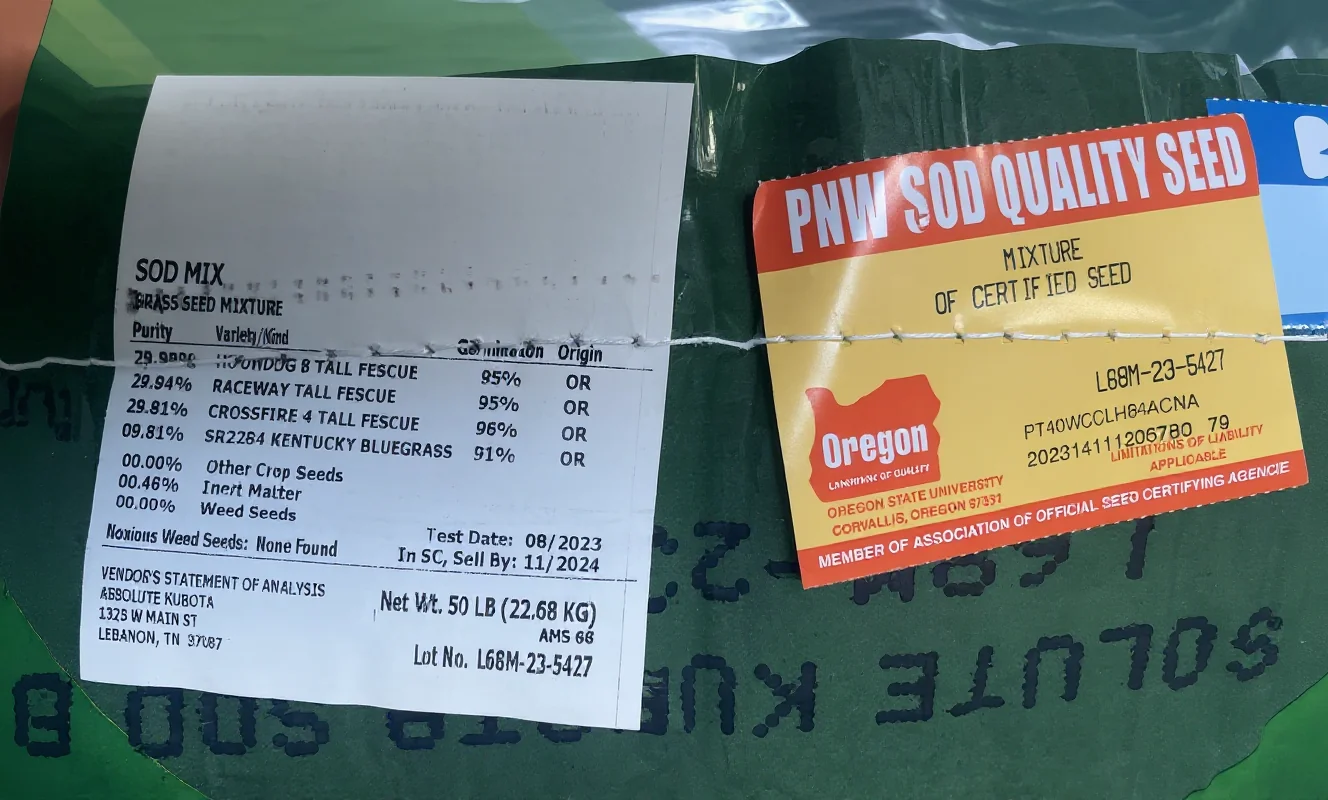
Gold tag certified sod quality fescue seed tag used by Mr. Lawn Care for overseeding Middle Tennessee
Gold Tag Certified Seed
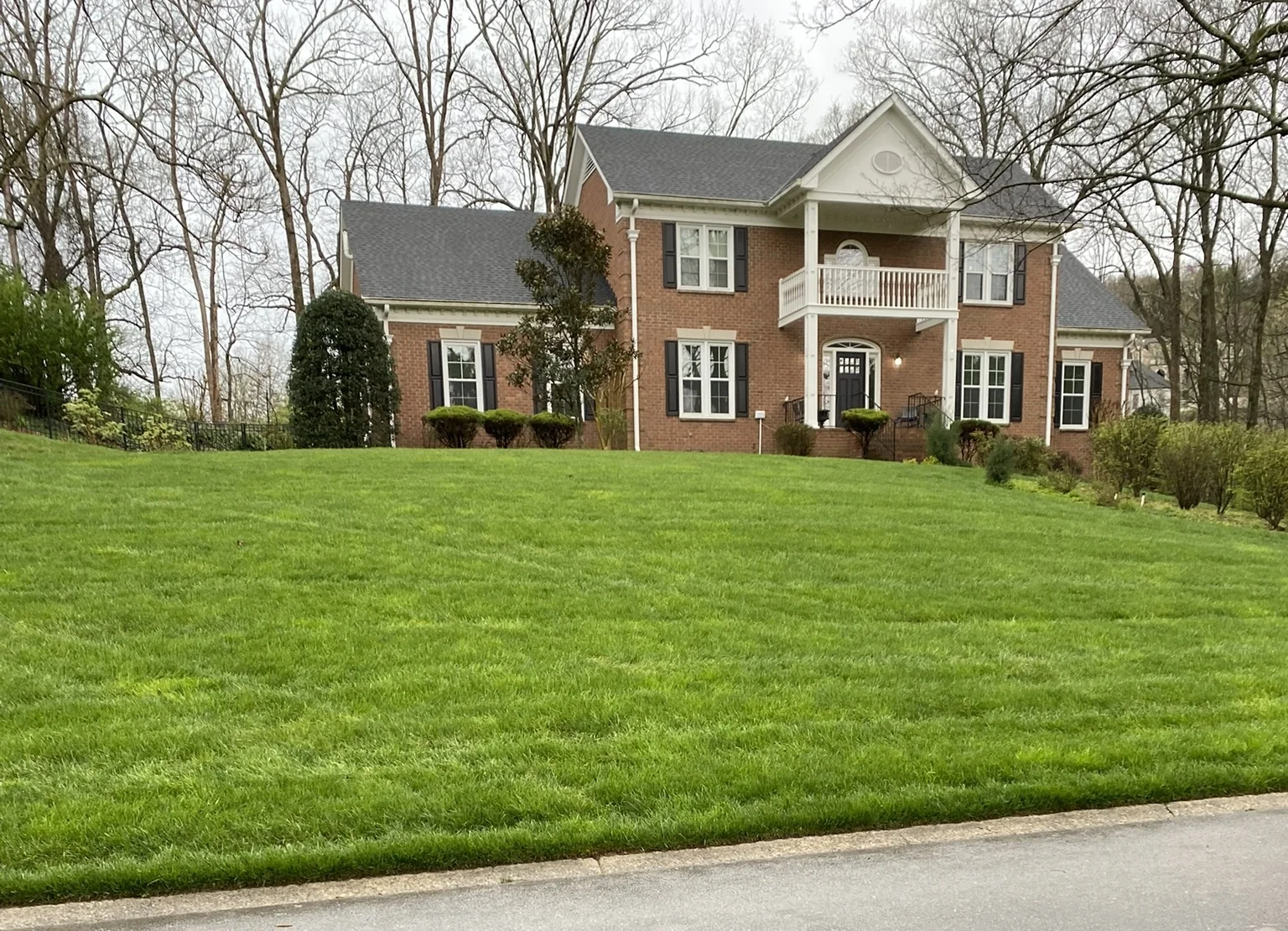
A Beautiful Fescue Lawn on a Hill, Mr. Lawn Care, Middle Tennessee lawn treatment
A Beautiful Fescue Lawn on a Hill
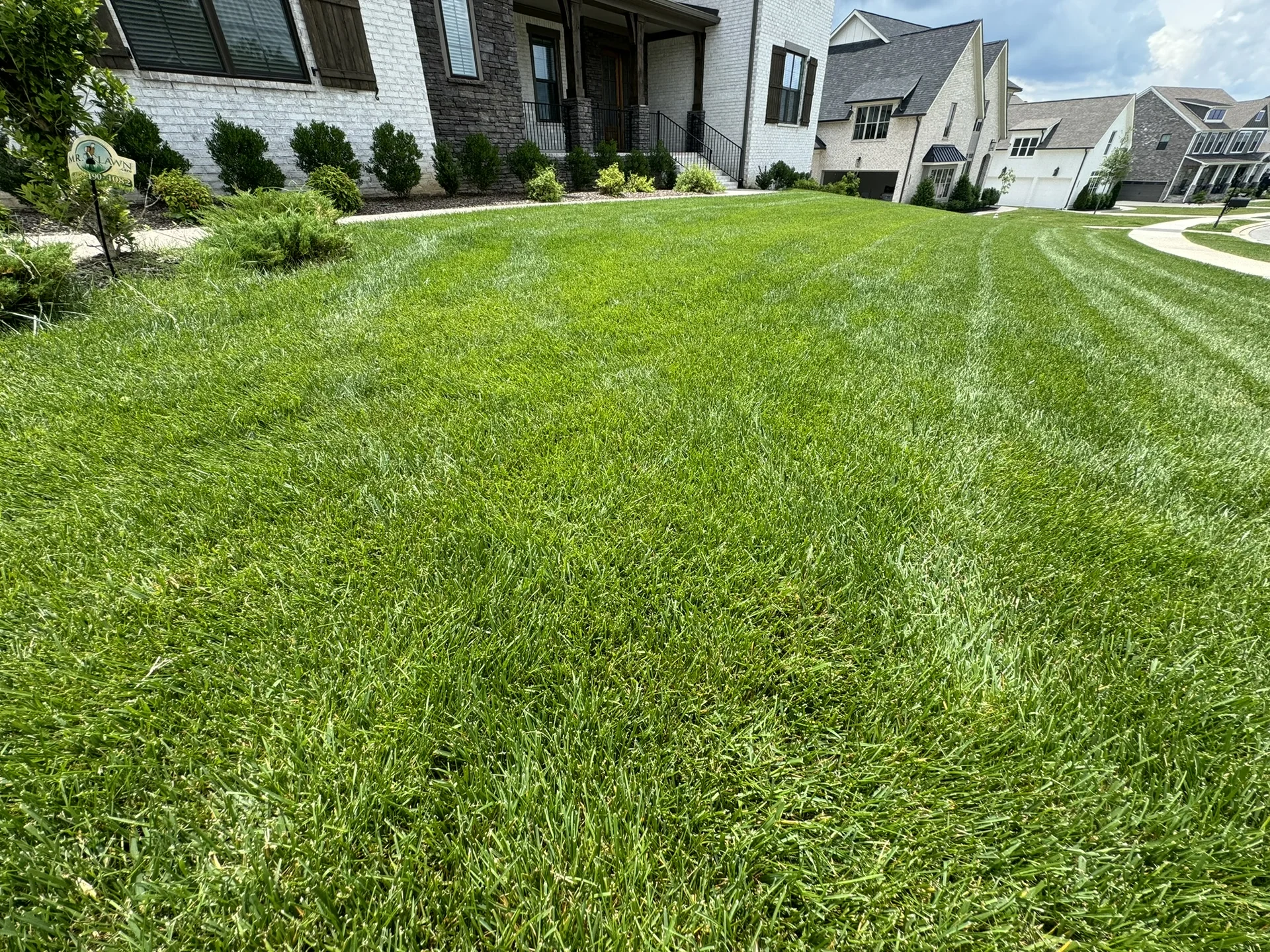
A Beautiful Fescue Lawn in Kings Chapel Neighborhood You Can See the Mr Lawn Care Sign in the Top Right Corner, Mr. Lawn Care, Middle Tennessee lawn treatment
A Beautiful Fescue Lawn in Kings Chapel Neighborhood You Can See the Mr Lawn Care Sign in the Top Right Corner
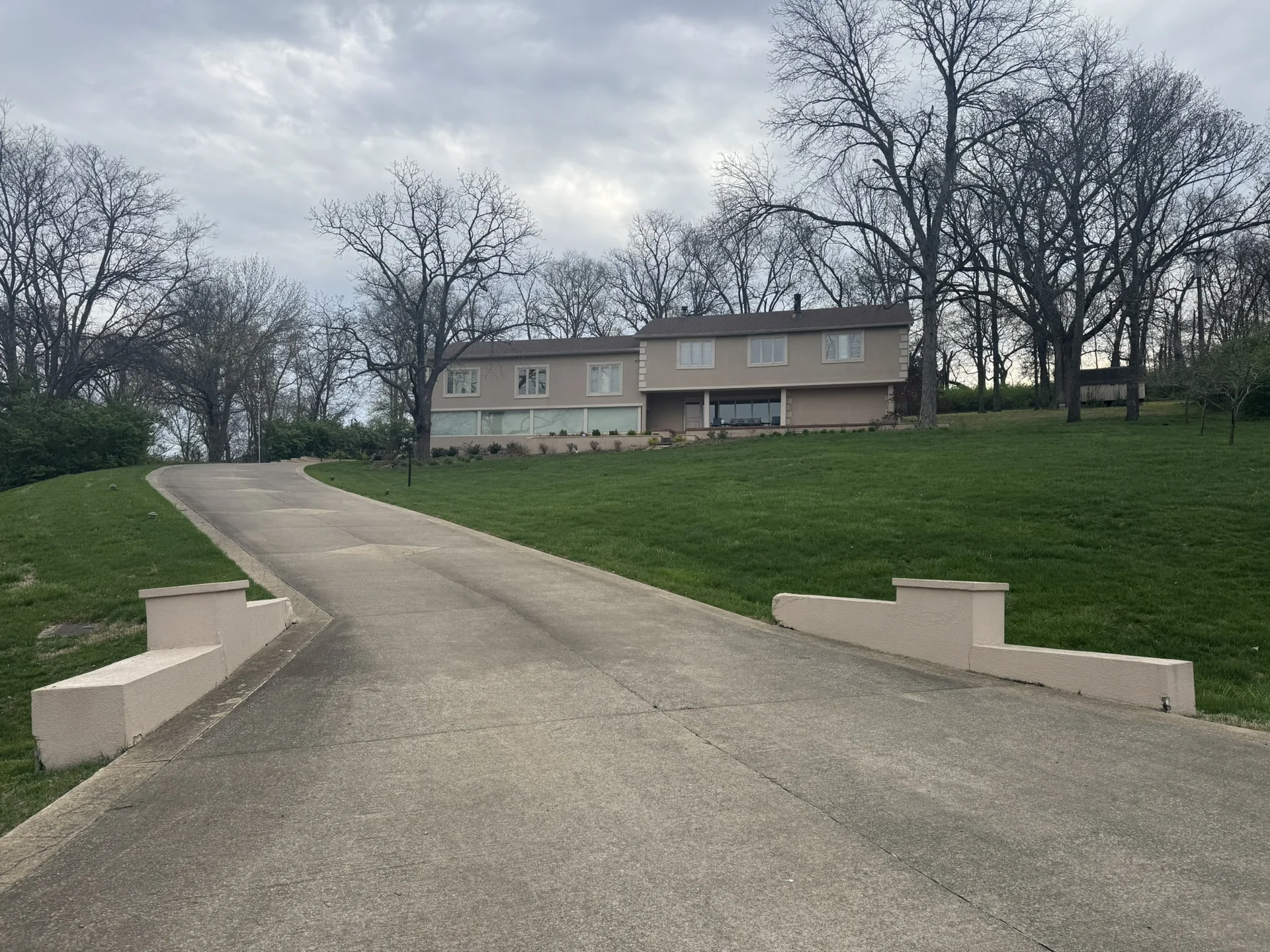
A Beautiful Fescue Lawn on a Hill in Nashville, Mr. Lawn Care, Middle Tennessee lawn treatment
A Beautiful Fescue Lawn on a Hill in Nashville

Ready for Aeration in Thompson's Station?

Get a free quote for professional core aeration & liquid aeration service from our UT Certified team. We serve all of Thompson's Station and surrounding Williamson County areas.