
N.W.
Brentwood, TN
Excellent service and always answer a call which last company we used would take days to call you back. Nice and pleasant to talk with and listens to our needs. Highly recommend Mr Lawn.
Williamson County · Aeration
Professional core aeration & liquid aeration service for Brentwood homeowners, delivered by Middle Tennessee's UT Certified lawn treatment specialists.
A spring core aeration will give you a legitimate green-up.
Every March I get the same call out of Brentwood. The lawn came through winter looking flat, the neighbors' lawns look flat too, and somebody wants to know whether aeration will fix it before the spring entertaining season starts. My honest answer is more useful than a yes. I have tested it on my own accounts, and it holds for a few weeks, sometimes as long as six. It will not change what your lawn looks like in July. Those two sentences are the entire service, and whether they add up to money well spent depends almost completely on how hard your particular lawn gets walked on. In Brentwood that varies more than you would guess.
01
I have run spring aerations specifically to see what they do, not to sell them. They do something real. You get a legitimate green-up, and it holds for a few weeks, sometimes as long as six. The plant responds to the disturbance, roots find the open channels, and the turf reads darker and tighter from the street for about a month and a half. Spring is also the window when a cool-season plant handles mechanical stress well, so you are not asking anything of the lawn it cannot pay for.
Then it fades. A spring aeration will not affect turf quality in July under about 95 percent of circumstances. Put plainer: it will not change what your yard looks like two months from now unless you also seeded with it. Summer performance in a tall fescue (Festuca arundinacea) lawn comes from root depth built the previous fall and from disease pressure managed in real time, and opening holes in April does not touch either one.
That is not an argument against booking it. It is an argument for knowing what you are booking. Six weeks of visible improvement running through April and May, the stretch when a Brentwood front yard gets looked at most, is a real product. Just do not buy it expecting a July dividend.
02
Core aeration is the only thing I know of that relieves genuine soil compaction without tearing the lawn out and starting over. That is a real distinction and I am not going to talk it down. But two qualifications matter, and most companies selling this skip both.
The first is dosage. Cultivation research measures cores per square foot, not passes. K-State puts the effective range at 15 to 30 cores per square foot, and a commercial rolling spoon aerator in a single pass delivers roughly half of that or less. One pass, which is what nearly everybody sells, produces no measurable reduction in bulk density. Getting into that range takes two to three passes over the same ground. I laid the core density research out here.
The second is durability. In Williamson County clay those holes close within weeks. The relief is real and the relief is temporary, which makes aeration a maintenance practice for compaction rather than a repair you buy once.
Then the part nobody wants to say out loud: genuine, heavy compaction is uncommon in a residential lawn. Nature works against it constantly. Root channels open the profile, soil biology keeps it porous, and freeze and thaw cycles through a true transition zone winter do more mechanical loosening than any machine on my trailer. Destructive compaction in turf is almost always something people did to it, concentrated repeated traffic in the same footprint. What most homeowners call compacted soil is heavy clay behaving exactly the way clay behaves.
cores per square foot for effective cultivation
fewer cores per square foot from big box tow-behind units
better establishment from the holes on a typical lawn
03
Two situations make a second aeration, on top of the fall one, worth paying for. Both are traffic cases.
The first is the house that hosts. Twice a month, sometimes more, the backyard fills up with people. Brentwood has a lot of these. Lot sizes here run larger than in the newer boom towns, most of the good ones sit on native topography with old-growth trees rather than a scraped and filled builder pad, and almost every property is irrigated, so the yard is genuinely usable as an outdoor room. Around Annandale, Brenthaven, Brentmeade Estates, and Governor's Club I treat plenty of lawns that function as event space eight months a year. That is real anthropogenic compaction in a defined footprint, which is exactly the pattern that justifies aerating twice.
The second is the kid who practices every day. If there is a soccer or lacrosse player wearing a bare track into the same forty feet of turf from March through November, that lawn is being re-compacted faster than biology can undo it. A spring aeration on that yard is not cosmetic.
If neither one describes your property, I would rather you skip the spring pass and spend the money in September. The other side of Brentwood's geography matters too: older, shadier neighborhoods under mature canopy hold dew on the leaf hours longer than open lots, and that is a brown patch problem, not a compaction problem. Aerating will not help it. Fungicide timing will.
04
Opening the soil in spring increases crabgrass pressure. There is no way around that. You are disturbing the top of the profile right when soil temperatures are climbing into the germination range, and any pre-emergent barrier you have down gets physically interrupted where the tines come through.
I account for that rather than pretending it does not happen. My pre-emergent program runs on a two-pass schedule instead of a single spring application, which keeps a barrier reforming across the season rather than relying on one intact layer that a set of aeration tines can compromise. If you are aerating in spring and somebody has not talked to you about how that interacts with your pre-emergent, they have not thought it through.
05
The pattern matters more than people expect. I run parallel passes, then a second set at 45 degrees to the first, which produces a diamond layout. Not circles, and not a 90 degree crosshatch. Circles give you uneven core density, more holes on the inside radius than the outside, and the result reads irregular from the road. Forty five degrees rather than ninety yields more holes per square foot for the same amount of driving.
On equipment, one clarification that saves homeowners money. The walk-behind aerators you rent from a store are fine. They are heavy enough to pull a real core, and a motivated homeowner will get a decent job out of one. The units I would steer you away from are the tow-behind aerators sold at big box stores to pull behind a riding mower. They are not heavy enough to pull a real core and the tine spacing is too wide, which lands them around 70 percent below commercial core density. That is not a fixable technique problem, it is a weight problem.
Liquid aeration I will describe honestly, because it gets oversold worse than the mechanical service. Its value in my program is moisture retention at seed depth, which improves germination speed, not germination rate. That is a seeding-season benefit. On a standalone spring aeration with no seed going down, do not let anybody price it to you as a soil transformation.
Telling you what you do not need is the part of this job I am actually known for.
06
There is an entire category of companies that market aeration as magic. The same operations sell beneficial bacteria in a jug, peptides, liquid micronutrients, and carbon products. Grass does not need those things. I am telling you, it just does not.
I have never seen a tree drop an acorn with a core aerator attached to it, poke a hole, and plant itself. It just grows. You would honestly be surprised how good a seed job you get from throwing seed out with no holes at all. Roughly 90 percent of the spots where you put seed will fill in. The reason I run a machine is that last 10 percent, the spots where leaf litter or a grass mat blocks contact, and the fact that I cannot run a business on callbacks about the one corner that did not come in.
Which is why most of my aeration volume does not happen in spring at all. It happens in September, with a metered drop seeder mounted on the machine, because core aeration is the least aggressive way I know to put seed in contact with soil without damaging the turf already there. On open ground it improves establishment maybe 10 to 15 percent in my experience. Where a Bermuda grass (Cynodon dactylon) mat has run in along a sunny driveway or pool surround, it is closer to 75 to 90 percent, because seed sitting on top of that mat never reaches soil and the hole is its only door in. That version of the service is the fall aeration and overseeding program, and it is the one I push.
How often you need it comes down to genetics rather than effort. Old-genetics fescue in the transition zone wants reseeding annually. Modern improved cultivars average closer to every three years. My blend runs Traverse 2 SRP, 4th Millennium SRP, and Triad fescues, all three on UT Extension's list of statistically top-performing tall fescues for Tennessee from NTEP trials, cut with 10 percent Barvette HGT Kentucky bluegrass (Poa pratensis) by weight for the lateral repair and disease firebreak that fescue cannot supply on its own. The case for that mix is here.
Middle Tennessee fescue lawns thin every single summer. The combination of heat stress above 90°F and the region's persistent fungal pressure, brown patch and dollar spot thriving in our humid, dew-soaked conditions, means fescue loses density every year without exception. That thinning is why annual overseeding is not optional here; it is essential maintenance. Core aeration is the best way to prepare for fall overseeding without damaging the existing grass stand, and fall is when fescue naturally wants to recover and grow. The clay soils throughout Maury, Williamson, and Davidson counties do compact and benefit from the physical channels aeration creates, but the real Middle Tennessee reason to aerate is to set up the best possible overseeding result.
Get a customized core aeration & liquid aeration service plan for your Brentwood property.
Request a QuoteOr call (615) 490-4082★ UT Certified Lawn Care Professional
★ Tennessee Turfgrass Association Member
★ Turfgrass Water Conservation Alliance Member
★ Nextdoor Neighborhood Favorite
★ BBB A+ Accredited
For most properties, no, and I will say so on the phone. You will get a real green-up that holds a few weeks, sometimes up to six, and then the lawn returns to whatever its fall root system and disease program can support. The lawns where I do recommend it are traffic lawns: the house that entertains in the backyard twice a month, or the yard with a kid practicing in the same spot every evening. If that is not your property, put the money into September instead.
It increases the pressure, yes. You are disturbing the soil surface right as soil temperatures reach crabgrass germination range, and the tines physically interrupt whatever pre-emergent barrier is down. I do not pretend otherwise. I run pre-emergent on a two-pass schedule rather than one spring application, so a barrier keeps reforming across the season instead of depending on a single intact layer. If a company is aerating your lawn in spring and has not discussed how that interacts with your pre-emergent timing, that is a gap.
Usually it is Williamson County clay doing what clay does when it dries out, not true compaction. Real destructive compaction in a lawn is almost always caused by concentrated repeated traffic in one footprint, and nature undoes the rest through root channels, soil biology, and winter freeze and thaw. Core aeration is the only remedy that relieves genuine compaction without destroying the turf, but the relief is temporary and those holes close within weeks in our clay. Hard soil alone is not a reason to book it.
Two aerations a year makes sense on a genuinely trafficked lawn, and Brentwood has plenty of them. Around Annandale, Brenthaven, and Governor's Club I treat properties where the backyard functions as event space most of the year, plus yards hosting daily sports practice. Those lawns are being re-compacted faster than biology can keep up, so spring and fall both pay. For everyone else, one fall aeration paired with seeding does more for the lawn than two passes with no seed behind them.
The tow-behind units sold at big box stores to pull behind a riding mower are the wrong tool. They are not heavy enough to pull a real core and the tine spacing is too wide, which puts them roughly 70 percent below commercial core density. No amount of technique fixes a weight problem. A walk-behind aerator rented from a store is a different machine entirely and will do a respectable job for a homeowner. Run parallel passes, then a second set at 45 degrees, and irrigate the night before.
N.W.
Brentwood, TN
Excellent service and always answer a call which last company we used would take days to call you back. Nice and pleasant to talk with and listens to our needs. Highly recommend Mr Lawn.
T.P.
Spring Hill, TN
AJ is a lawn expert. Mr. Lawn costs around what I was spending at Homedepot and lowes to buy my own misery. We started together late season of 2022. The yard was barely ok after 4 years of me trying. We had 1 acre of… Read T.P.'s full review
View on GoogleA.C.
College Grove, TN
AJ is a great guy with an incredible knowledge about lawn care. His focus is weed control, fertilization, aeration and overseed, etc....he doesn't mow. I'm glad he doesn't mow as he's laser focused on making your lawn… Read A.C.'s full review
View on GoogleT.P.
Spring Hill, TN
AJ is a lawn expert. Mr. Lawn costs around what I was spending at Homedepot and lowes to buy my own misery. We started together late season of 2022. The yard was barely ok after 4 years of me trying. We had 1 acre of…
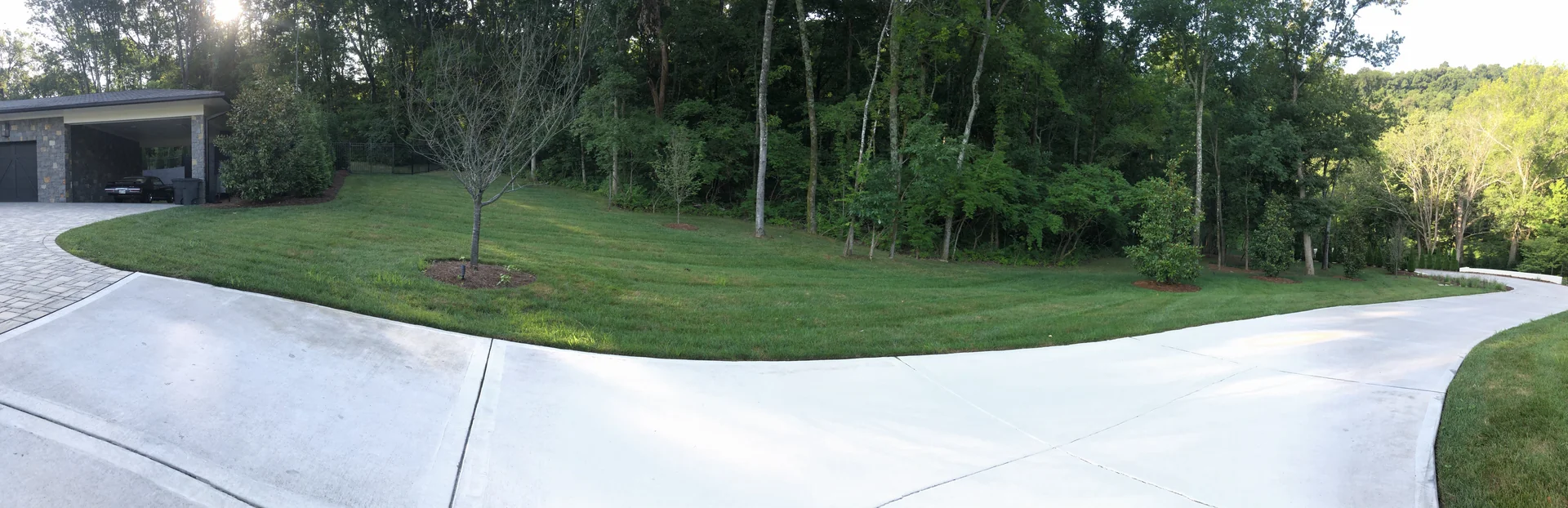
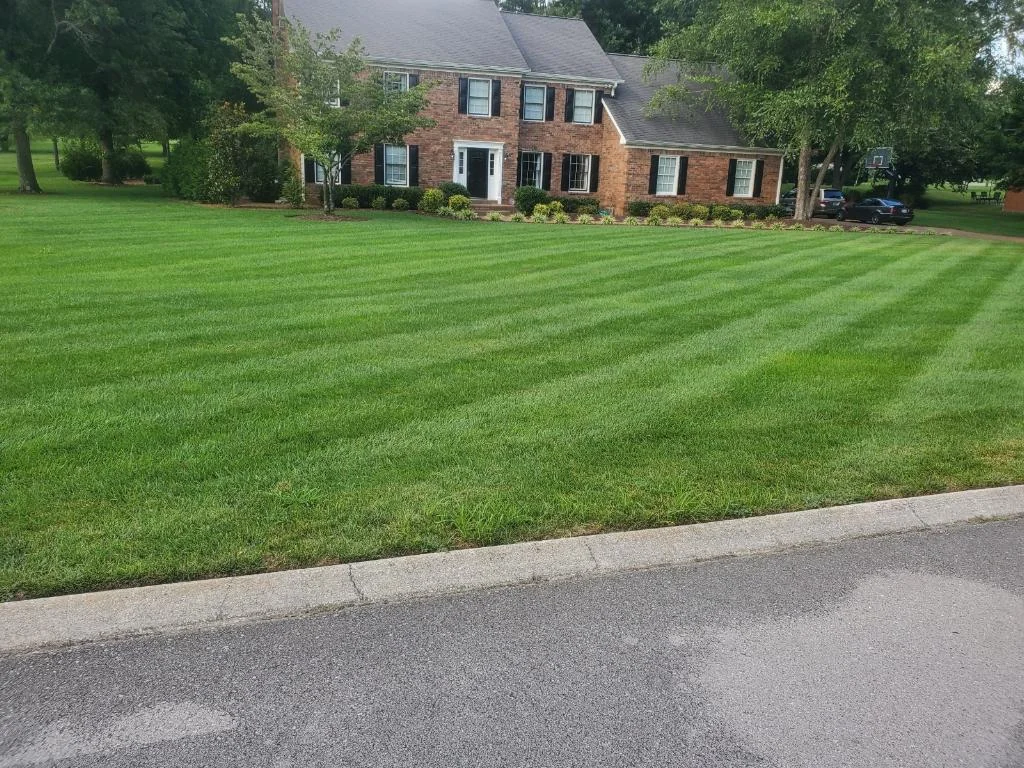
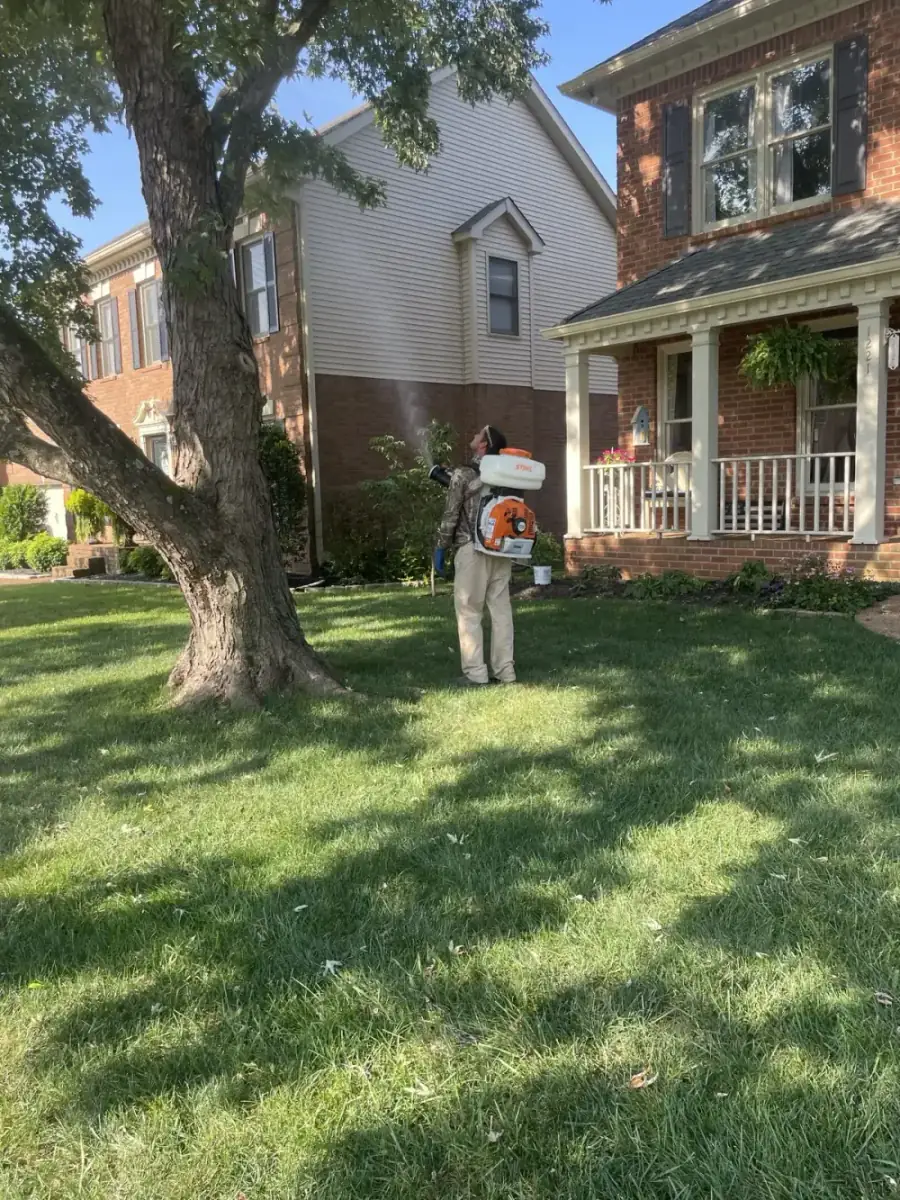
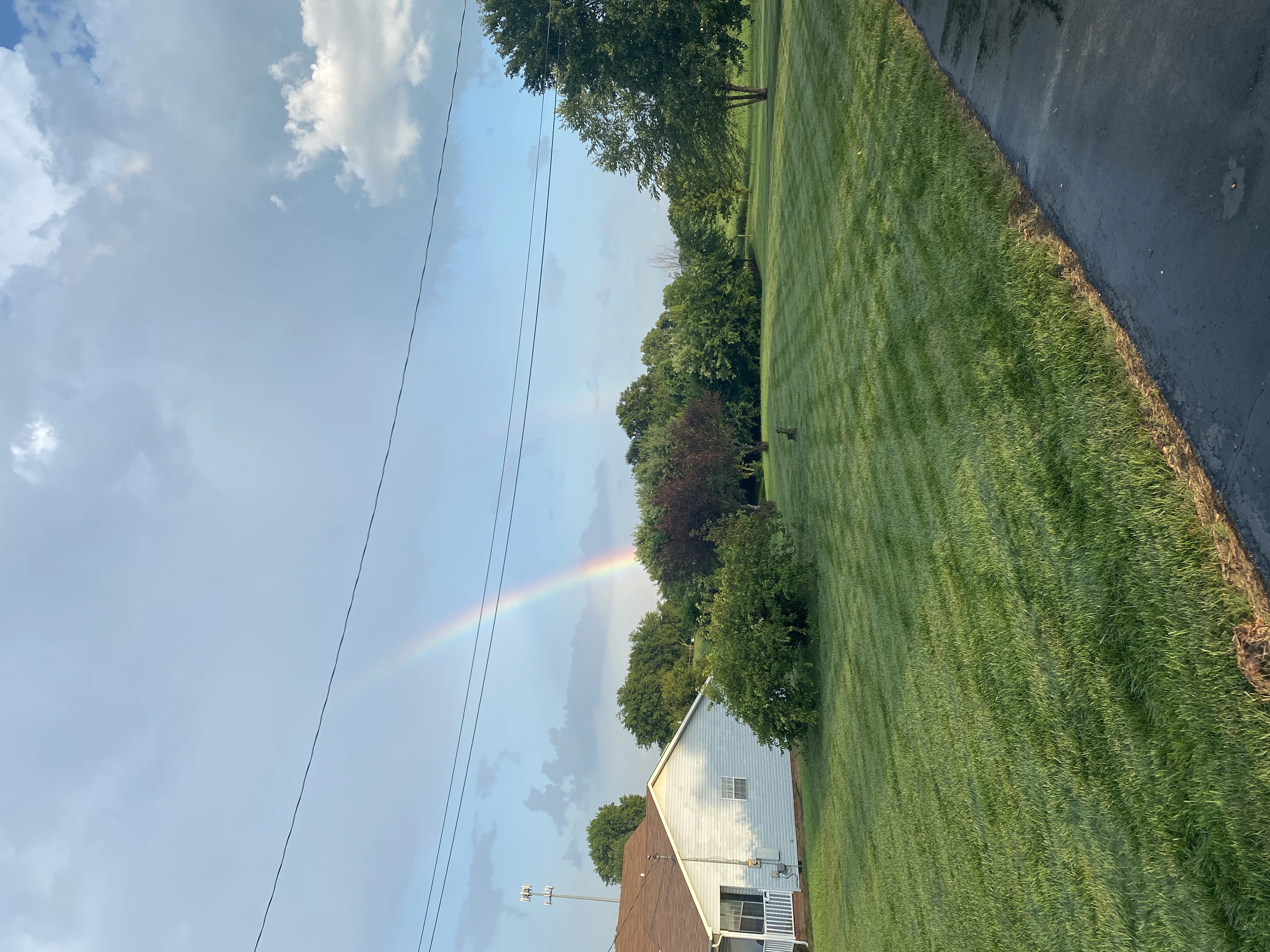
Actual photos from core aeration & liquid aeration service jobs in Brentwood and surrounding Middle Tennessee areas.
Get a free quote for professional core aeration & liquid aeration service from our UT Certified team. We serve all of Brentwood and surrounding Williamson County areas.