
N.W.
Brentwood, TN
Excellent service and always answer a call which last company we used would take days to call you back. Nice and pleasant to talk with and listens to our needs. Highly recommend Mr Lawn.
Williamson County · Lawn Aeration & Seeding
Professional lawn aeration & seeding for Brentwood homeowners, delivered by Middle Tennessee's UT Certified lawn treatment specialists.
Brentwood lawns get graded from the street, and everybody here knows it.
Lots run large, the topography is real, and the old growth hardwoods that make these streets worth living on are the same trees that hold dew on the grass an extra hour or two every morning. Almost every lawn in town is irrigated, so unlike most of Williamson County, water is rarely what limits a Brentwood stand. What limits it is disease pressure under mature shade in the established neighborhoods, and the age of the genetics in stands that were seeded a long time ago. Both of those come out of the same seed bag. That is what fall aeration and seeding actually is in Brentwood: a genetics upgrade with a hole punching step attached.
01
Tall fescue, Festuca arundinacea, produces short rhizomes, but its practical lateral spread is minimal and it shrinks further the lower you mow. Every plant effectively lives and dies within an inch or two of where its seed landed. So when brown patch, Rhizoctonia solani, takes plants out of a shaded backyard in Brenthaven or Brentwood Hills in July, the stand does not grow back over the hole. It is still a hole in September, and still a hole next April, unless seed goes into it.
The older neighborhoods carry the highest disease pressure in town because mature canopy slows morning air movement, and a Middle Tennessee lawn can sit wet twelve hours a day on dew alone. Warm nights over a blade that never dries is the exact condition brown patch wants.
Genetics decide how often you have to answer for that. A transition zone fescue lawn running old genetics needs reseeding every single year just to hold its density. A stand built from modern improved cultivars averages about once every three. Same climate, same mower, different plants. So the question I ask every customer in August is the only one that matters: walk out and tell me whether you have enough grass where you want grass. If you do, skip this year and keep your money.
02
Everybody waits for October, and October is late. A grass seed does not need good weather to start. It needs good weather about four weeks in.
Put a fescue seed in a wet paper towel, inside a ziplock bag, in a dark drawer with no soil, no light and no fertilizer, and it will still push three or four inches on nothing but the reserves in its seed pod. That is the entire mechanism. The seedling eats its own groceries first and only needs cooperative weather once the pod is spent. Seed that goes down the last week of August runs out of reserves right as September cools off, and spends that window growing. The October seeding is still germinating as the same window closes. In Middle Tennessee that gap is three to six weeks of growth and a meaningfully more mature stand heading into winter.
UT Extension puts the preferred fescue window at late August through mid September in publications PB 1576 and W 160-F, and warns that late seeding produces immature plants prone to low temperature stress. Germination takes five days minimum under perfect conditions and realistically seven to fourteen days in a real yard, so there is no slack in the calendar. What you do this fall decides what your lawn survives next July.
This particular fall carries a wrinkle worth knowing about. The El Niño developing for the coming winter should tilt our normally dry fall wetter, which is good for establishment and not uniformly good news, because warm wet September nights under a Brentwood canopy also feed disease. My full read on the El Niño fall is here.
03
I have never seen a tree drop an acorn with a core aerator attached to it. Throw seed on the ground and roughly ninety percent of it finds somewhere to grow. But I cannot run a business on ninety percent, and the missing ten percent is never scattered at random. It is the shaded strip along the drive, the ground under heavy leaf drop from those hardwoods, the hot run where common Bermuda grass, Cynodon dactylon, has matted over the soil along a driveway edge. On open turf, aeration improves establishment a modest ten to fifteen percent over broadcasting alone. Where a Bermuda mat is intercepting seed, the holes put it into soil it could never otherwise reach, and in my experience that improvement runs closer to seventy five or ninety percent.
I run parallel passes, then a second set at forty five degrees rather than ninety, which lays down a diamond and gives more holes per square foot. Seed drops through a metered seeder built into the aerator, straight into the open holes, instead of being flung by a spinner into the mulch beds and the driveway. On lots this size that shows up as an even germination pattern and a clean line along beds and hardscapes.
On compaction, here is the accurate version rather than the sales version. Core aeration does relieve compaction, and it is essentially the only method that does so without tearing the lawn out. It is temporary, since the holes close within weeks, and it takes real core density to register: K-State puts effective cultivation at fifteen to thirty cores per square foot, and a single commercial pass delivers about half that. Genuine compaction is also rarer than the industry admits, because freeze thaw cycles and root channels work against it year round. The lawns that truly have it are the ones people keep re-compacting: the backyard that hosts everything, the patch where a kid practices nightly. Those earn a second aeration in spring, which is what the standalone core and liquid aeration service exists for. In fall, aeration earns its price on seed delivery.
Liquid aeration goes down with the cores as part of this service. It holds moisture in the top of the soil profile, right at seed depth, through the weeks the seedling is still living on its own reserves. Be precise about what that buys: speed, not rate. The same percentage of seed comes up either way, it just comes up sooner. Where irrigation covers the whole lawn, which in Brentwood is most of them, that edge is smaller. On the back acre the heads never reached, and most of these properties have one, it is the difference maker.
Gold tag, Sod Quality Certified, is what I buy: roughly six times the sample size, zero tolerance on noxious weeds, field inspections through the growing season, and third party inspection at every transfer from harvest to final bag. I contact seventy to eighty growers and distributors a year to build a blend out of it.
04
There are three certification levels on grass seed and most people have only ever seen the least meaningful one. The white tag on every bag is federal law, a statement of contents rather than a standard of quality. Blue tag means a land grant university verified the cultivar and tested it against thresholds for noxious weed, other crop and weed seed.
What is in that bag right now is three turf type tall fescues, Traverse 2 SRP, 4th Millennium SRP and Triad, with Barvette HGT Kentucky bluegrass as the ten percent. All three fescues sit on UT Extension's list of statistically top-performing tall fescues for Tennessee (NTEP trials), and I picked them for brown patch resistance, rhizomatous self repair and wear recovery, which is the short list of what a shaded Brentwood summer asks of a lawn. Barvette HGT is the one I would point at. It establishes unusually fast for a bluegrass, its rhizomes are what knit the stand back together after damage, and it came out of Barenbrug's Healthy Grass Technology program, which stress tests for the transition zone persistence we need here.
All of that reads like overkill until you price cheap seed honestly. Kentucky 31 is the cheapest fescue sold, and the price traces straight back to the standard of care in the production field, where weeds the grower could not control get harvested with the crop. Dallisgrass is the costly passenger, since Oregon seed testing classifies it as other crop seed rather than a weed and lets it ride at a higher threshold. You plant it in fall, see nothing all winter, and meet it the following July as a coarse clump that takes me three to five years to remove.
05
Plenty of Brentwood lawns do not need a renovation. They need refinement, and that changes the rate. My working average is six to seven pounds per thousand square feet, up to ten on bare soil, and as little as three on a stand that is already dense. Three pounds sounds cosmetic, and partly it is. A few percent more plant density is what makes a mower stripe hold its line and an edge along the drive read sharp from the road, and in a town where the lawn is judged from the street, that last few percent is frequently the whole assignment. Heavier is not better, since an overcrowded fescue stand creates its own disease problems the following summer.
The blend itself is ninety percent turf type tall fescue and ten percent Kentucky bluegrass, Poa pratensis, by weight, which is the sod farm ratio and the reasoning behind the fescue and Kentucky bluegrass mix. Bluegrass rhizomes give the stand the lateral self repair fescue does not have, and they act as a firebreak, since brown patch travels by plant to plant contact and some bluegrass cultivars are close to immune to it. Everything I put down is guaranteed to germinate within thirty days, and if an area does not come in, I re-aerate and reseed it at no charge.
Middle Tennessee sits in the transition zone where both cool-season and warm-season grasses struggle. Fescue is the best choice for the region, but it requires annual overseeding to maintain density because it does not spread laterally like bermuda or zoysia. The summer heat stress common in the I-65 corridor thins fescue lawns every year, making fall overseeding an essential annual maintenance practice.
Get a customized lawn aeration & seeding plan for your Brentwood property.
Request a QuoteOr call (615) 490-4082★ UT Certified Lawn Care Professional
★ Tennessee Turfgrass Association Member
★ Turfgrass Water Conservation Alliance Member
★ Nextdoor Neighborhood Favorite
★ BBB A+ Accredited
It helps, and it changes less than people expect. Irrigation removes the single most common reason a seeding fails, which is a homeowner who cannot keep the top half inch of soil damp for two weeks. Watered daily, you can see results in seven to ten days. What irrigation does not do is change the calendar or the genetics. A watered lawn seeded in October is still a young plant going into winter, and a watered lawn running old cultivars still thins every year. Run the zones short and often while the seed is up, not long and deep.
It changes the size of the problem, not the conditions. The shade and the dew are staying. What you can change is what is growing in it. A 2024 Agronomy Journal field study from Purdue and Virginia Tech found stands built from at least seventy five percent brown patch resistant cultivars showed seventy one to eighty three percent lower disease severity than susceptible stands, from seed selection alone, before any fungicide. Adding Kentucky bluegrass drops it further by interrupting plant to plant spread. In the older shaded Brentwood yards I pair that seed with the summer fungicide rotation in the treatment plan.
No, and I will tell you when to skip it. Budget for roughly once every three years and you will be close, as long as the stand is built on modern cultivars and the treatment plan is holding. Old genetics are the exception. A lawn seeded decades ago, or a newer build that got a contractor blend, is on an annual clock whether anyone told you or not. Overseeding modern cultivars through the existing turf moves it onto the three year clock, which is the part of this service that actually saves money.
Yes, and the reason surprises most people: the sod on your lot was never pure fescue. Sod farms blend Kentucky bluegrass in because its rhizomes are what hold a roll together when it is cut, so what got laid down is already a fescue and bluegrass stand. My blend is the same two species at the same ratio, so seeded ground grows into the sodded ground rather than reading as a patch of different grass beside it. That matters more here than in most towns, because these lawns get compared at a glance from the road.
Get on the list in early August. UT Extension puts the fescue window at late August through mid September, and I can only complete five or six of these properties a day, which on Brentwood lot sizes is the low end of that. The schedule fills across the whole service area in order, so the calendar can run out before the window does. October jobs still work and I still do them, but they give up the strongest weeks of growth and go into winter as younger plants.
N.W.
Brentwood, TN
Excellent service and always answer a call which last company we used would take days to call you back. Nice and pleasant to talk with and listens to our needs. Highly recommend Mr Lawn.
S.B.
Spring Hill, TN
AJ is wonderful. We are so happy that we chose him to do our yard. We now have carpet grass instead of weeds and dirt. After trying to create a carpet of grass for 14 years and failing, We hired AJ (Mr. Lawn). He tested… Read S.B.'s full review
View on GoogleT.O.
Lewisburg, TN
In just one year Mr Lawn has transformed my yard. I trust AJ with my yard. Here are before and after photos.
View on GoogleB.M.
Spring Hill, TN
Mr Lawn was hired to restore our lawn, killed by our previous service. He has been successful. His earth friendly quality products, personalized attention to the needs of our yard, knowledge (he will discuss the… Read B.M.'s full review
View on GoogleK.D.
Franklin, TN
A year ago our lawn was full of weeds and crabgrass. A.J. has done a wonderful job of restoring our lawn to a nice green beautiful lawn.
View on GoogleD.J.
Franklin, TN
As a former chemistry teacher and graduate of Clemson, I appreciate AJ's knowledge and information. I am able to give excellent aftercare by following his emailed instructions. Please sign up for one year and you will… Read D.J.'s full review
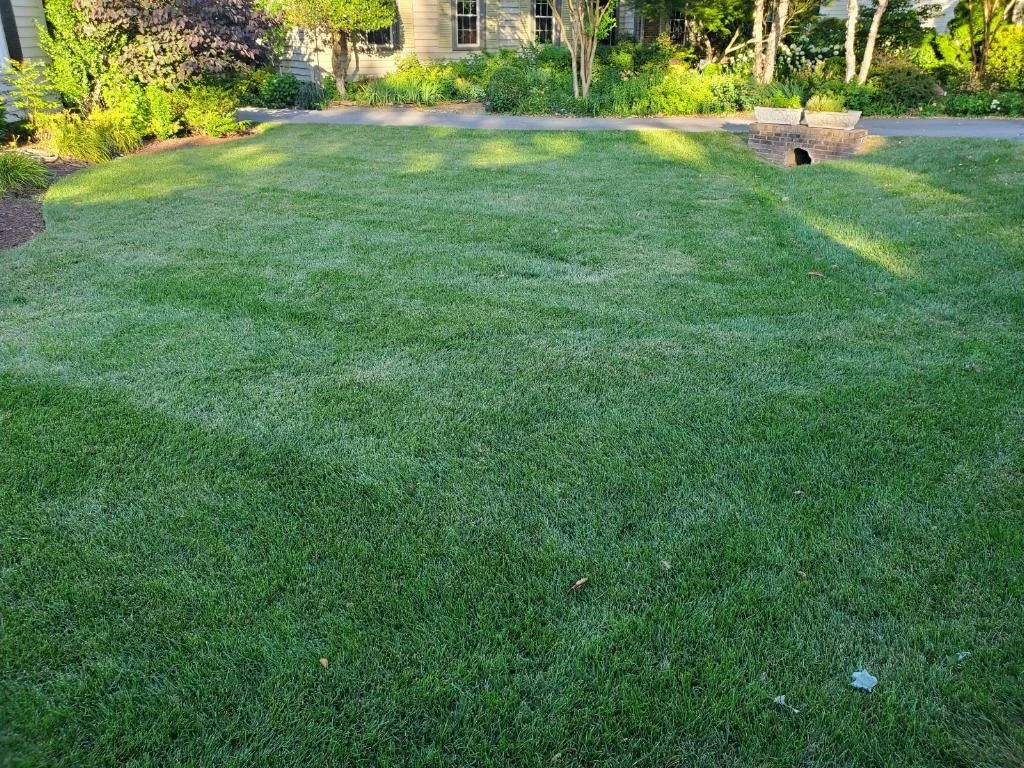
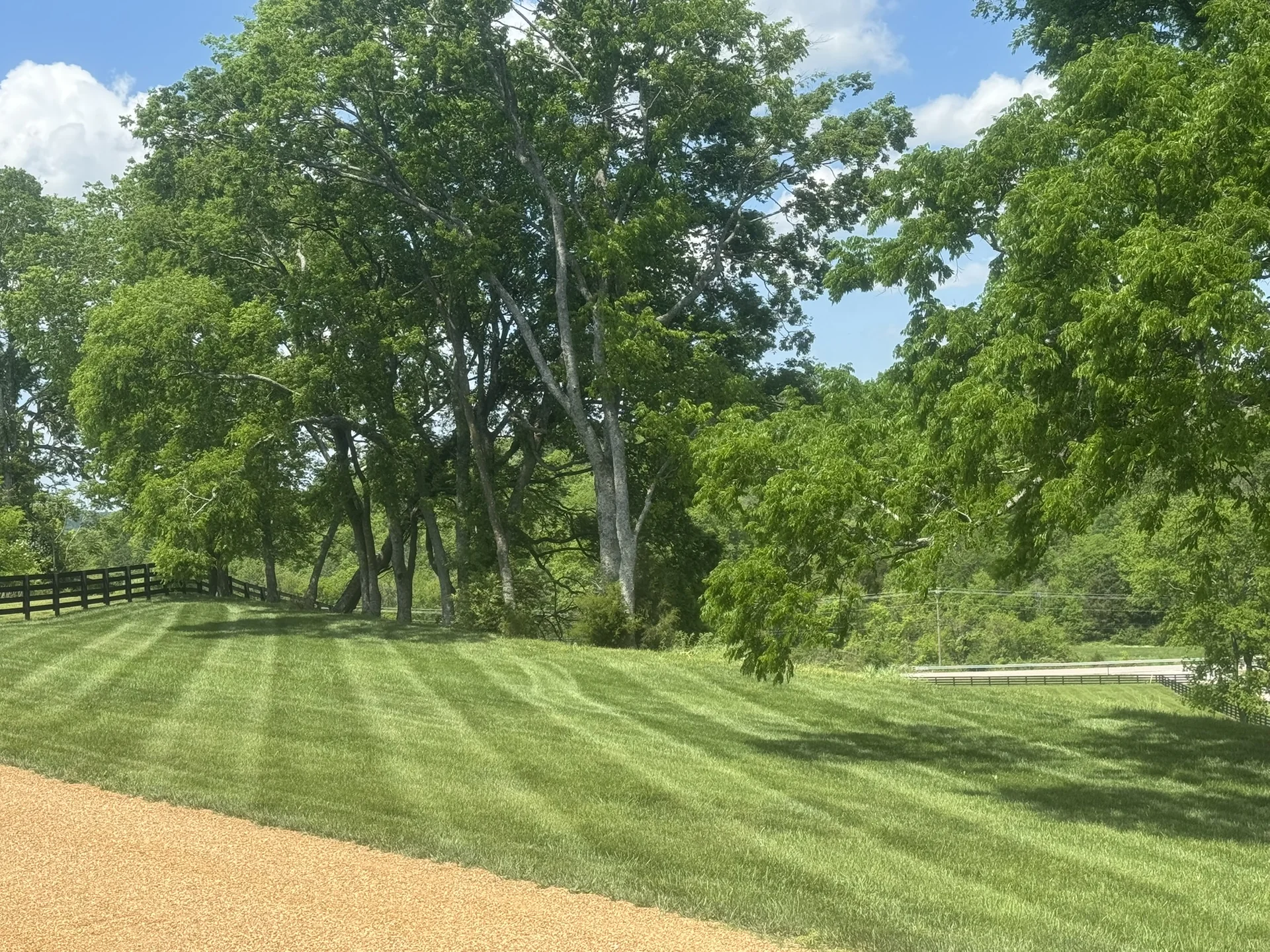
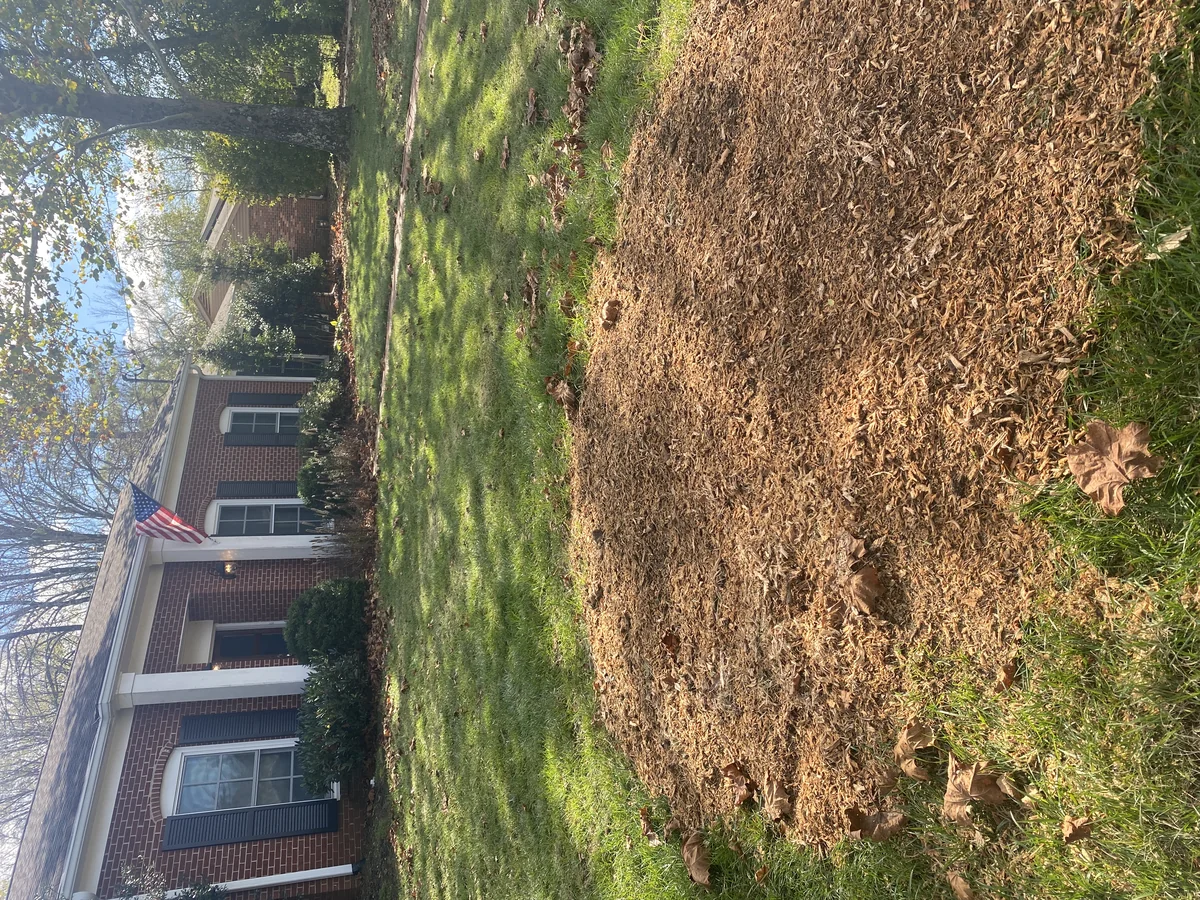
View on GoogleActual photos from lawn aeration & seeding jobs in Brentwood and surrounding Middle Tennessee areas.
Get a free quote for professional lawn aeration & seeding from our UT Certified team. We serve all of Brentwood and surrounding Williamson County areas.