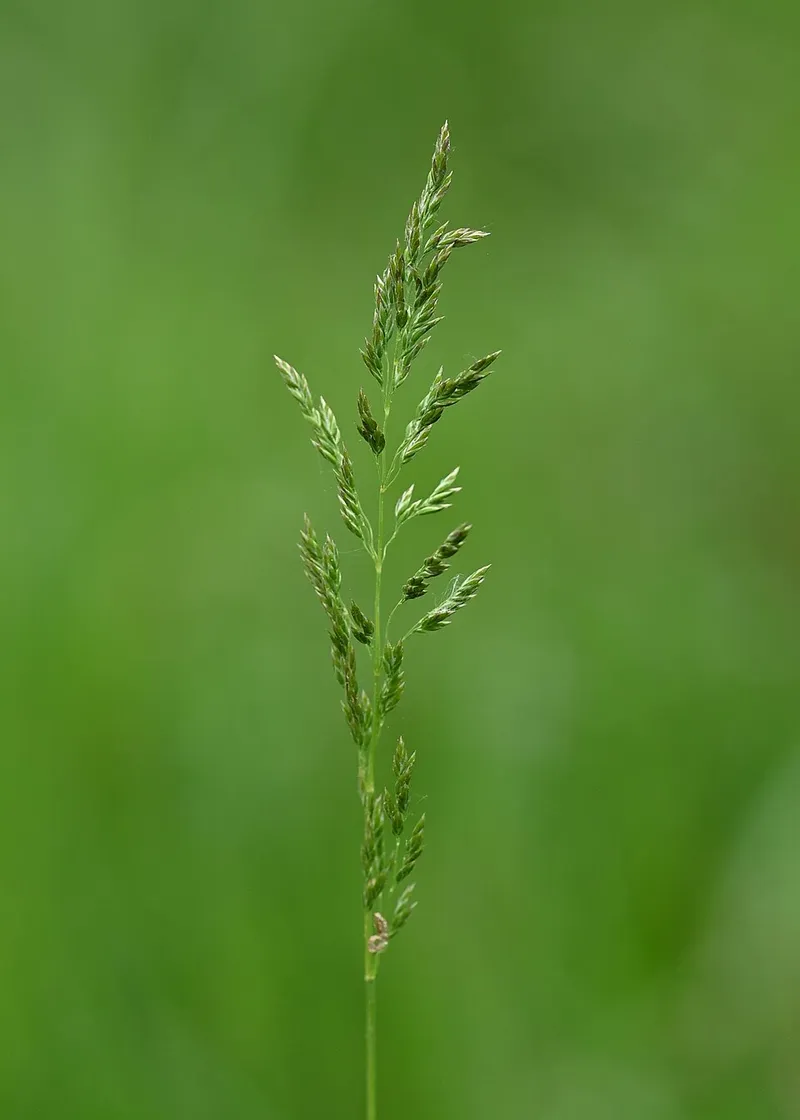
About Kentucky Bluegrass
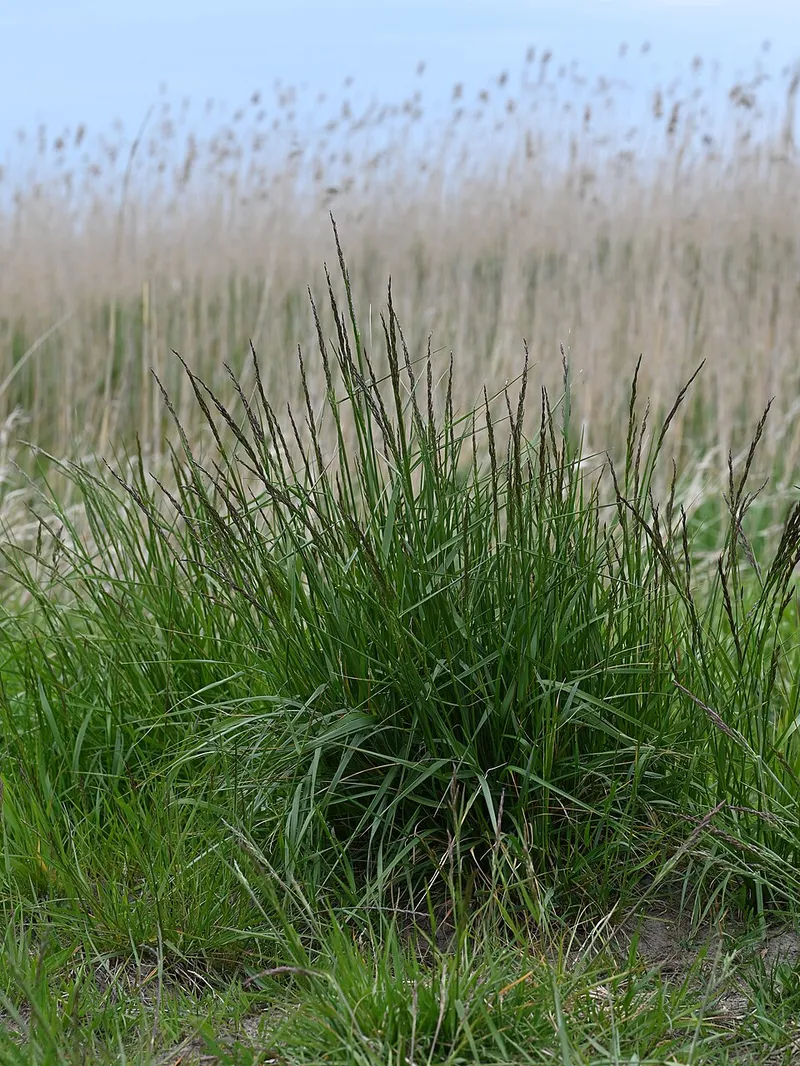
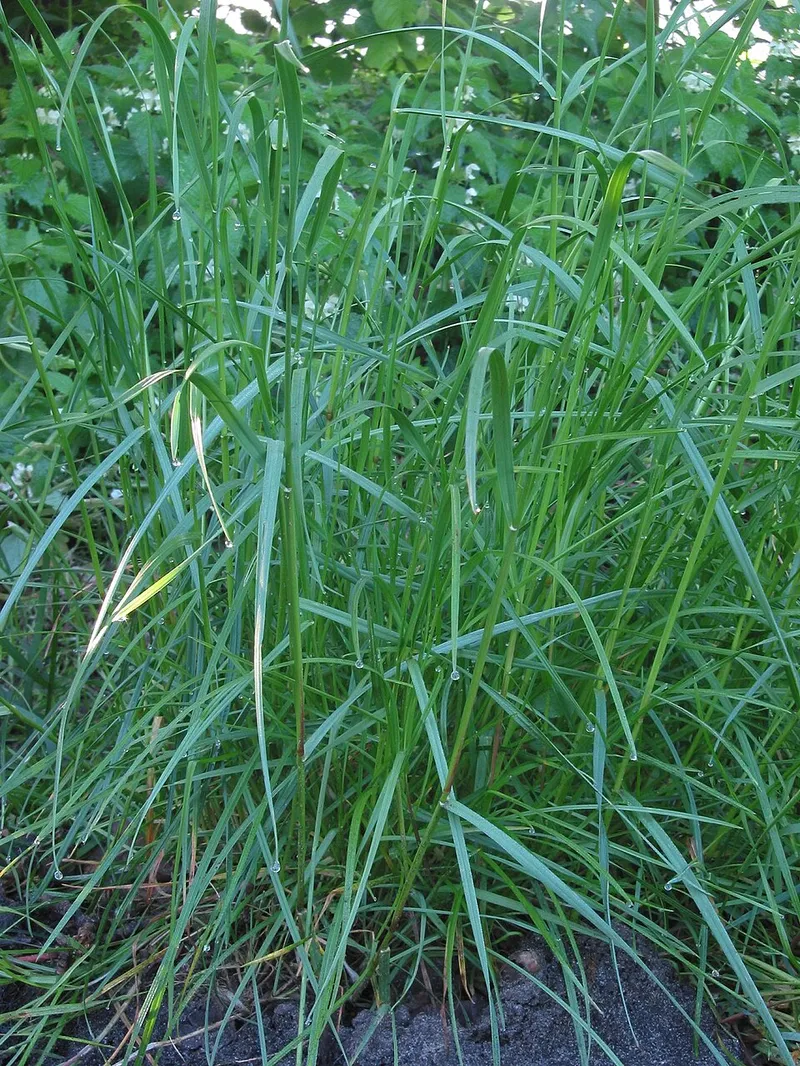
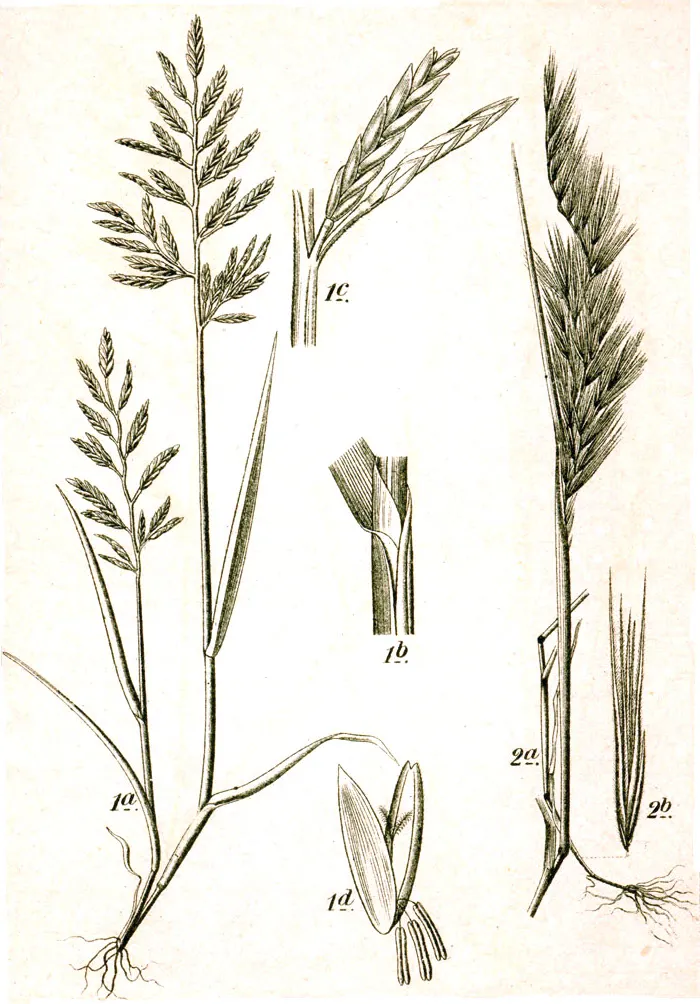
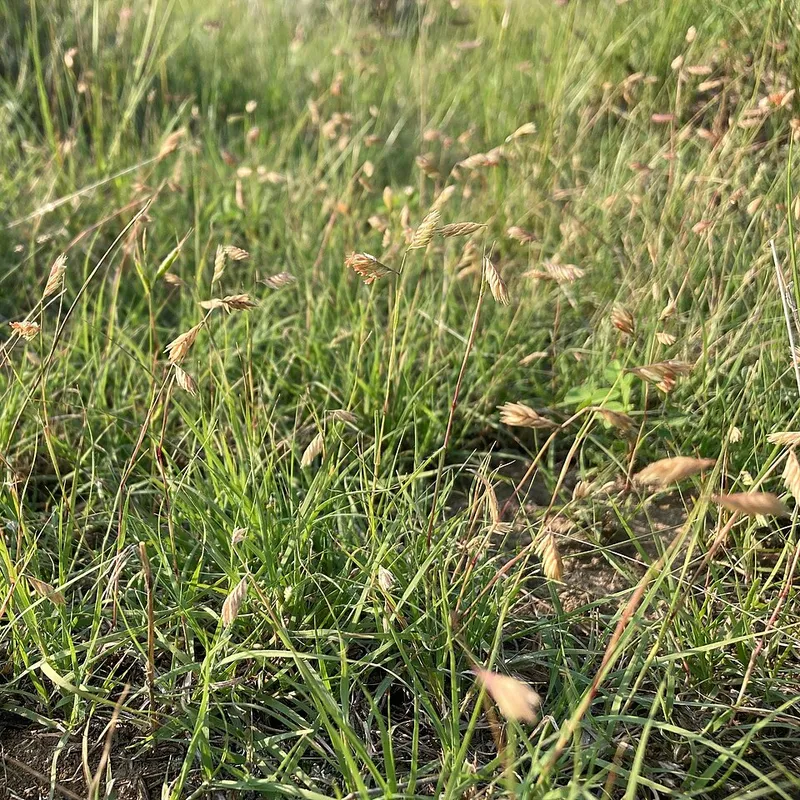
Kentucky bluegrass (Poa pratensis) plays a specific and important supporting role in Middle Tennessee fescue lawns, but it is not a standalone lawn grass here. It is too heat-sensitive to survive our summers on its own. Its value is as a ten-percent-by-weight blending partner with turf-type tall fescue.
The sod industry figured this out decades ago. What is sold as "fescue sod" is actually thirty to forty percent Kentucky bluegrass and sixty to seventy percent tall fescue. The bluegrass is there because it spreads laterally via rhizomes, and that lateral spreading is what physically holds a sod roll together when it is cut and rolled up for transport. A pure fescue sod roll would fall apart, fescue is a bunch-type grass with no lateral spread.
We deliberately add ten percent Kentucky bluegrass by weight to our overseeding blends for the same structural reasons, plus three practical benefits. First, a self-repairing lawn, small divots from zero-turn mowers, fallen branches leaving six-to-seven-inch gaps, minor wear spots all fill in over one to two months as the bluegrass spreads laterally. Second, a disease firebreak, brown patch spreads by plant-to-plant contact, and Kentucky bluegrass is far less susceptible than fescue. Some cultivars are near-immune to brown patch. The bluegrass plants interrupt the contact chain and slow the spread. Third, biodiversity, introducing a second species that handles different stresses creates a more resilient turf system overall.
Our Kentucky bluegrass cultivar selection criteria focus on moderate aggression (we do not want it taking over the fescue), drought tolerance, and high brown patch disease tolerance on NTEP trial data. The ten-percent-by-weight proportion translates to roughly thirty to thirty-five percent by plant count because bluegrass seed is much smaller than fescue seed, more seeds per pound means more plants per square foot at the same weight ratio.
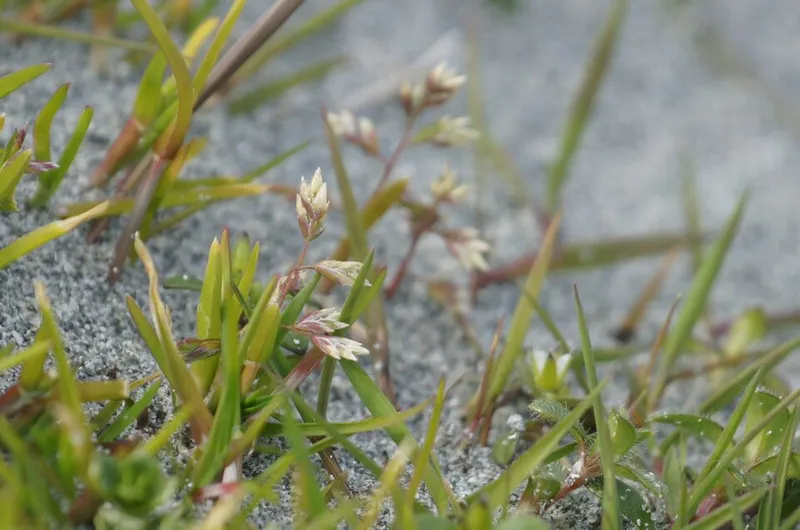
Do not confuse Kentucky bluegrass (Poa pratensis) with annual bluegrass (Poa annua), which is a weed. They share a genus name but are completely different plants with different lifecycles and different roles in a lawn.
Quick Facts
- Common Name
- Kentucky Bluegrass
- Scientific Name
- Poa pratensis
- Plant Type
- Turfgrass
- Region
- Middle Tennessee