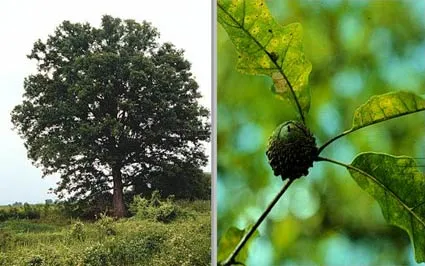
About Overcup Oak
Overcup Oak (Quercus lyrata)
Swamp White Oak, Water White Oak
Full to part sun, wet to medium moisture, tolerates prolonged flooding and heavy clay soils, pH 5.0-7.0.
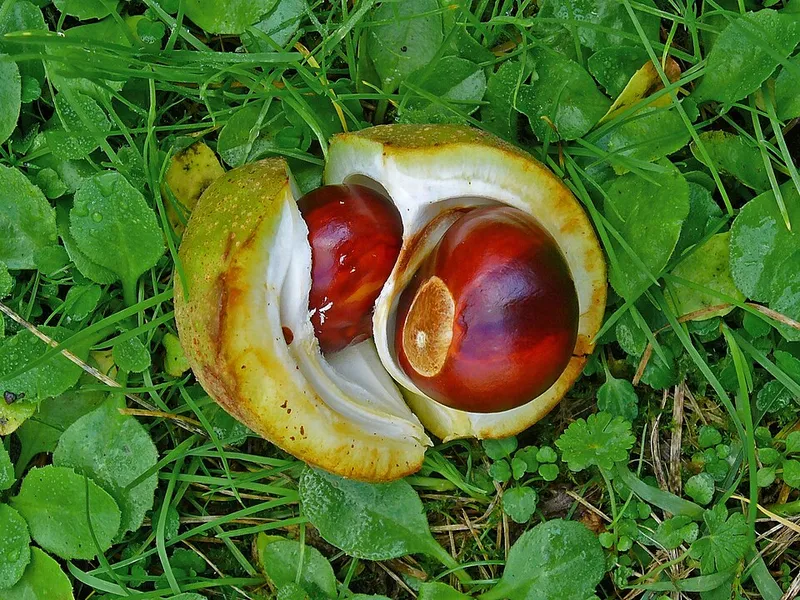
40-60 feet tall by 30-45 feet wide; blooms in spring with male catkins and inconspicuous female spikes as leaves emerge; round to oblong acorns 1.3-2.5 cm long enclosed almost entirely (90-100%) by a rough, scaly cup, the diagnostic 'overcup' character; acorns ripen in a single season in fall. Growth rate slow to medium.
Native region: Scattered in Middle and West Tennessee, native to floodplain forests and wet bottomlands along the Cumberland and Tennessee River systems.
The near-total enclosure of the acorn by its cup is unique among Tennessee white oaks and provides the clearest field identification, no other native oak's acorn is so deeply enclosed. Quercus lyrata is one of the most flood-tolerant large oaks in the eastern United States, capable of surviving extended inundation periods that would kill pin oak or willow oak. It occupies ecological niches in Middle Tennessee's Cumberland River bottomlands that few other canopy trees can fill. Acorn production is reliable but the buoyant, cup-enclosed acorns are dispersed by floodwater rather than gravity, which means natural regeneration is closely tied to flood-pulse hydrology. UT Extension oak disease publications apply: oak wilt, leaf blister, and canker are the primary threats; established specimens on appropriate wet sites are generally vigorous and low-maintenance.
Quick Facts
- Common Name
- Overcup Oak
- Scientific Name
- Quercus lyrata
- Plant Type
- Tree
- Region
- Middle Tennessee