About Ohio Buckeye
Ohio Buckeye (Aesculus glabra)
Fetid Buckeye
Full to part sun, medium moisture, tolerates clay loams and rocky soils, pH 5.5-7.0.
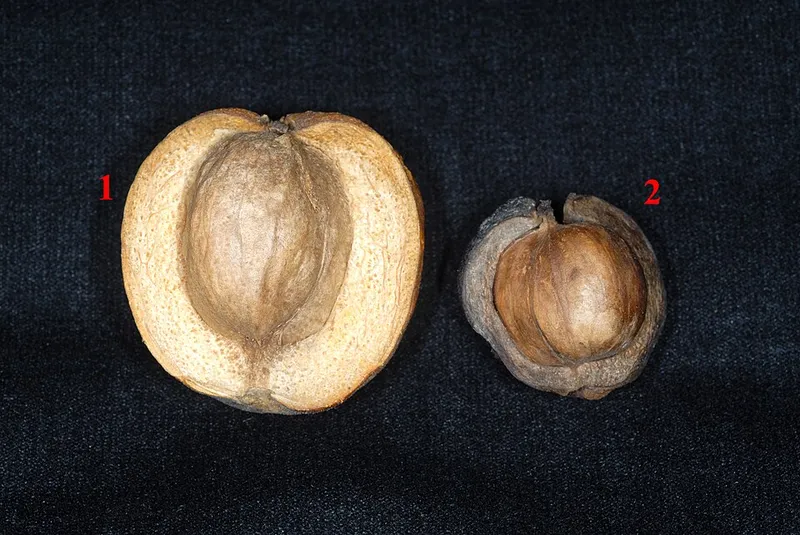
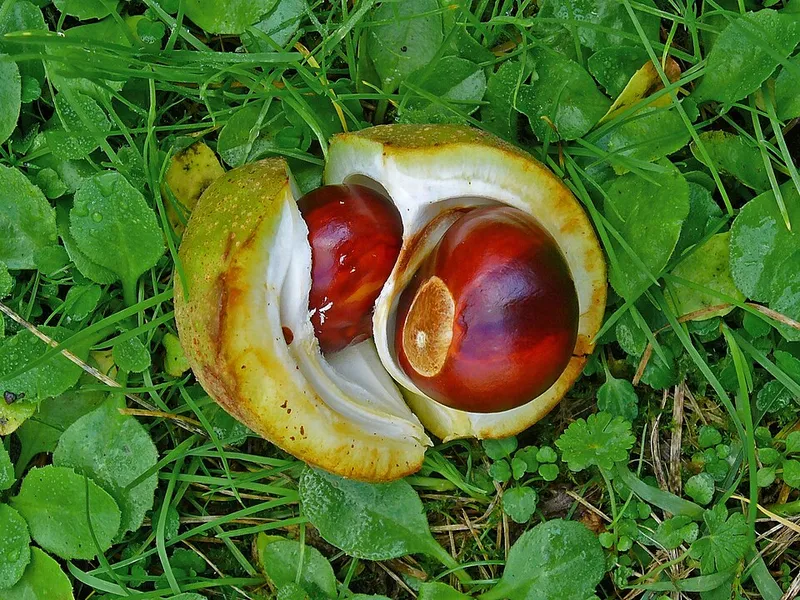
20-40 feet tall by 20-40 feet wide; blooms April-May with 12.7-17.8 cm upright panicles of yellow-green flowers with protruding stamens; fruit is a warty (spiny-surfaced) tan-brown husk containing 1-3 glossy brown seeds, ripening September-October.
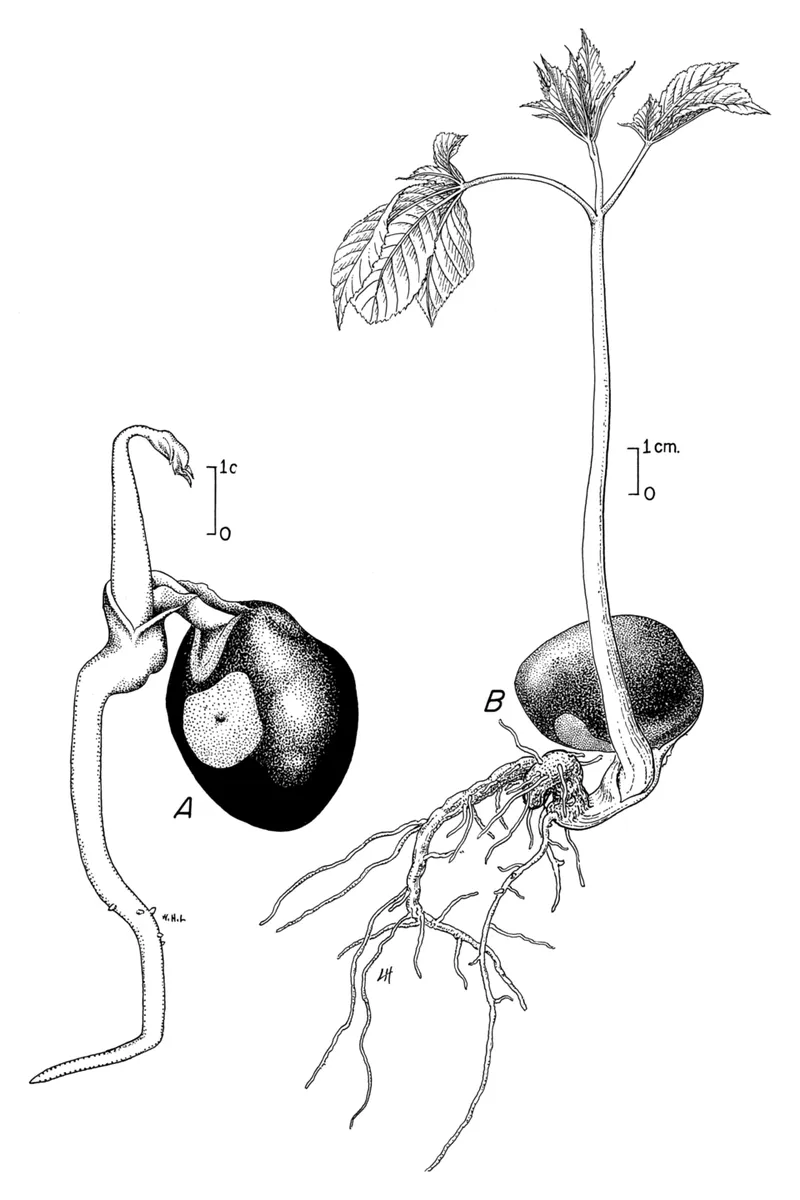
Germination Code C (cold stratification, 90-120 days); sow fresh-collected seed in fall; seeds desiccate rapidly in storage.
Native region: Middle and East Tennessee, concentrated along stream terraces and moist lower slopes of the Cumberland Plateau and Highland Rim.
Smaller and more shade-tolerant than Aesculus flava, Ohio Buckeye fits mid-sized residential properties across the Columbia area but demands consistently moist, well-drained soil, prolonged standing water promotes root rot documented in UT Extension shade tree disease surveys. The common name 'fetid buckeye' references the unpleasant odor of crushed foliage and twigs; all plant parts contain aesculin and are toxic to humans and livestock. Early leaf drop in late summer is characteristic under heat stress, not a sign of disease. Warty husk texture reliably separates this species from Yellow Buckeye's smooth fruit. Catkins and pollen attract native bees in early spring before most competing food sources open.
Quick Facts
- Common Name
- Ohio Buckeye
- Scientific Name
- Aesculus glabra
- Plant Type
- Tree
- Region
- Middle Tennessee