About Yellow Buckeye
Yellow Buckeye (Aesculus flava)
Full to part sun, moderately moist to well-drained, tolerates clay loams, pH 5.5-7.0.
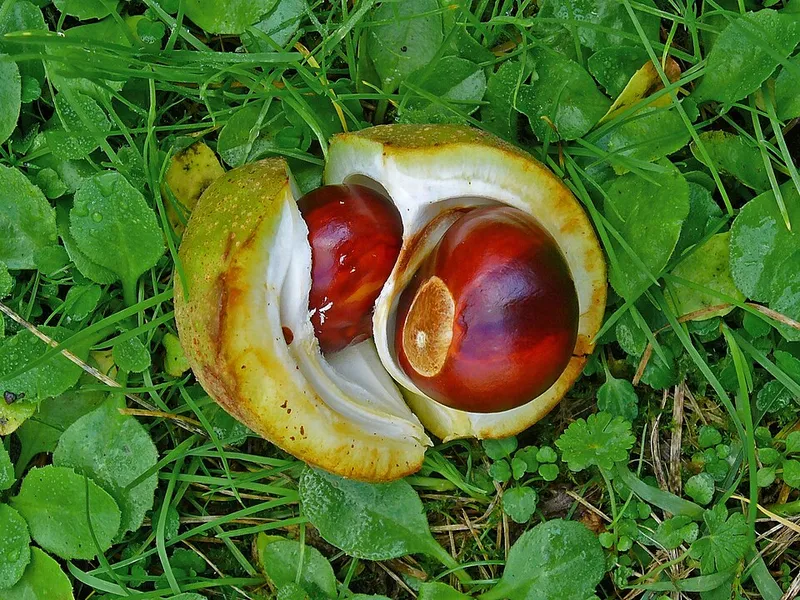
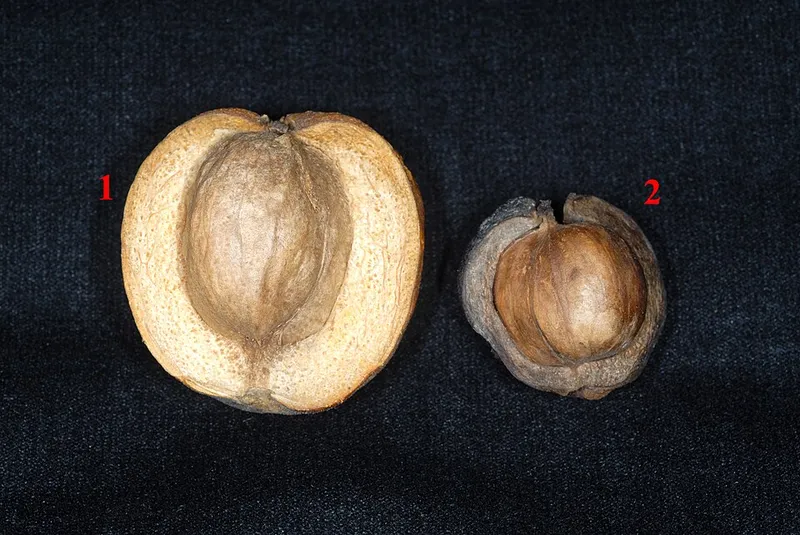
60-90 feet tall by 30-50 feet wide; blooms April-May with 10.2-17.8 cm upright panicles of pale yellow to cream flowers; fruit is a smooth (not spiny) tan-brown husk containing 1-3 glossy brown seeds that ripen in September.
Germination Code C (cold stratification, 90-120 days); seeds lose viability quickly and should be planted fresh in fall or stratified immediately.
Native region: Middle and East Tennessee, most common in the Cumberland Plateau and Eastern Highland Rim; scattered in the Ridge and Valley.
One of the largest native understory-to-canopy trees in Tennessee, Aesculus flava leafs out early and drops leaves by August in heat stress years, a normal pattern, not a disease. In Middle Tennessee's Zone 6b/7a clay soils the taproot establishes slowly; mulching the root zone per UT Extension guidelines reduces moisture competition and improves establishment. Like all shade trees in the region, it is susceptible to anthracnose and canker diseases catalogued by UT Extension, but healthy specimens on well-drained sites rarely develop serious crown dieback. All parts of the plant, seeds, foliage, bark, contain aesculin and are toxic to humans and livestock. Fruit is distinguished from Ohio Buckeye by the smooth (not warty) husk; flowers are yellow rather than yellow-green. High wildlife value: ruby-throated hummingbirds are primary pollinators of the tubular flowers.
Quick Facts
- Common Name
- Yellow Buckeye
- Scientific Name
- Aesculus flava
- Plant Type
- Tree
- Region
- Middle Tennessee