About Black Maple
Black Maple (Acer nigrum)
Black Sugar Maple
Full to part sun, moderately wet to medium moisture level; coarse loamy sands to medium loams and silt loams; slightly acid to neutral pH.
60-75 feet height by 40-60 feet spread; inconspicuous pale yellow-green flowers in spring; seeds are two-winged, tan-brown samaras in long, loose clusters in late summer. Growth rate fast when young, slowing to medium with age.
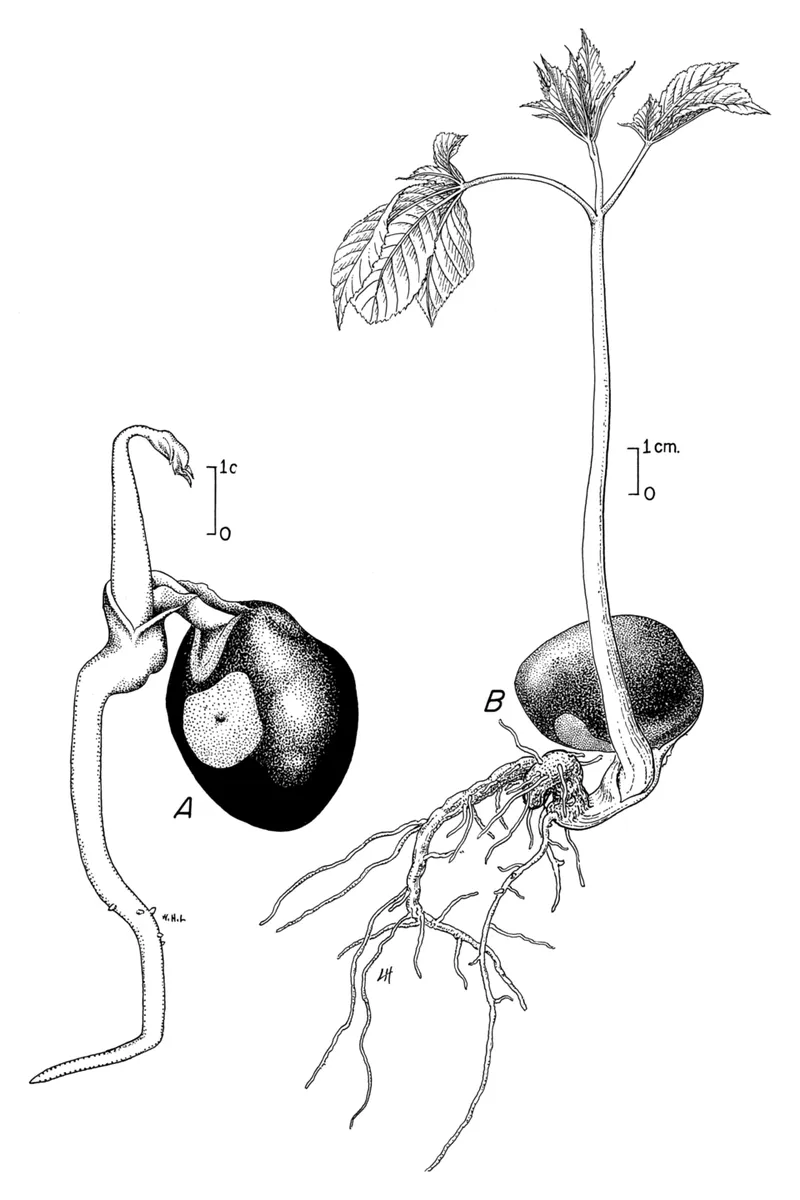
Germination Code C (cold stratification, 60-90 days). Easy from seed.
Native region: Lightly statewide with greatest concentration in Middle Tennessee, typically along stream corridors, ravines, and valley slopes in rich mesic woods.
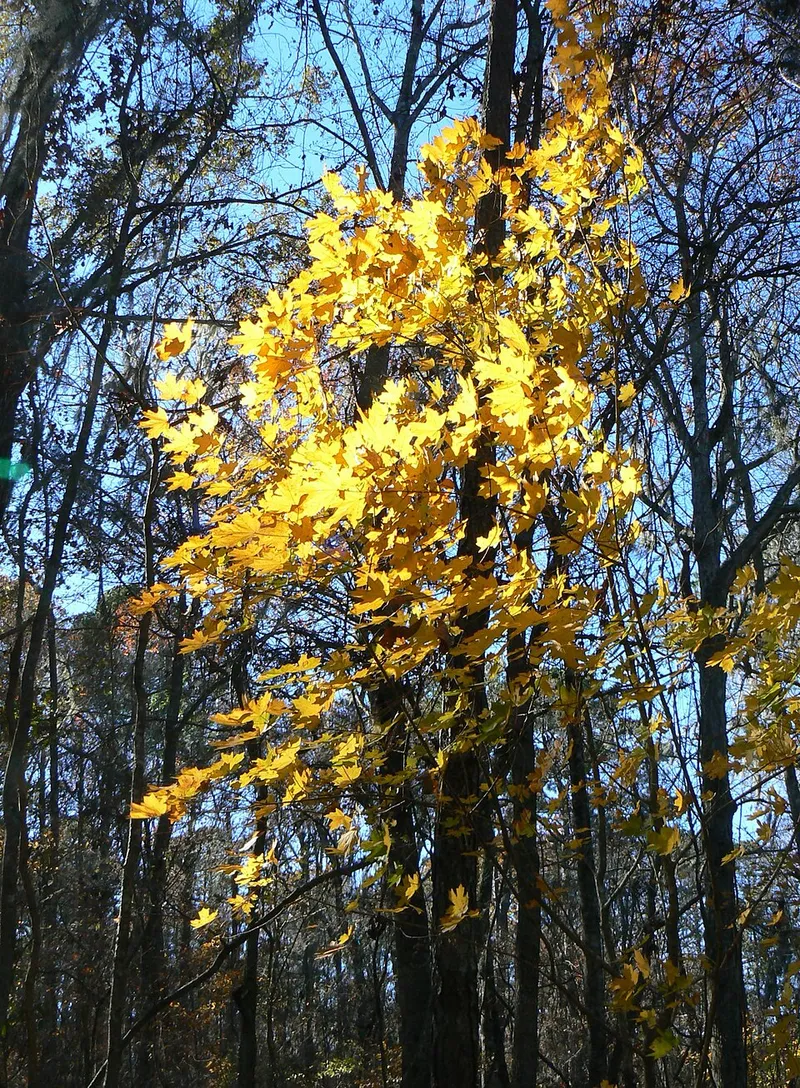
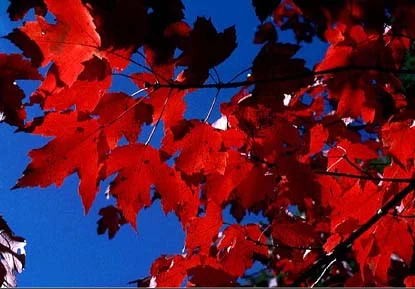
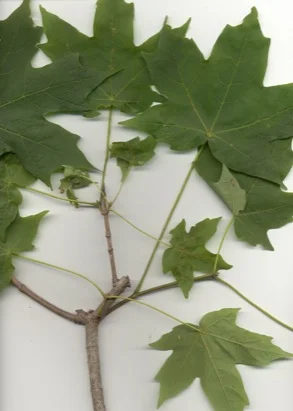
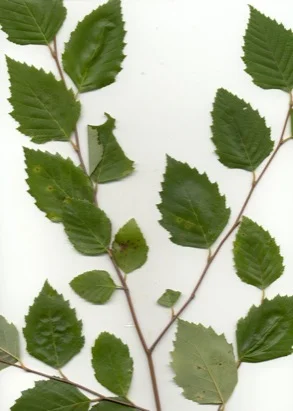
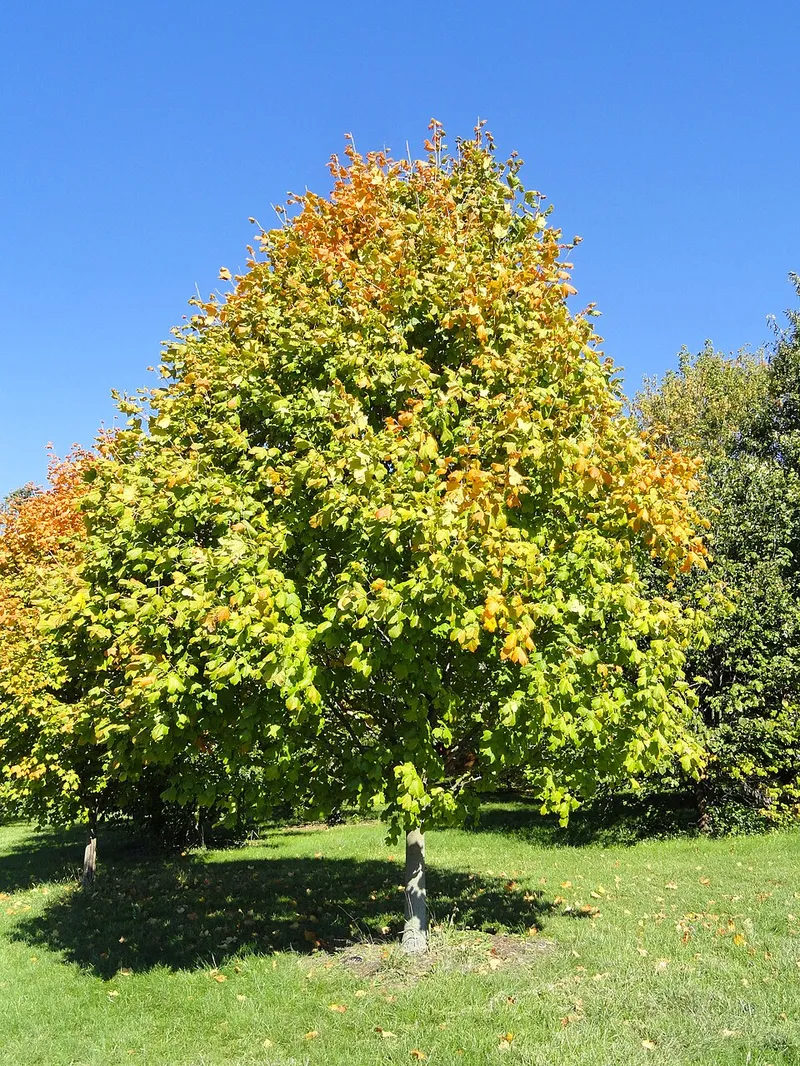
Acer nigrum is the moisture-preferring member of the sugar maple complex, it gravitates toward stream-adjacent bottomlands and ravine slopes where soils stay reliably moist through summer, a habit that distinguishes its site selection from the upland-tolerant Acer saccharum. The leaves are characteristically 3-lobed with drooping lateral lobes and a velvety underside pubescence; bark darkens to nearly black on mature trunks, which gives the species its name and is one of the cleaner field ID marks. Fall color delivers golden yellow to orange and red, less reliably scarlet than Acer saccharum but reliably warm. Long-lived at 150-200 years. Sap quality for syrup is equal to Sugar Maple. No serious insect or disease problems under normal conditions, though the UT Extension shade tree disease publication notes anthracnose and canker potential in stressed specimens. Very high wildlife value; attracts birds and mammals.
Quick Facts
- Common Name
- Black Maple
- Scientific Name
- Acer nigrum
- Plant Type
- Tree
- Region
- Middle Tennessee