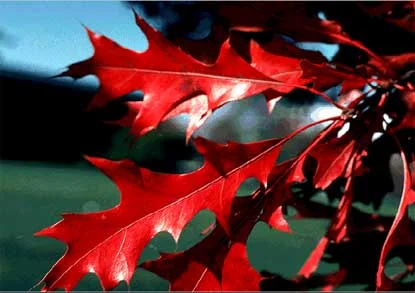
About Pin Oak
Pin Oak (Quercus palustris)
Swamp Oak
Full sun, moderately wet to medium moisture, grows in silty clay loam and heavy clay but demands acidic pH 4.5-6.5; highly susceptible to iron chlorosis at pH above 6.8.
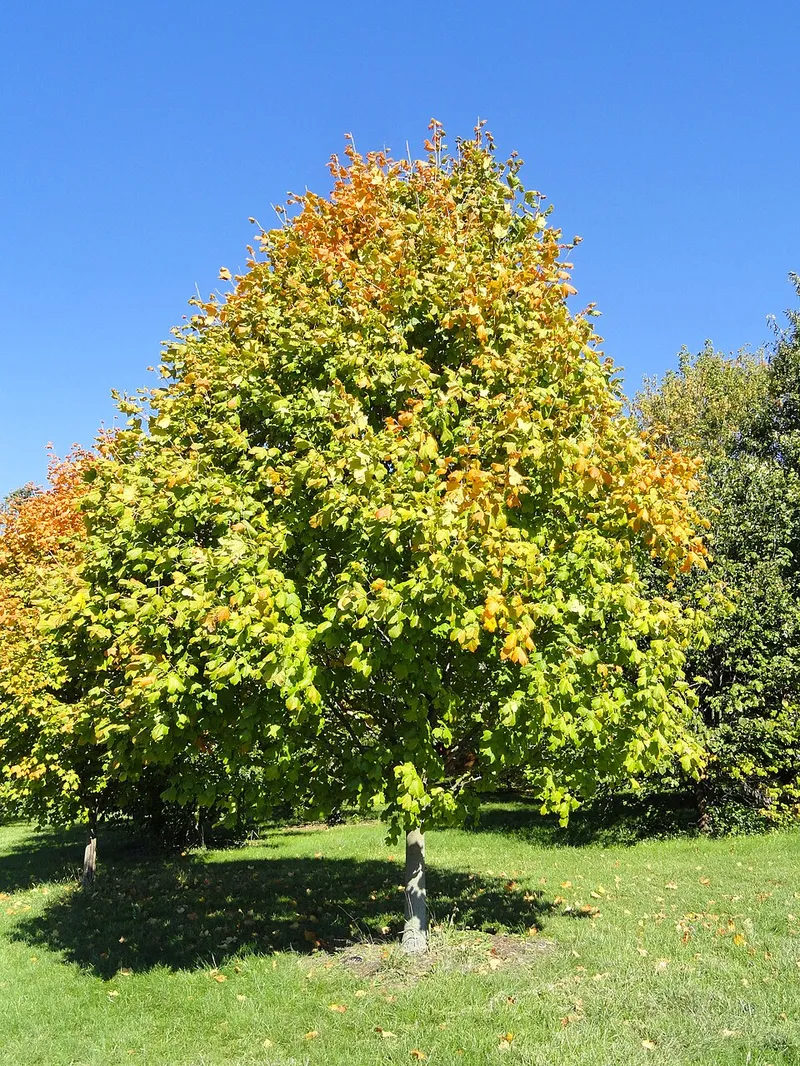
60-70 feet tall by 25-40 feet wide; pyramidal crown with persistent lower dead branches; blooms spring with drooping yellow-green catkins; reddish-brown acorns 12 mm, requiring 16-18 months to mature. Growth rate medium to fast, one of the faster-growing native oaks. Spreads by acorn.
Germination Code C (cold stratification, 30-45 days); transplants well due to shallow, fibrous root system.
Native region: Scattered counties statewide in Tennessee, excluding the Blue Ridge Province; most common in bottomlands and floodplain margins.
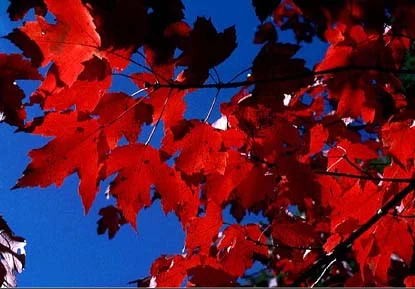
Pin oak is one of the most widely planted street and shade oaks in eastern North America, valued for its fast growth rate and reliable scarlet fall color. The critical limitation in Middle Tennessee is soil pH: Columbia-area soils with limestone influence or elevated pH will cause interveinal chlorosis, leaves yellow while veins remain green, within a few seasons. Soil acidification or chelated iron supplementation can manage chlorosis but does not correct the underlying problem. The naturally persistent lower dead branches require periodic removal for clearance in street tree applications. Acorns produced in large quantities beginning at 20 years of age provide significant mast for white-tailed deer, wild turkeys, and wood ducks in riparian areas.
Quick Facts
- Common Name
- Pin Oak
- Scientific Name
- Quercus palustris
- Plant Type
- Tree
- Region
- Middle Tennessee