About Swamp White Oak
Swamp White Oak (Quercus bicolor)
Full sun, wet to medium moisture, tolerates fine sandy loams to silty clay and hardpan clay, requires acidic pH of 4.5-6.5, develops iron chlorosis (leaf yellowing with green veins remaining) on neutral-to-alkaline soils.
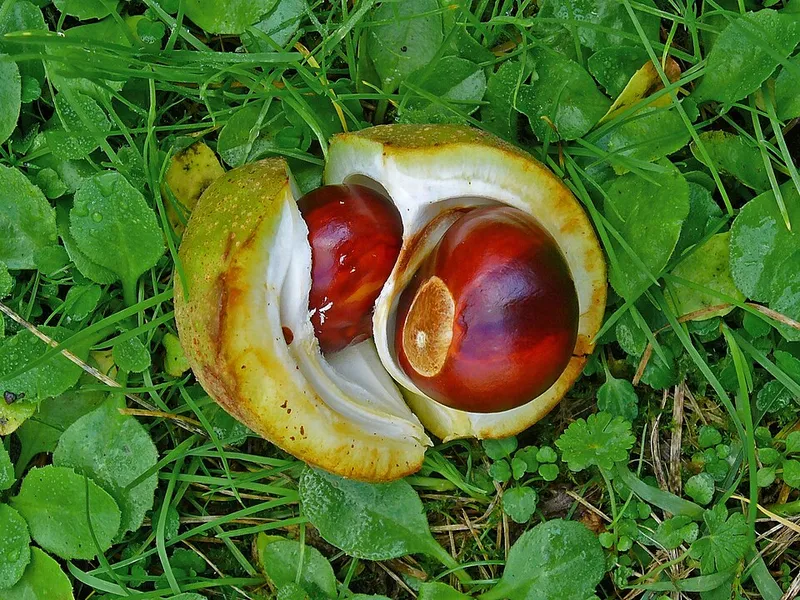
60-80 feet tall by 30-40 feet wide; blooms in May with pendulous male catkins 5-8 cm long and inconspicuous female spikes; tan-brown acorns 19-38 mm long, typically on stalks 5-10 cm, ripening in a single season in fall. Growth rate medium to fast, one of the faster-establishing oaks.
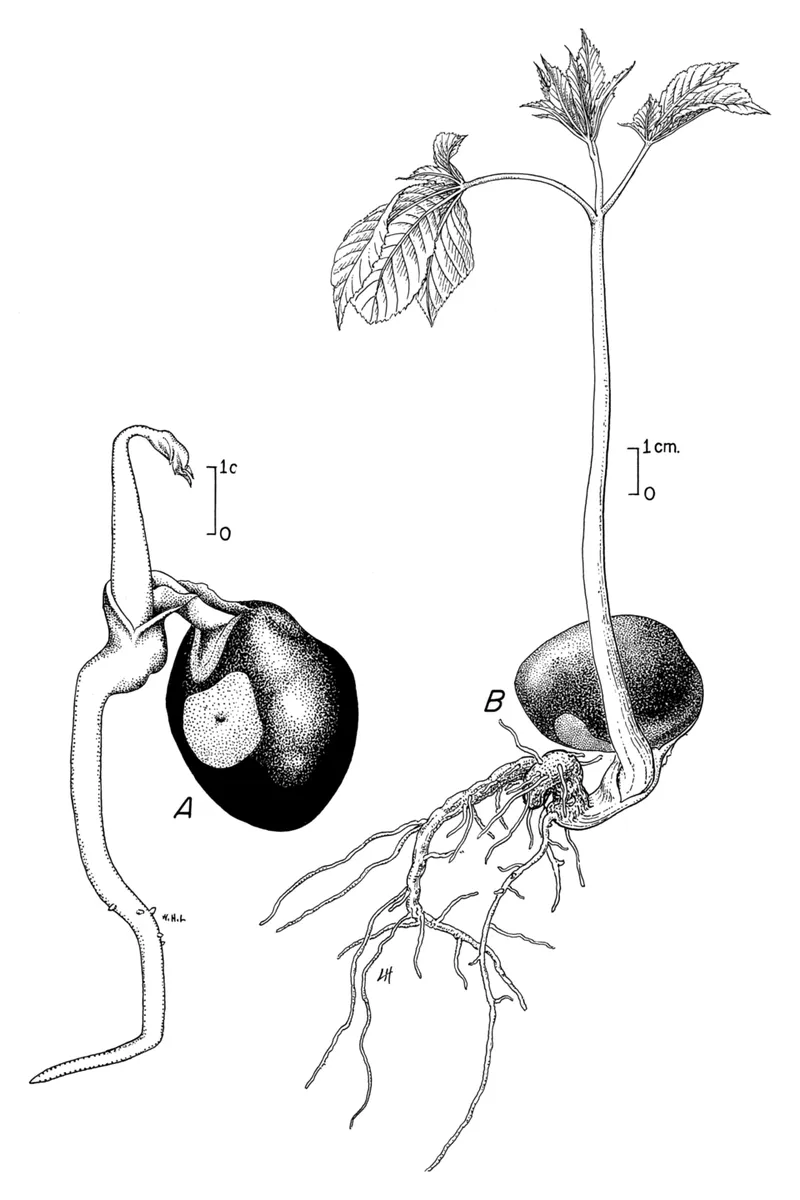
Germination Code A; seeds may germinate the same season they fall; fibrous root system (unlike most oaks) makes container transplanting more successful.
Native region: Primarily Middle and East Tennessee, native to river bottoms, stream banks, and swamp margins; limited presence in West Tennessee.
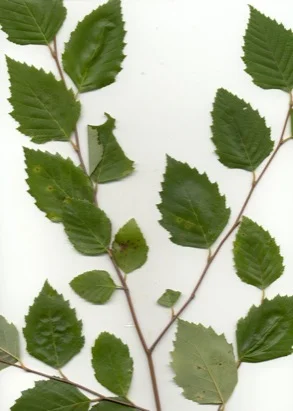
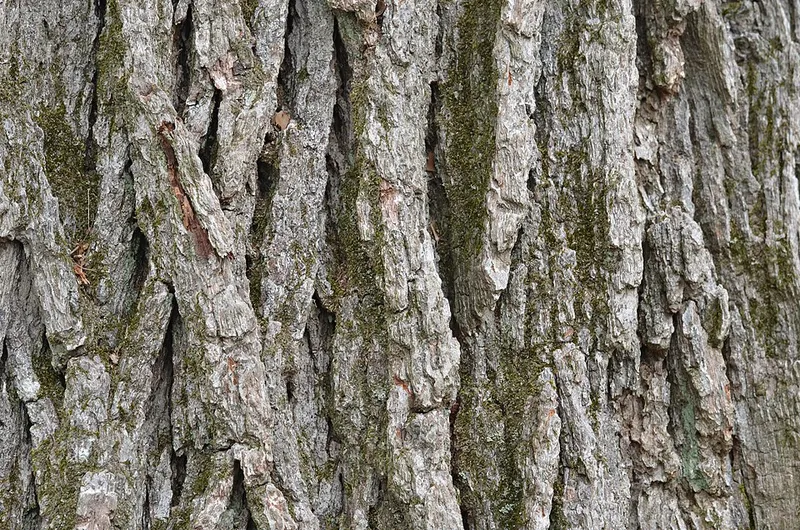
Quercus bicolor is distinguished among white oaks by its bicolored leaf, dark glossy green above, pale silvery-white beneath, and by the peeling, two-toned upper bark that sheds in papery curls from the upper branches. The fibrous (non-taproot) root architecture makes it one of the most transplant-tolerant oaks, a practical advantage for installation in Middle Tennessee landscapes. Iron chlorosis is the primary management concern on the shallow Lebanon limestone soils around Columbia: soil acidification prior to planting is essential on sites with pH above 6.5. UT Extension shade tree disease publications cover the full oak disease spectrum applicable to this species, including oak wilt and leaf blister; bacterial leaf scorch (Xylella fastidiosa) affects shade oaks across Tennessee and warrants monitoring.
Quick Facts
- Common Name
- Swamp White Oak
- Scientific Name
- Quercus bicolor
- Plant Type
- Tree
- Region
- Middle Tennessee