About Sugar Maple
Sugar Maple (Acer saccharum)
Rock Maple, Hard Maple
Full sun to light shade, medium moisture; well-drained loam to sandy loam preferred, tolerates some clay; moderately acid to circumneutral pH.
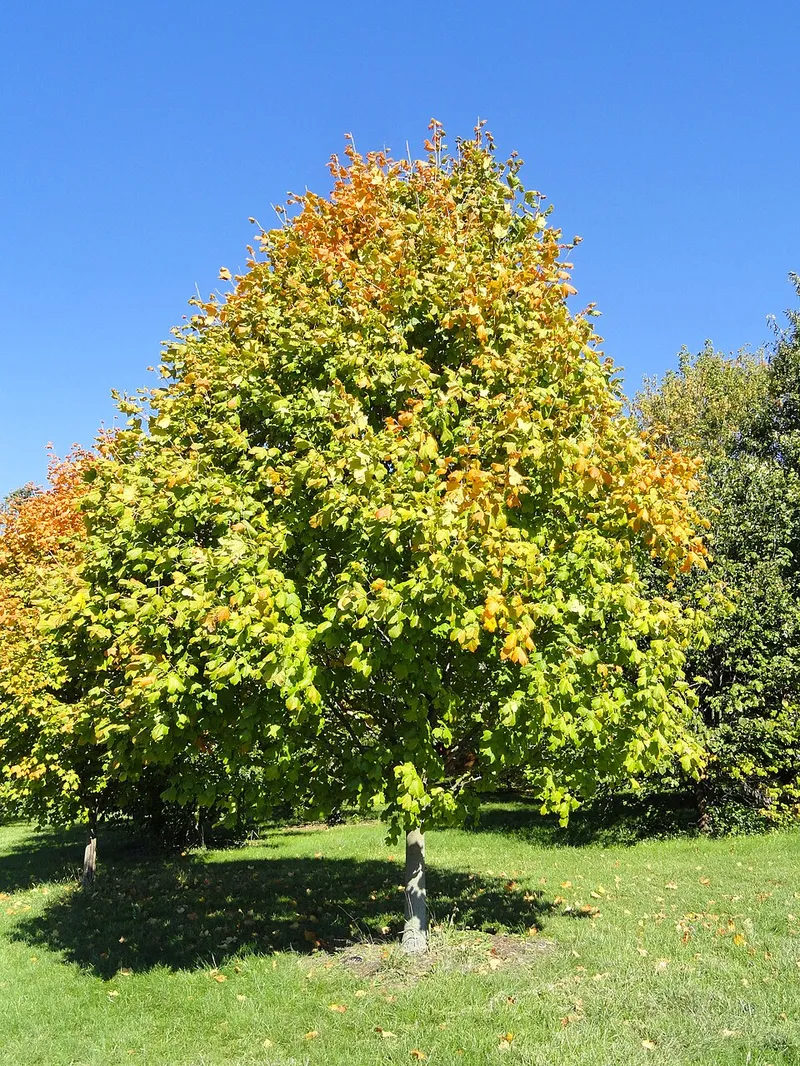
60-75 feet height by 40-60 feet spread; inconspicuous yellow-green flowers in early spring; seeds are paired samaras maturing in late summer.
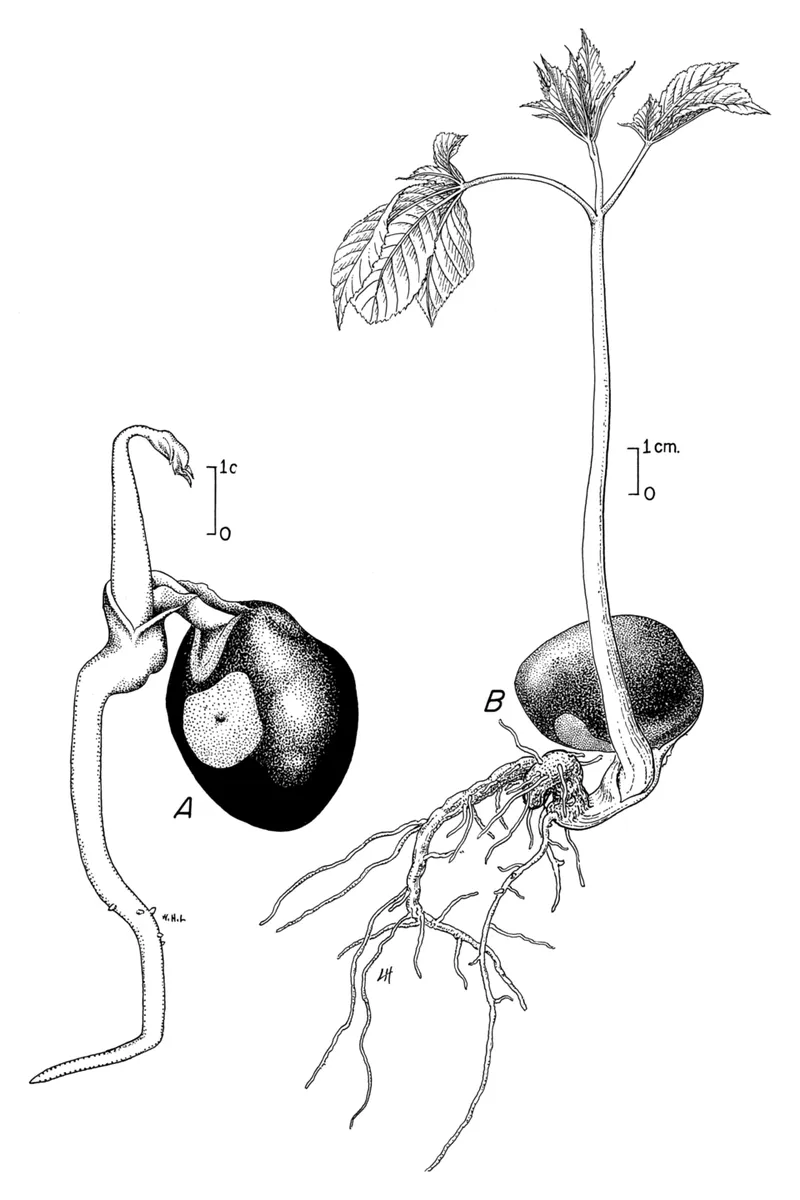
Germination Code C (cold stratification, 60-90 days). Easy from seed.
Native region: Lightly statewide in Tennessee with greatest concentration in Middle and East Tennessee, absent from the western plain; occurs on north-facing slopes, coves, and rich upland woods.
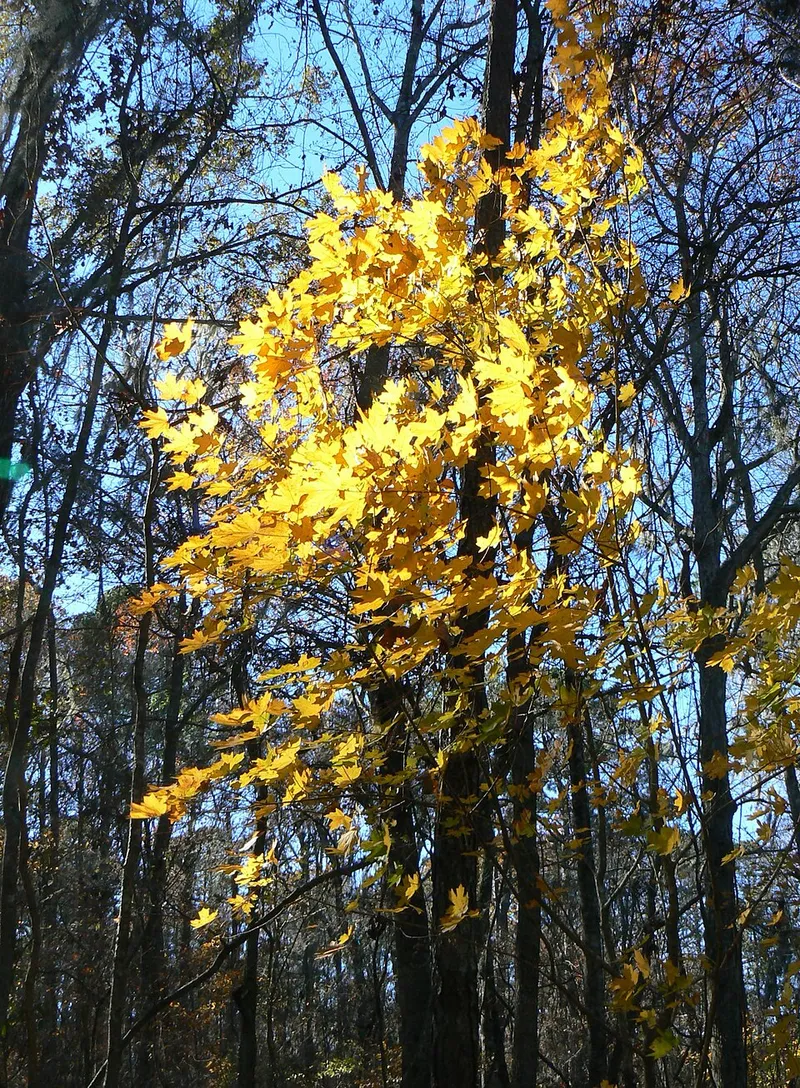
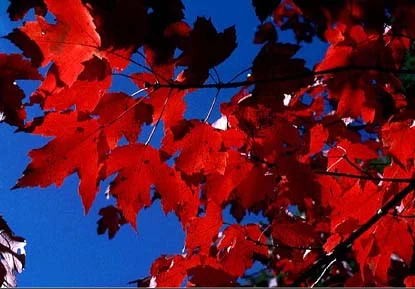
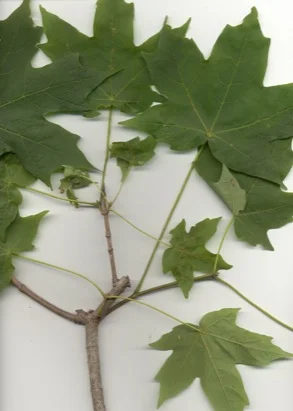
Acer saccharum is the defining species of the sugar maple complex, the source of commercial maple syrup and the timber prized as hard maple flooring. Its 5-lobed leaves with deep U-shaped sinuses and hairless lower surfaces distinguish it from Acer nigrum (3 drooping lobes, pubescent underside) and from the smaller Acer barbatum (shallower sinuses, rounded lobes). Fall color in Middle Tennessee is the most variable and potentially most vivid of the three, yellow through orange to scarlet depending on temperature differential and individual genetics, though the best color requires cool nights that Columbia's clay-plain sites don't always deliver. Middle Tennessee sits at the southern edge of this species' range; summer heat above 95°F on poorly sited trees can trigger canopy dieback and leaf scorch resembling bacterial leaf scorch (Xylella fastidiosa), which UT Extension identifies as a genuine threat in Tennessee shade trees. Site on north- or east-facing slopes with adequate soil moisture and mulch to the dripline to buffer soil temperature.
Quick Facts
- Common Name
- Sugar Maple
- Scientific Name
- Acer saccharum
- Plant Type
- Tree
- Region
- Middle Tennessee