About Nuttall Oak
Nuttall Oak (Quercus nuttallii)
Full sun, wet to medium moisture, tolerates prolonged flooding and heavy clay soils, pH 5.0-7.0.
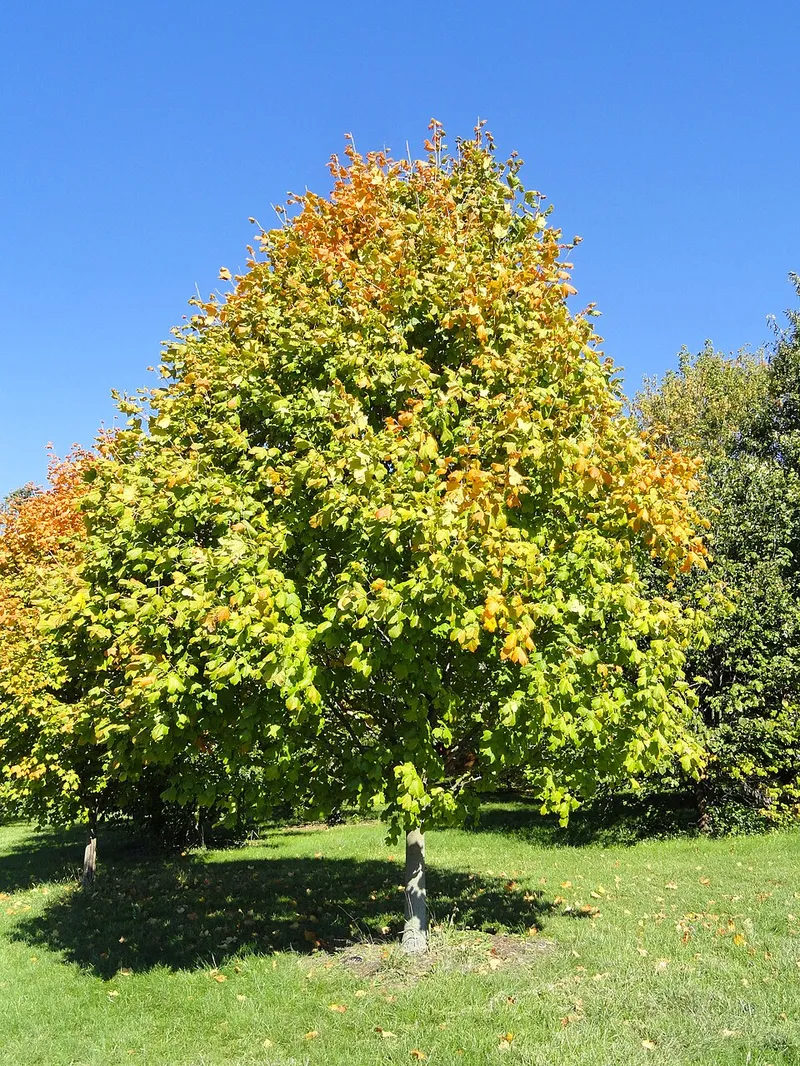
40-60 feet tall by 30-45 feet wide; blooms in spring with pendulous male catkins and inconspicuous female spikes; acorns 1.3-2.5 cm long, round to oblong, with a thick cup covering one-third to one-half the nut, requiring two growing seasons to mature. Growth rate fast, among the fastest oaks in the red oak group.
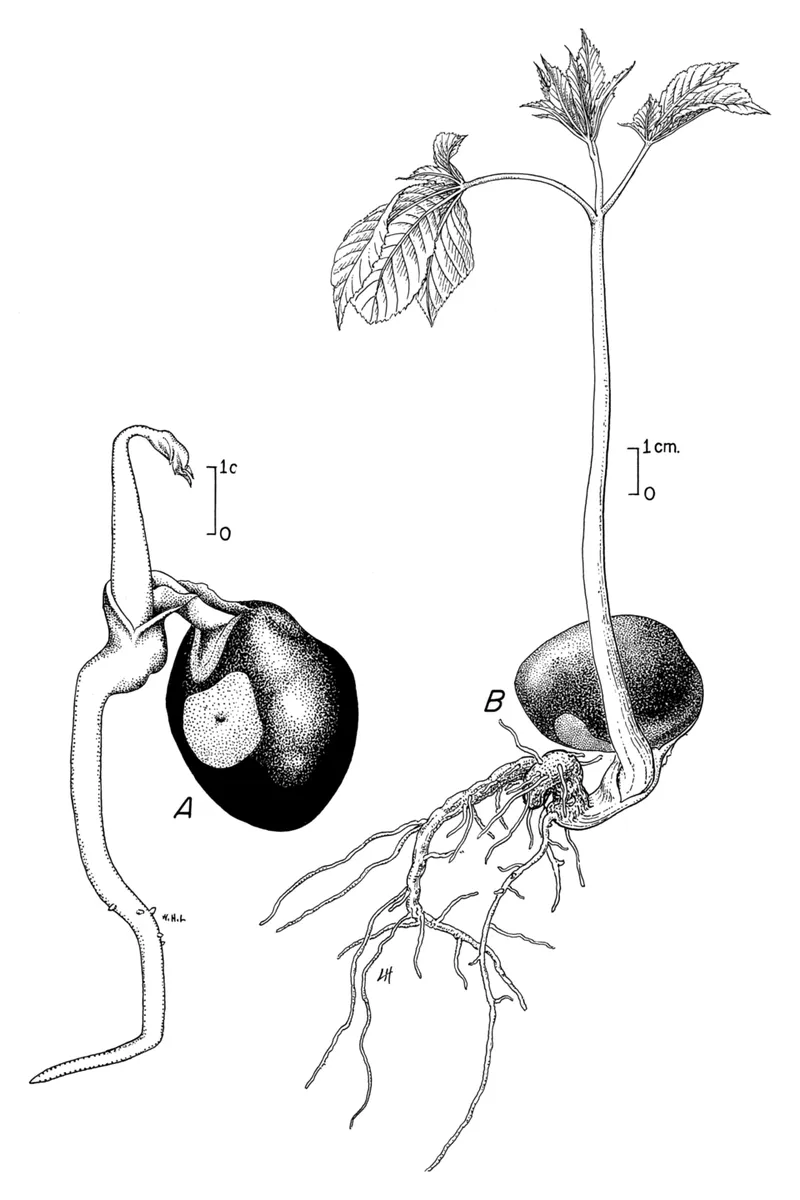
Germination Code C (cold stratification, 30-45 days); acorns should be sown fresh or stored moist.
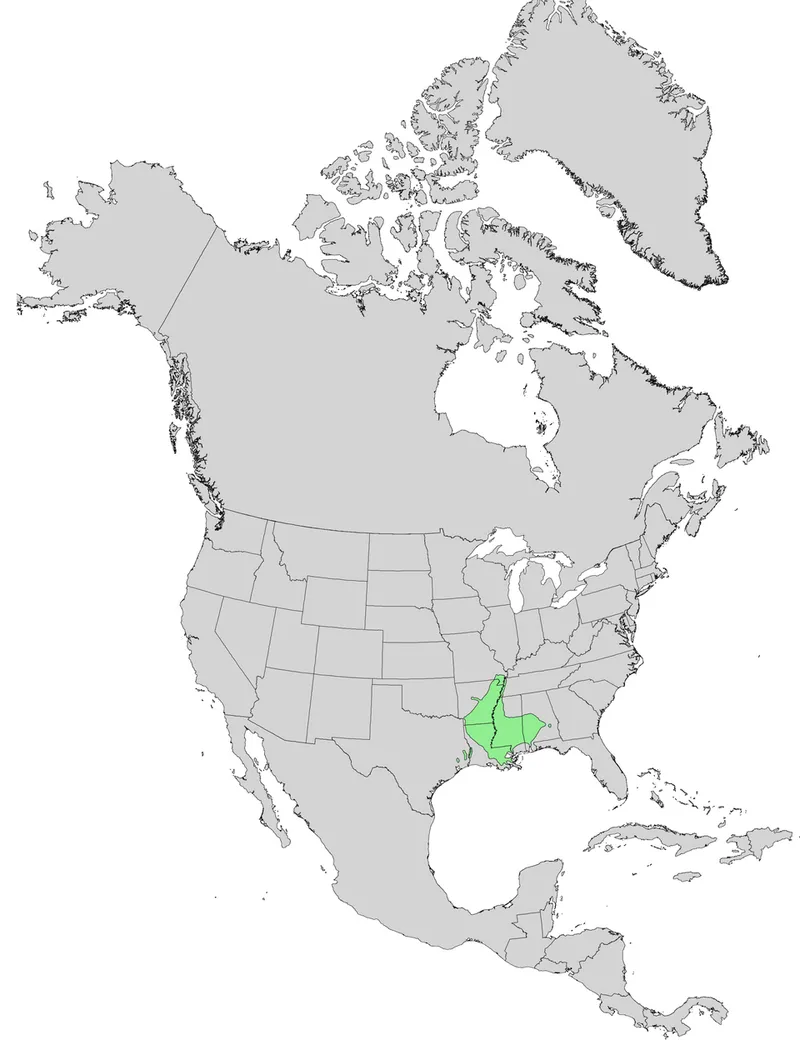
Native region: West Tennessee, concentrated in the Coastal Plain lowlands and Mississippi alluvial floodplains; at the eastern edge of its range in Middle Tennessee's Cumberland River bottomlands.
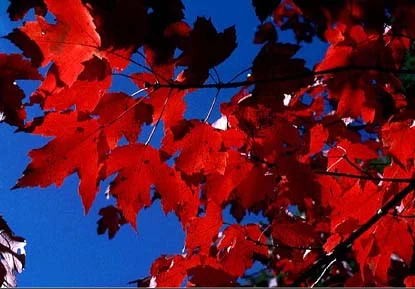
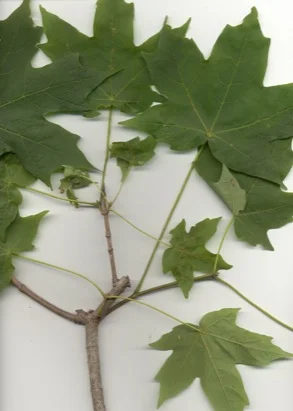
Nuttall Oak is the red-oak-group analogue to Overcup Oak in flood-tolerance: it withstands extended inundation on river bottomlands where pin oak and willow oak are marginal. It is increasingly planted as a street and parking lot tree in the mid-South because its fast growth, heavy acorn crops, and tolerance of compacted wet clay make it practical in urban situations difficult for other large oaks. Leaf shape is deeply and variably lobed, resembling pin oak but with a more irregular sinuses pattern and a larger, more elongated acorn. UT Extension shade tree publications describe the oak disease and insect complex, wilt, leaf blister, scale, borers, that applies to all Tennessee red-group oaks; bacterial leaf scorch (Xylella fastidiosa) is an additional risk in landscape specimens and should be ruled out when progressive dieback occurs.
Quick Facts
- Common Name
- Nuttall Oak
- Scientific Name
- Quercus nuttallii
- Plant Type
- Tree
- Region
- Middle Tennessee