About Chinkapin Oak
Chinkapin Oak (Quercus muehlenbergii)
Full sun, medium to dry moisture, grows in rocky limestone soils, clay, sandy loam, and shallow soils over bedrock; pH 5.5-8.0, one of the most alkaline-tolerant native oaks.
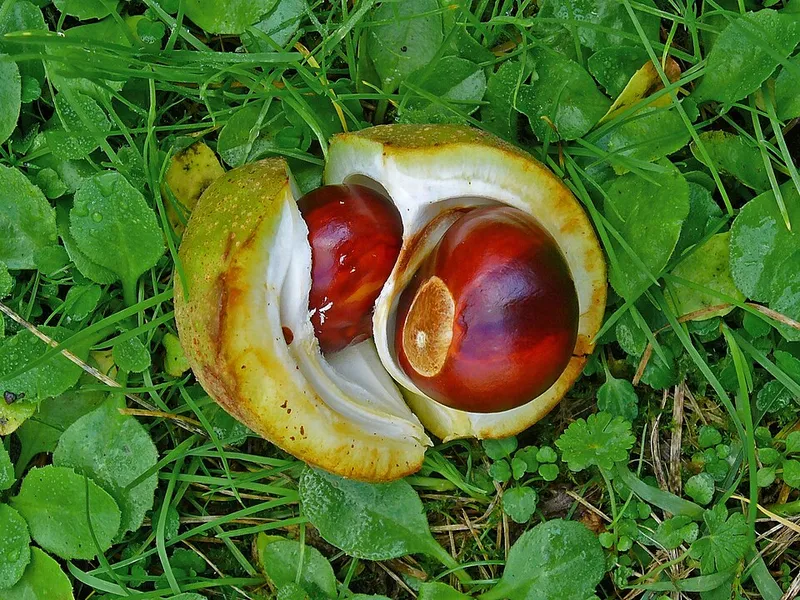
40-60 feet tall by 40-60 feet wide; blooms in spring with yellowish-green catkins and inconspicuous female spikes; oval-oblong acorns 1.3-1.9 cm long with a thin cup covering about half the nut, ripening in a single season. Growth rate slow to medium.
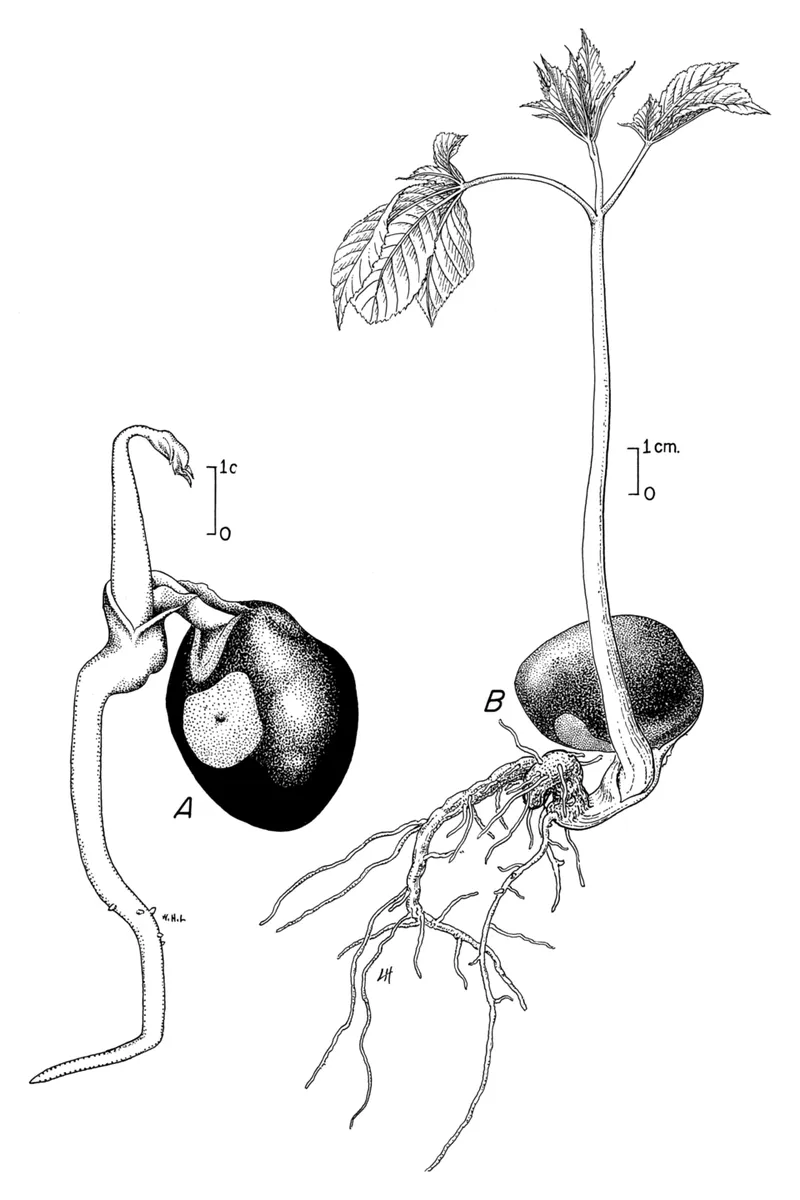
Germination Code A; acorns are non-dormant and germinate rapidly when fresh; deep taproot makes transplanting difficult beyond small seedling stage.
Native region: Middle and East Tennessee, most common on rocky limestone bluffs, cliff faces, and dry upland slopes, a characteristic species of the Central Basin cedar glades and limestone outcrops of Maury County.
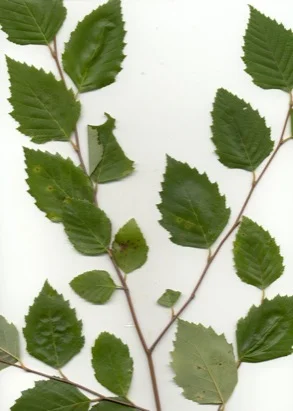
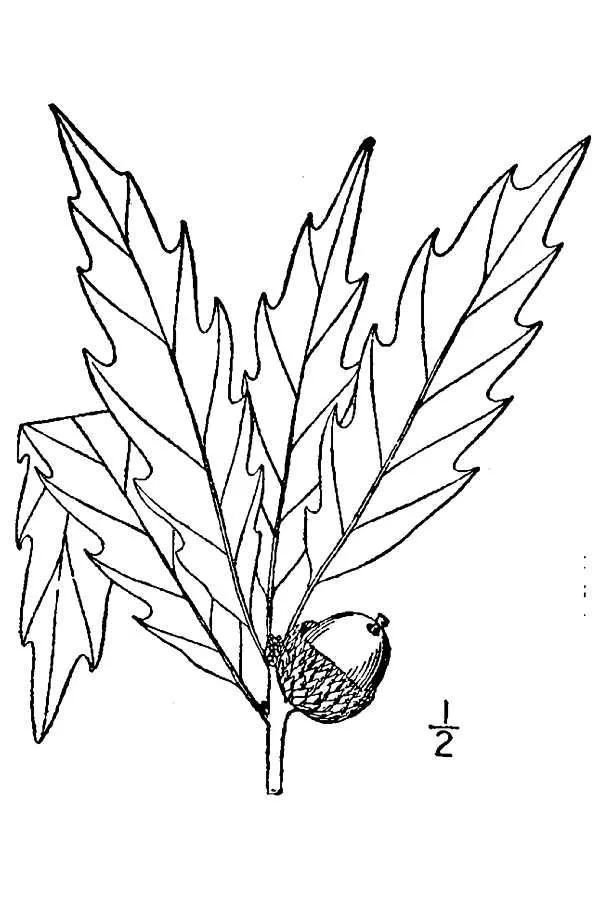
Quercus muehlenbergii is the white oak specifically adapted to Middle Tennessee's shallow, high-pH soils over Lebanon limestone, the same soils that cause iron chlorosis in pin oak, scarlet oak, and swamp white oak. Leaf margins with coarse, rounded (mucronate) teeth resemble American chestnut or chinkapin leaves rather than classic lobed oak form, providing a clear visual distinction from all other local oaks. It is the dominant oak on the dry limestone glades and cedar barrens characteristic of the inner Central Basin around Columbia and Spring Hill. UT Extension oak disease publications describe the applicable disease threats: oak wilt (white oaks are more resistant than red oaks), leaf blister, and cankers; specimens on correct alkaline sites are generally low-maintenance once established.
Quick Facts
- Common Name
- Chinkapin Oak
- Scientific Name
- Quercus muehlenbergii
- Plant Type
- Tree
- Region
- Middle Tennessee