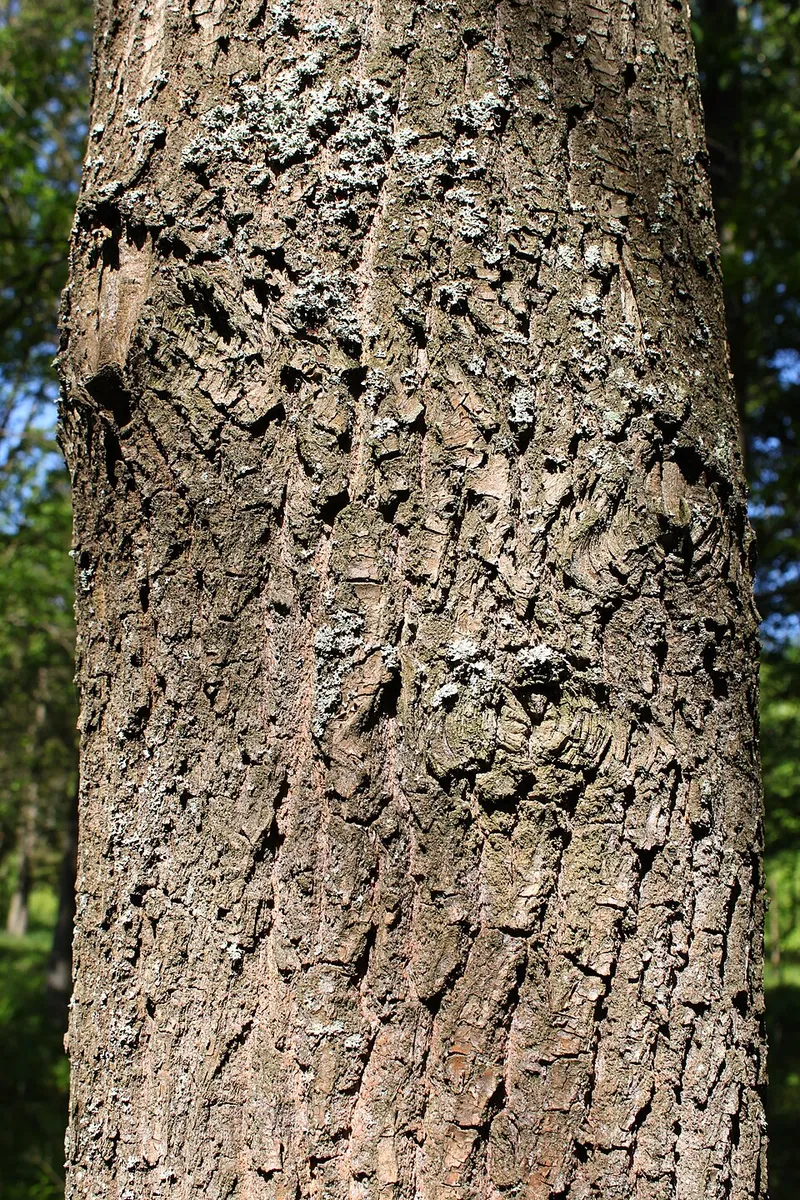
About Scarlet Oak
Scarlet Oak (Quercus coccinea)
Full sun, medium to dry moisture, prefers sandy soil but grows in shallow infertile soils over sandstone or limestone and in coarse sandy loam to heavy clay; requires acidic pH of 4.5-6.5.
50-75 feet tall by 40-50 feet wide; blooms in spring with yellow-green male catkins 76-102 mm long and inconspicuous female spikes; light tan-brown acorns 1.3-2.5 cm long with a deep cup covering half or more of the nut, requiring two growing seasons to mature. Growth rate medium to fast, 45-60 cm per year.
Germination Code A; acorns lose viability rapidly, plant fresh immediately or stratify promptly; deep taproot precludes moving seedlings beyond 1-2 years in containers.
Native region: Statewide in Tennessee on upland ridges and mixed forests; present on acidic sandstone and chert outcrops throughout Middle Tennessee.
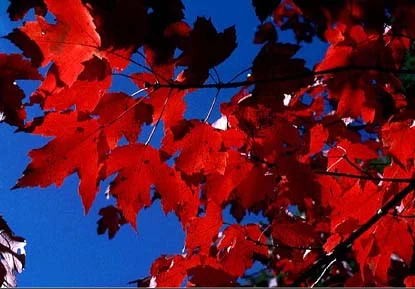
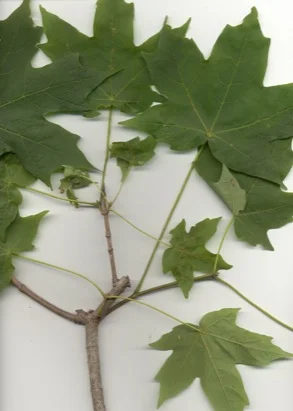
Quercus coccinea earns its common name: fall color is consistently brilliant scarlet-crimson, deeper and more reliable than most red-group oaks in Tennessee's Zone 6b/7a. Deeply lobed leaves with seven to nine sinuses cut nearly to the midrib, and the leaf undersides retain conspicuous tufts of axillary hairs, a useful field separation from similar species. Like all Tennessee oaks, this species is susceptible to the full oak disease spectrum described in UT Extension shade tree publications, including oak wilt, leaf blister, cankers, and powdery mildew; bacterial leaf scorch (Xylella fastidiosa) causes progressive branch dieback and has been documented in landscape oaks across the state. Susceptibility to iron chlorosis on high-pH soils limits use in Maury County sites over Lebanon limestone without soil amendment.
Quick Facts
- Common Name
- Scarlet Oak
- Scientific Name
- Quercus coccinea
- Plant Type
- Tree
- Region
- Middle Tennessee