About Walnut Twig Beetle
Walnut Twig Beetle (Pityophthorus juglandis)
Identification: Adults are extremely small, 1.5-2 mm, brown, cylindrical bark beetles in the subfamily Scolytinae. The beetle itself is rarely observed directly; it is identified by its association with thousand cankers disease, the result of repeated beetle attacks combined with the canker-forming fungus Geosmithia morbida, which the beetle vectors. Walnut (Juglans spp.) and butternut (J. cinerea) are the sole hosts. Entrance holes are barely visible without magnification, but coalescing dark cankers beneath bark on branches and the main trunk are diagnostic.
Life cycle: Multiple generations per year (2-3 in warmer regions). Adults are active from spring through fall. Females bore into twigs and small branches of walnut, constructing small egg galleries in the inner bark. The fungus is inoculated during boring, producing discrete cankers that enlarge with each successive attack. As attack density increases on larger branches and eventually the trunk, cankers coalesce and girdle vascular tissue, causing progressive dieback.
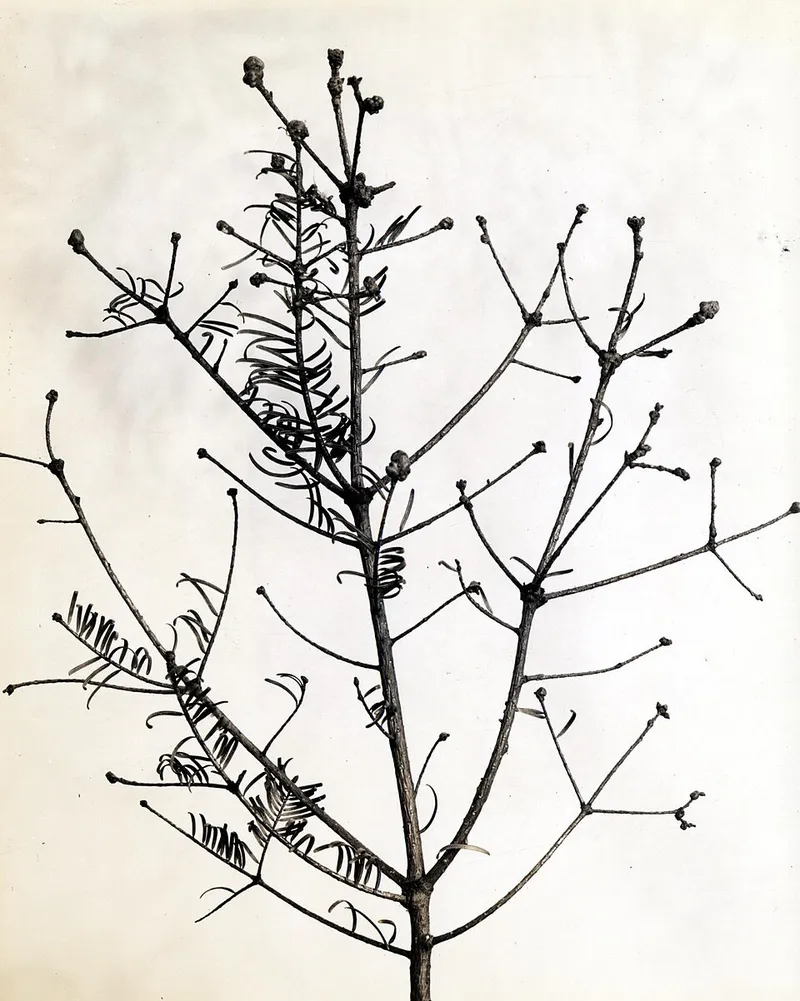
Damage signs: Scattered, individual twig dieback in the upper crown during early infestation, progressing to major scaffold branch death and trunk girdling in heavily attacked trees. Coalescing black cankers with sunken, discolored bark visible when outer bark is removed. Trees may decline over 3-5 years before dying. Black walnut (J. nigra), common in Middle Tennessee as a native understory and specimen tree, is susceptible. Disease and beetle are established in Tennessee.
Treatment window: No effective chemical treatment for active thousand cankers disease. Prevention focuses on not importing walnut wood or nursery stock from infested states.
UT-recommended approach: Do not move walnut logs, lumber, or nursery stock from areas with confirmed thousand cankers disease. Monitor black walnut specimens in Middle Tennessee for progressive twig dieback beginning in the upper crown. Remove and chip infected material; do not leave slash on-site as a beetle breeding reservoir.
Quick Facts
- Common Name
- Walnut Twig Beetle
- Scientific Name
- Pityophthorus juglandis
- Category
- Landscape Pest
- Region
- Middle Tennessee