About Slugs
Slugs
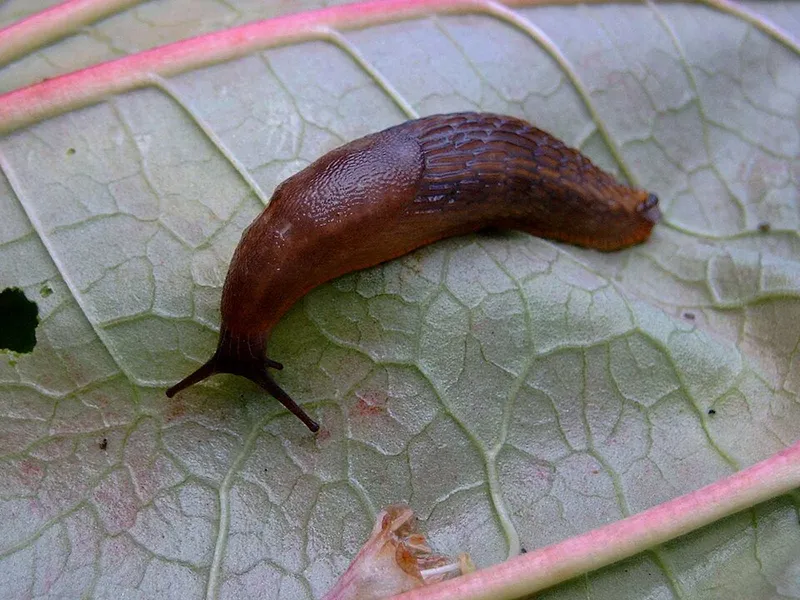
Identification: Slugs are shell-less terrestrial gastropod mollusks. The most common landscape pest species in Tennessee are the gray garden slug (Deroceras reticulatum) and the banded slug (Lehmannia valentiana). Adults range 25-75 mm extended, pale gray to brown, with a mucus trail that dries to a silvery sheen, the dried slime trail is the most reliable field sign. No shell distinguishes them from snails. Slugs are nocturnal and shelter under debris, boards, and dense mulch during daylight; populations are often underestimated because adults are rarely seen.
Life cycle: Two to three generations per year possible under Tennessee's climate. Eggs are oval, translucent, laid in clusters of 20-100 in moist soil beneath mulch, boards, or rocks. Hatch in 3-6 weeks; juveniles mature in 3-5 months. Active year-round during mild winters. Population peaks occur in spring and fall when temperatures are moderate and moisture is plentiful. The subtropical humidity in Middle Tennessee, including dew persisting 8-12 hours daily, provides near-ideal slug conditions from April through October.
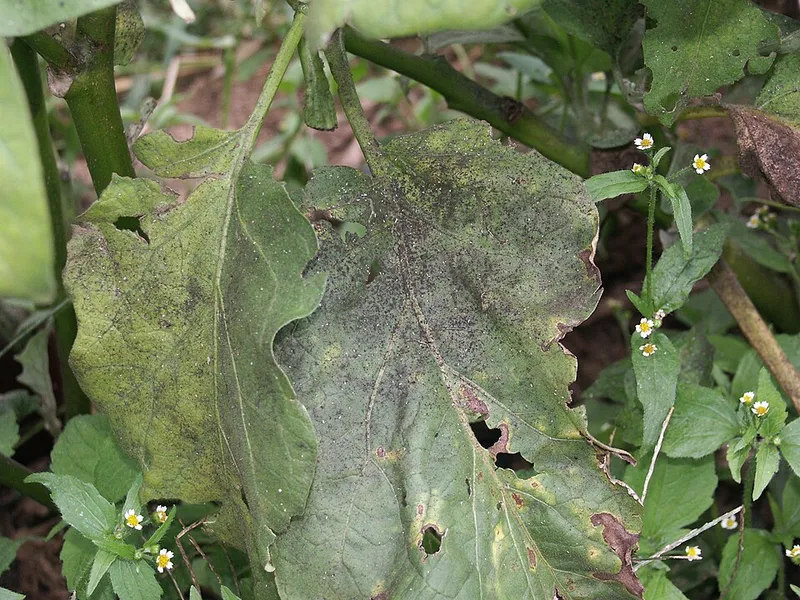
Damage signs: Irregular holes in leaves with smooth, chewed margins, typically progressing inward from leaf edges or appearing in the middle of leaves. No frass or insect evidence is present. Silvery dried slime trails on leaves, mulch, or hardscape surfaces in the morning. Hostas, impatiens, basil, and low-growing annuals are the most heavily damaged landscape plants. Thick mulch layers (more than 3 inches) in shaded, moist beds create ideal slug habitat and directly amplify population density.
Treatment window: April through October, with primary treatment windows in April-May and September-October at population peaks. Treat in the evening for maximum bait efficacy.
UT-recommended approach: Iron phosphate baits (e.g. Sluggo) applied in the evening are effective and low-risk to non-target organisms, including pets. Metaldehyde baits are more toxic; apply with care around pets and wildlife. Reduce mulch depth to 2 inches in slug-prone beds. Remove boards, stones, and debris that provide daytime refuge. Copper tape barriers are effective on raised beds and container plantings.
Quick Facts
- Common Name
- Slugs
- Scientific Name
- N/A
- Category
- Landscape Pest
- Region
- Middle Tennessee