About Serpentine Leaf Miner
Serpentine Leaf Miner (Liriomyza trifolii)
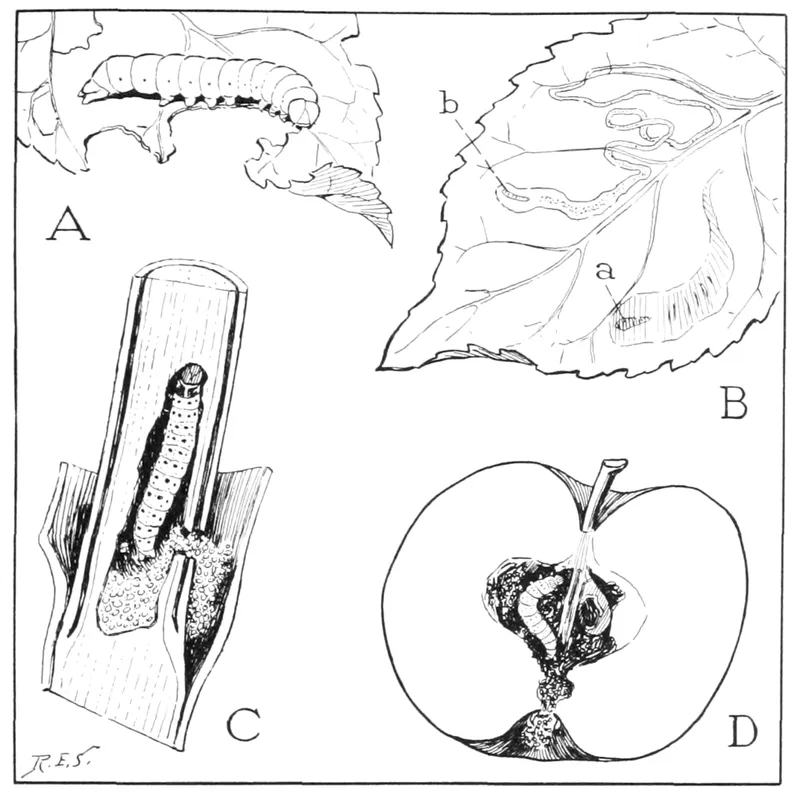
Identification: Adults are small agromyzid flies, 1.3-2.3 mm, black and yellow, with a distinctive yellow scutellum. The characteristic field sign is the serpentine (winding, irregular) pale mine on the upper leaf surface, created by the larva feeding between the leaf surfaces, the mine begins narrow and widens as the larva grows, tracing a tortuous, irregular path that doubles back on itself. Exit holes in the leaf surface, 0.5 mm, left by pupating larvae are a secondary sign. Highly polyphagous; ornamental hosts in Tennessee include chrysanthemum, gypsophila, verbena, salvia, and many other annuals. A significant nursery and greenhouse pest that enters landscapes on transplants.
Life cycle: Multiple generations per year, 10 or more in greenhouse conditions, 5-7 in outdoor Tennessee landscapes from May through October. Eggs are inserted into leaf tissue by the female ovipositor; larvae mine within the leaf for 6-10 days before dropping to the soil to pupate. The pupal period is 7-14 days. High reproductive rate combined with documented resistance to multiple insecticide classes makes population management challenging.
Damage signs: Conspicuous, winding pale trails (mines) on upper leaf surfaces, highly visible on chrysanthemum, verbena, and salvia. Mines cause aesthetic damage on ornamentals out of proportion to actual plant stress, as each mine represents one larva. Very high mine densities on small annual plants can cause leaf drop and defoliation. Yellow stipples (oviposition and feeding punctures) on leaf surfaces from adult females are an early sign preceding visible mines. Heavy infestations on annual beds in July-August are primarily established from infested nursery transplants.
Treatment window: At first mine appearance in May-June on new transplants. Treat before populations build across multiple host plants in the bed.
UT-recommended approach: Inspect transplants for mines before installation, a single infested flat can seed an entire bed. Cyromazine and abamectin are the most effective registered materials against leaf miners, including resistant populations. Spinosad provides moderate control. Avoid pyrethroids and organophosphates · L. trifolii has well-documented resistance to both classes in greenhouse-origin populations. Remove and dispose of heavily mined plant material to reduce the soil pupal population.
Quick Facts
- Common Name
- Serpentine Leaf Miner
- Scientific Name
- Liriomyza trifolii
- Category
- Landscape Pest
- Region
- Middle Tennessee